


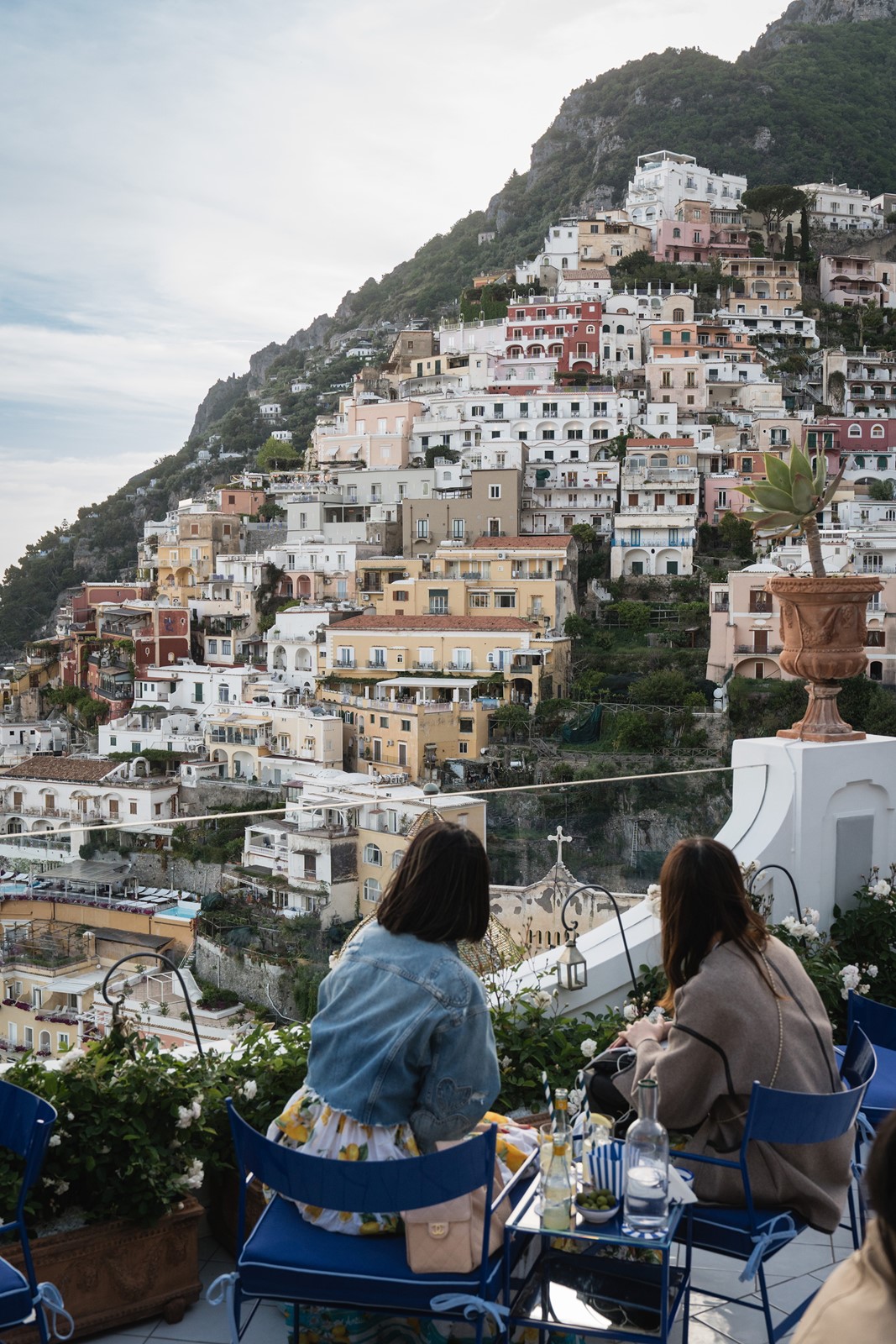


On a cerulean sea, fishing boats bob under villages suspended like cliffside birds’ nests. Huge lemons hang from ancient groves, and barefoot-chic restaurants grill just-caught fish.
There are blue and gold Byzantine domed churches, and nearby, some of the world’s most important archaeological complexes. Sounds like a heavenly idyll? It is. The problem is that much of the world thinks this part of the Italian coast is, too, and the congestion is increasingly horrible on the roads of the 30-mile region in summer. Luckily, May and early June are less trafficked in every sense, so one can more easily plan excursions by sea or by land. With trails and coastal routes that draw only a fraction of the high season’s crowds, the land of sirens becomes particularly seductive this time of year.
Here’s your itinerary for a long weekend.
Friday
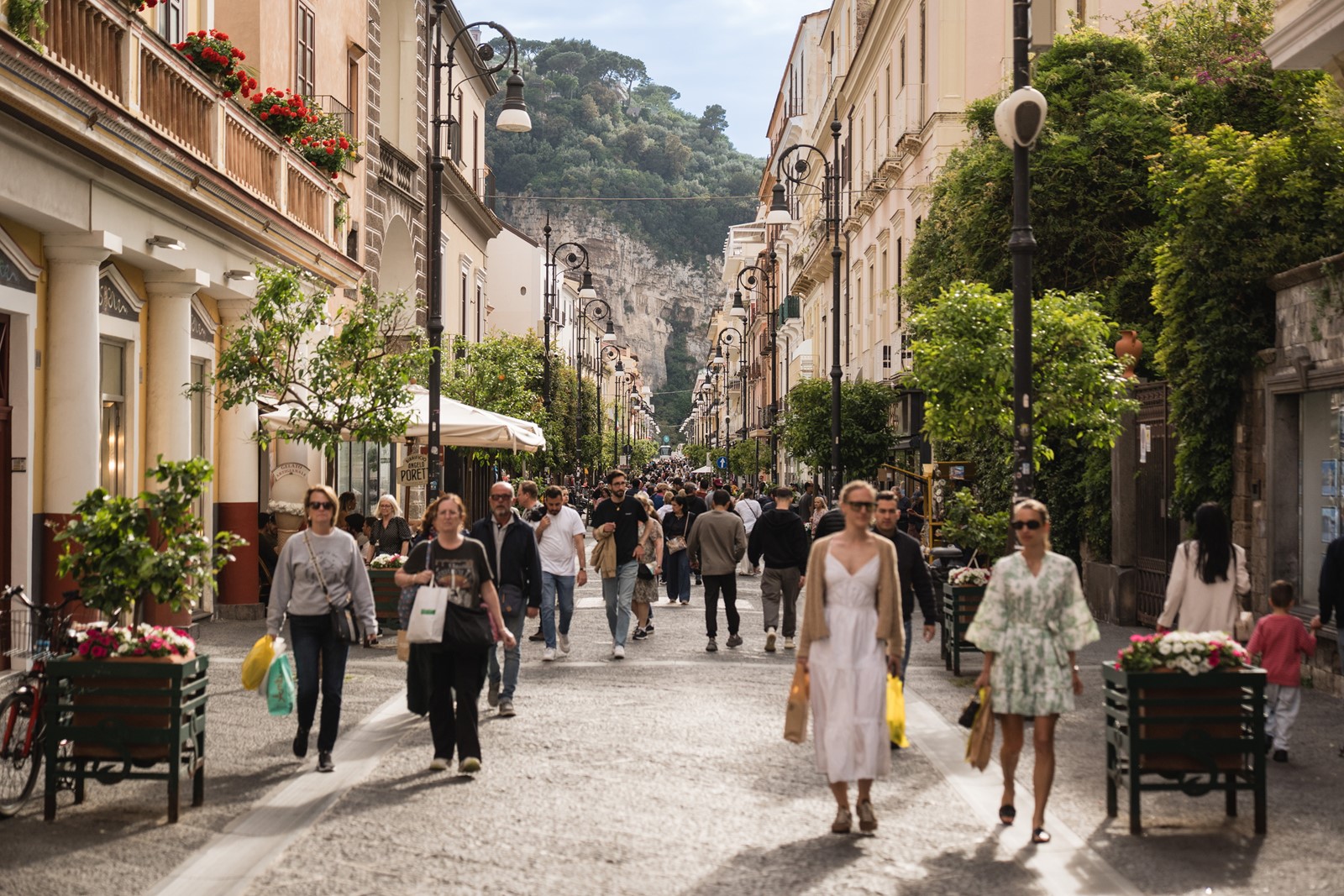
Start your own grand tour, 5 p.m.: Some visitors to the region bypass Sorrento, which is only about an hour southwest of Pompeii, and whiz farther along the Amalfi coast. It’s their loss. Take a passeggiata (stroll) on the Corso Italia, the city’s main thoroughfare, followed by a sunset aperitivo on the terrace of La Minervetta hotel (open to nonguests) as your prize. Try its signature concoction with Sorrento lemon, sea salt, gin, rosemary and blue chamomile (30 euros, or about $35, with free local snacks; call for a reservation).
Eat the region’s best produce, 8:30 p.m.: While there are several Michelin-starred options in and around the Sorrento, worth a look is the exciting arrival Ndre, run by local chef Andrea Napolitano. Standouts include mackerel with a sauce made from peaches grown on the slopes of Sicily’s Mount Etna (30 euros), and fresh egg ravioli, stuffed with creamy ricotta and Agerola provola, a Campanian cheese (28 euros). Meanwhile at Pizzeria da Franco, the line of regulars is a tipoff that this is the best spot for pizza in Sorrento. The pizzas (from about 10 euros) are done in the style of Vico Equense, a nearby town, which is a long pie with an extra crispy crust.
Saturday
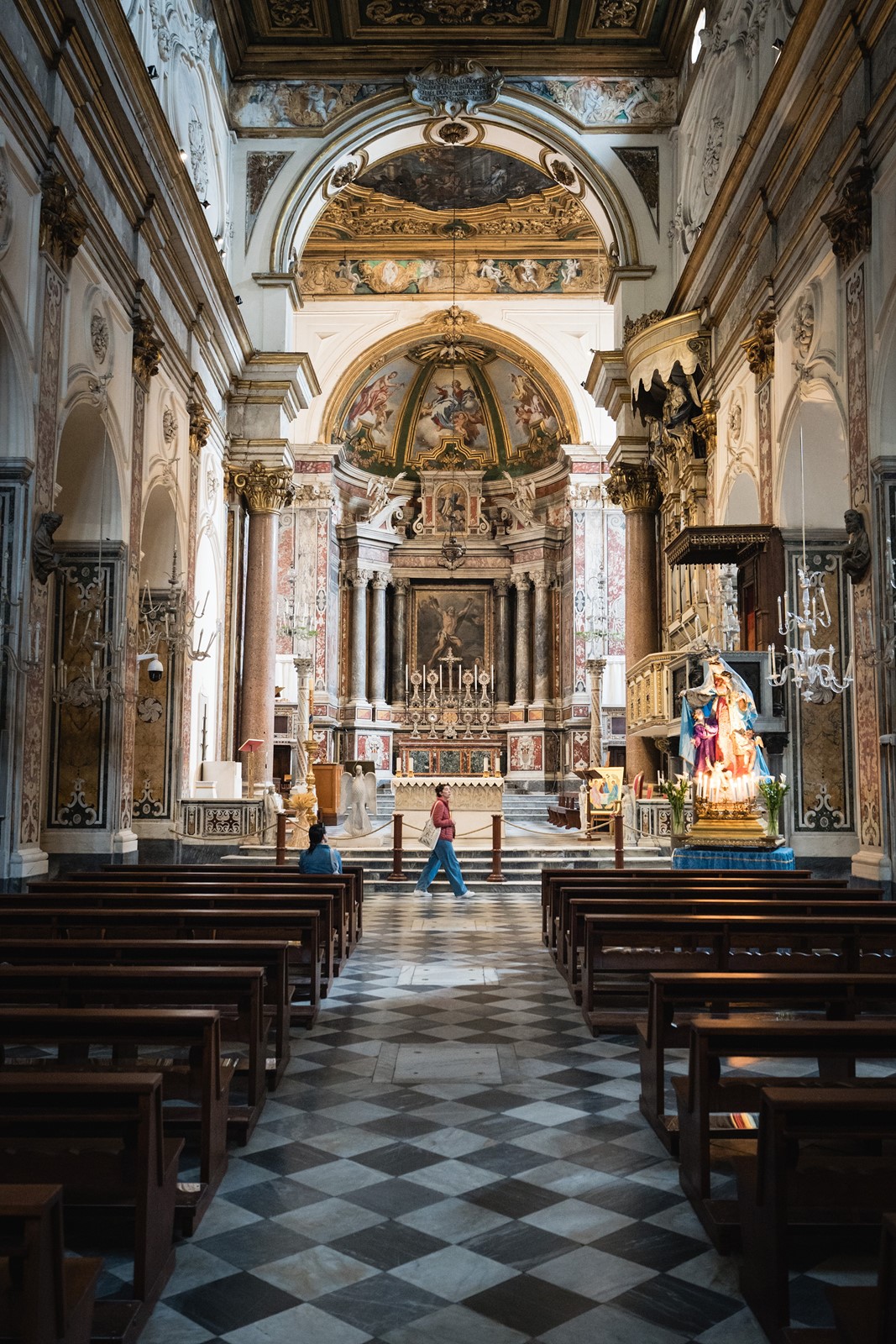
Take a stairway to heaven, 9 a.m.: To get from Sorrento to Amalfi, the best, and most picturesque, way is by ferry (about an hour and a half, depending on stops, about 25 euros). Close to Amalfi’s harbor, its cathedral, called Cattedrale di Sant’Andrea but known more popularly as the Duomo di Amalfi, dates to 987 but has been renovated several times over the centuries (entry 3 euros). The Romanesque and Byzantine elements illustrate how the port town was connected to other maritime powers during its heyday. According to legend, if you go up the stairs (62 in total) hand in hand with the person you love you won’t end up marrying them. After checking out the sacred site, return to the earthly realm with a cappuccino and cornetto at the beloved Pasticceria Pansa, a cafe and bar beside the cathedral (12 euros at a table, 4 euros if you are standing at the bar).
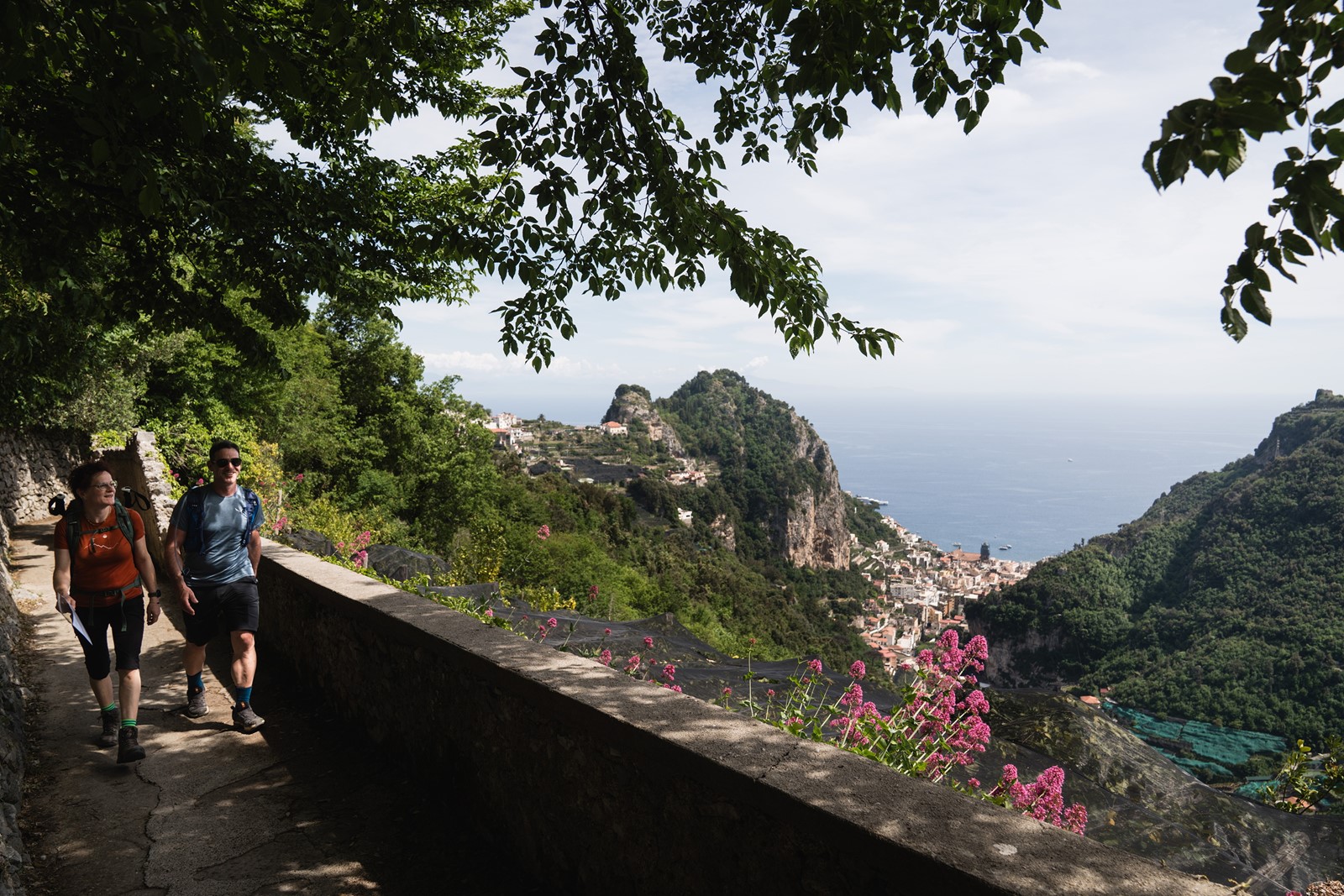
Hike a serene trail, 10 a.m.: Above Amalfi, the Path of the Gods, a hiking trail with olive trees, vineyards and lemon groves hanging over the Mediterranean, is busy in high season. But the quieter, more secluded, shaded and adjacent hike is the Valle delle Ferriere, which passes by the ruins of paper mills that used to be a prime source of income here. The full three-hour-or-so loop also leads into a nature reserve with stately poplars, and the picturesque medieval village of Pontone, but you can edit your route to a shorter distance. After your hike, check out Amalfi’s Museo della Carta, or the Paper Museum, in a 13th-century mill lovingly restored in 1971 with original wooden mauls and printing press on display (admission 3 euros).
Visit a seaside classic, 1 p.m.: Jackie Kennedy put La Tonnarella, a simple but charming beachside restaurant that its owners say she frequented, on the map during the time she was falling in love with the region. It’s worth the hundreds of steps down from the quiet fishing village of Conca dei Marini, about a 10-minute taxi ride from Amalfi’s harbor (about 24 euros to 29 euros; catch one from the stand). Dishes include tiny fried calamari and spaghetti with fresh lobster. Lunch for two, without wine, about 100 euros.
Go shopping, 5 p.m.: From Conca dei Marini, take the Sita Sud bus (about 25 minutes) to Positano, the epicenter of the Amalfi Coast’s shopping: Ceramiche Casola has been creating hand-painted plates and the like since 1925. The colorful plates cost about 80 euros each and the store can ship bigger items, like flowerpots, home. Bottega di Brunella kimonos and dresses in silk and linen are designed and made right in town (the organic linen pants cost 225 euros). Meanwhile at Safari Positano, handmade sandals (from 85 euros) come in almost every combination of style and color imaginable. After shopping, reward yourself with a cup from Buca di Bacco gelateria — try the Limone di Amalfi or strawberry (5 euros for two flavors).
Eat, swim and lounge, 7 p.m.: In a 1953 Harper’s Bazaar essay, John Steinbeck wrote of Positano as a small, remote fishing village with few visitors. Now the town has sadly become quite overrun, but Le Sunday
Take a boat ride, 10 a.m.: While the ferry service here is useful and dependable, it’s definitely worth the splurge to have your own vessel for at least half a day. Positano’s Lucibello offers excursions with a captain along the coast (from 650 euros for 3 1/2 hours, depending on the size of the boat and how many passengers). The view from the sea gives a different perspective, looking up at towering rock cliffs and little towns tucked into the curves of the landscape. It also provides the perfect opportunity for a dip in one of the coves. Among the favorites are Li Galli (the roosters), islands that are the purported home of the devastating sirens from Greek mythology; the Fjord of Crapolla (yes that’s the name), with Roman ruins on the beach; and Grotta dello Smeraldo. Boats will also drop you at seaside lunch spots. Some hotels have boat shuttles as well, but book well in advance to guarantee availability.
Lunch by the ocean, 2 p.m.: After your adventures along the coastline you’ll have worked up an appetite. Lo Scoglio da Tommaso, a family-owned legend since 1956 in Marina del Cantone, is on a wood deck built on top of a boulder. Deservedly beloved for its spaghetti with fresh sea urchin (38 euros), among other seafood dishes like frutti di mare with pasta or served alone, the restaurant also has excellent vegetables from the restaurant patriarch’s farm nearby. Meanwhile Da Adolfo, a fixture since the 1960s on the beach of Laurito by Positano, has a legendary zuppa alle cozze (mussel soup), 22 euros, and a spot to lounge and swim afterward. There is a complimentary boat shuttle to the restaurant from Positano’s port; look for the red sign with Da Adolfo written on it.
 PREVIOUS ARTICLE
