




Angelenos could soon see their sewer bills increase — starting with a 22% fee hike in October and increasing several more times over the next four years until their bills are more than twice what they’re paying today — if the Los Angeles City Council adopts a new rate schedule today.
The vote follows a public hearing the council held on Tuesday about the proposed rate increases.
Tuesday was also the deadline for property owners to submit a written “protest” to the city if they objected to the proposed rate increases.
Property owners should have received a notice in the mail previously informing them about the proposed increases, including a form to lodge their protest. Had more than half of property owners in the city filed protests, the rates wouldn’t be allowed to take effect. According to the city clerk, the city would have needed to receive 393,157 valid written protests but only received 7,864 of them.
San Fernando Valley resident Lionel Mares had encouraged Angelenos to provide public comment on Tuesday. Although the Sun Valley resident serves on the Neighborhood Council Budget Advocates, an advisory body that makes recommendations to the mayor and City Council on budgetary matters and solicits stakeholder input on city services, Mares was speaking only for himself and not on behalf of the Budget Advocates when he provided comments to the Los Angeles Daily News.
Mares said he attended the first of two informational webinars about the proposed rate increases that the city hosted over the summer. But he’s concerned many Angelenos may still have no idea about the proposal, especially with many people out of town during the summer.
“I think that most Angelenos might not be well informed. Some of them might have accidentally thrown out the protest forms, and I don’t think many Angelenos were aware of the webinars,” he said, adding that he’s concerned the process is being rushed.
Earlier this year, the city’s sanitation bureau proposed increasing sewer service charge rates seven times between October 2024 and July 2028, with the first increase amounting to a 22% fee hike. This would be followed by a series of smaller increases until the rates are slightly more than double what ratepayers pay today.
That would mean a typical single-family household — which currently pays $75.40 every two months on average — can expect a charge of roughly $92.04 starting this October. By July 2028, that same household would pay $155.48 bi-monthly.
Eligible low-income households who qualify for discounts would see their bills go from about $55.20 every two months to $67.48 this October and increasing to $113.85 by July 2028, based on the typical household.
Rates are based on a percentage of the amount of water used.
City Councilmember Katy Yaroslavsky, who chairs the Energy and Environment Committee, previously said the city stopped raising the sewer service charge rates when the pandemic hit. After several years of no increases, it’s time to resume the rate hikes, she said, citing the need to update aging infrastructure and to repay bond obligations.
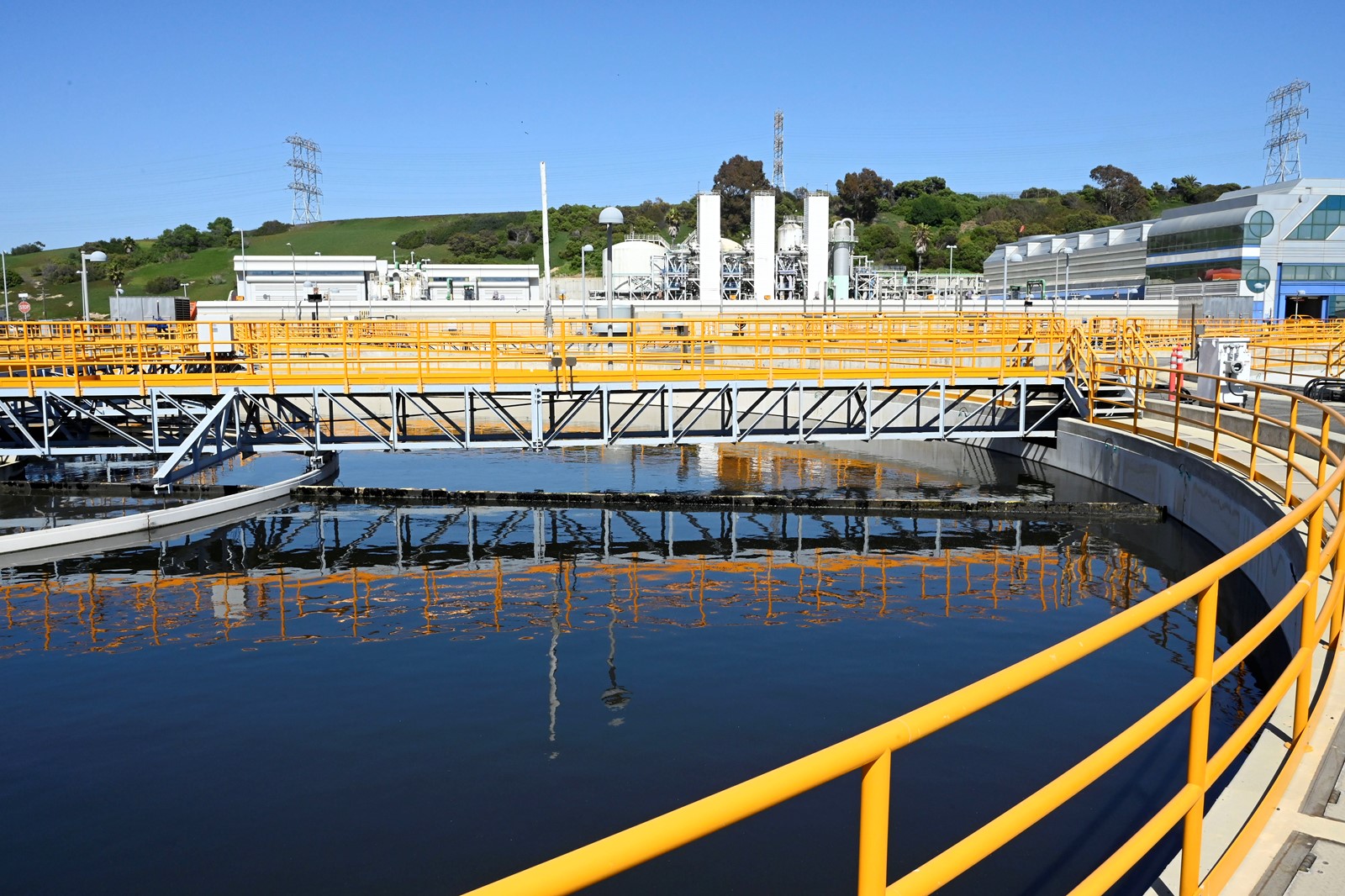
Barbara Romero, general manager of L.A. Sanitation and Environment, noted in a report to city councilmembers that nearly a third of the city’s pipes are more than 90 years old. She said treatment plants have an expected life cycle of 30 to 50 years and that the Hyperion Water Reclamation Plant’s last major overhaul was nearly four decades ago.
Romero told the City Council in May that the sanitation bureau has been using reserve funds the last four years. Its last sewer rate increase was in 2020, and over the next five years, it anticipates spending more than $3 billion on capital projects.
“We need to ensure that we protect the health and the environment of our sewer system in our neighborhoods,” Romero said in May.
“It is our legal and our regulatory obligation to ensure that the city’s wastewater system is maintaining good working condition,” she added.
Last week, the U.S. Attorney’s Office announced that the city of L.A. agreed to pay $20.8 million to fix issues at the Hyperion plant. In July 2021, L.A.’s oldest and largest wastewater treatment facility had a near catastrophic sewage spill, discharging 12.5 million gallons of wastewater into Santa Monica Bay. That led to a series of investigations and mitigation measures, including a criminal investigation by the U.S. Attorney’s office, while residents of neighboring El Segundo were exposed to a putrid stench for years.
Mares, the Sun Valley resident, said he supports the idea of infrastructure upgrades. But he’s worried about the impact of the proposed rate hikes on low-income residents and suggested the city consider having ratepayers in more affluent neighborhoods absorb more of the rate increases.
“I cannot afford to pay the huge increase over time,” Mares said. “But I do understand the importance of upgrading the aging infrastructure. I understand the city as a whole needs to make repairs and upgrades.”
Glenn Bailey, who co-chairs the Neighborhood Council Budget Advocates but was speaking for himself only, also expressed mixed feelings about the proposed rate hikes.
He said he recognized the importance of upgrades because ignoring aging infrastructure could result in the city paying more in the long run to repair old pipes or to pay fines related to sewage spills.
That said, he’s not thrilled with the proposed rate increases.
“Even though I recognize there’s catch-up to do,” he said, referring to the past few years when there were no rate hikes, “I just wished that the increases would be more modest in terms of impact on ratepayers.”
 PREVIOUS ARTICLE
