


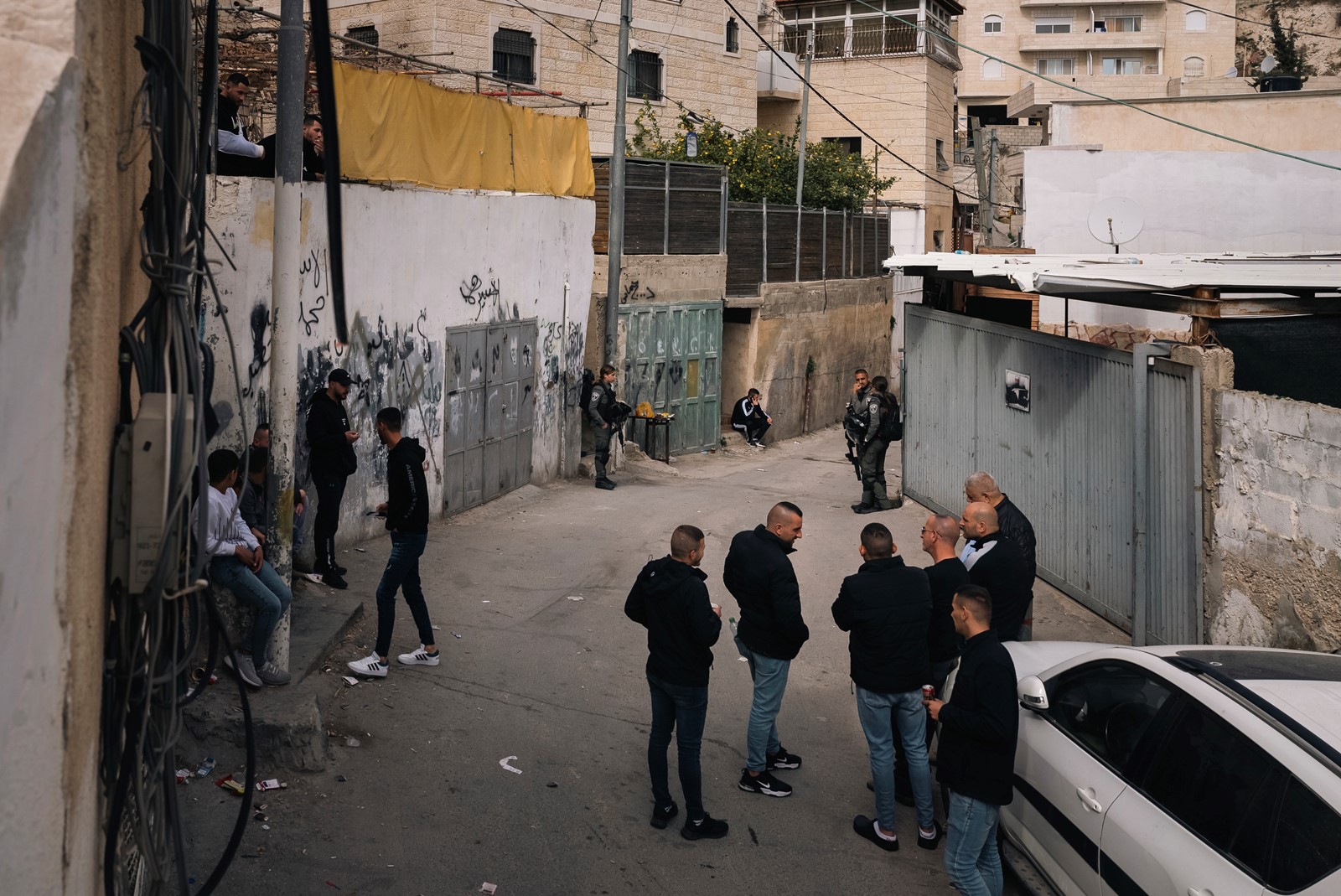


JERUSALEM >> On Saturday night, Israel’s new, far-right minister of national security, Itamar Ben-Gvir, called for the immediate sealing of the family home of a Palestinian gunman who, a day earlier, had killed seven people in east Jerusalem before being shot dead by police.
Within hours of Ben-Gvir’s comments, security forces arrived early Sunday morning at the family home of the gunman, according to Daniel Shenhar, a human rights lawyer. They woke up the residents, gave them an hour to gather some possessions before evicting them, then blocked the doors and windows — usually a prelude to demolishing a Palestinian home.
The Israeli military said it had issued a required warrant before the sealing, as is customary in such cases. But Shenhar said none of the inhabitants had seen it before the security forces moved in: The gunman’s parents were in Israeli detention at the time and were only released, without charges, after the house had been sealed.
Israel defends such home demolitions as a deterrent meant to prevent future attacks and the new government, the most right-wing in Israel’s history, is pursuing the policy more aggressively after a surge of violence in recent days. Shenhar said that 75 houses have been completely or partly demolished since 2014.
The government said it would also seal the home of a 13-year-old Palestinian accused of injuring two people in another shooting in east Jerusalem — although in the past, that measure has been typically reserved for the perpetrators of fatal attacks.
Israel’s decadesold practice of sealing and demolishing the family homes of assailants accused of carrying out deadly attacks on its citizens has long drawn criticism from human rights groups. Critics also question its effectiveness.
But the new government announced it was accelerating the policy, a change reflected in its recent actions.
At least 35 Palestinians have been killed by Israeli fire so far this year, according to the Palestinian Ministry of Health — 10 of them, including a 61-year-old woman, in a gunfight last Thursday during an army raid in Jenin in the occupied West Bank. A day after that raid, Khairy al-Qam, 21, killed seven people, including a 14-year-old boy, outside a synagogue in Neve Yaakov, a mostly Jewish area; it was his family’s home that was sealed with unusual haste.
“It was clear it was done under pressure from the politicians,” said Shenhar, the head of the legal department of HaMoked, an Israeli human rights organization that has represented dozens of Palestinian families of assailants in mostly unsuccessful appeals against home demolitions in Israel’s Supreme Court.
“They didn’t give the family any chance to appeal” by acting before they had seen a warrant, he added, though they might still appeal after the fact.
 PREVIOUS ARTICLE
