


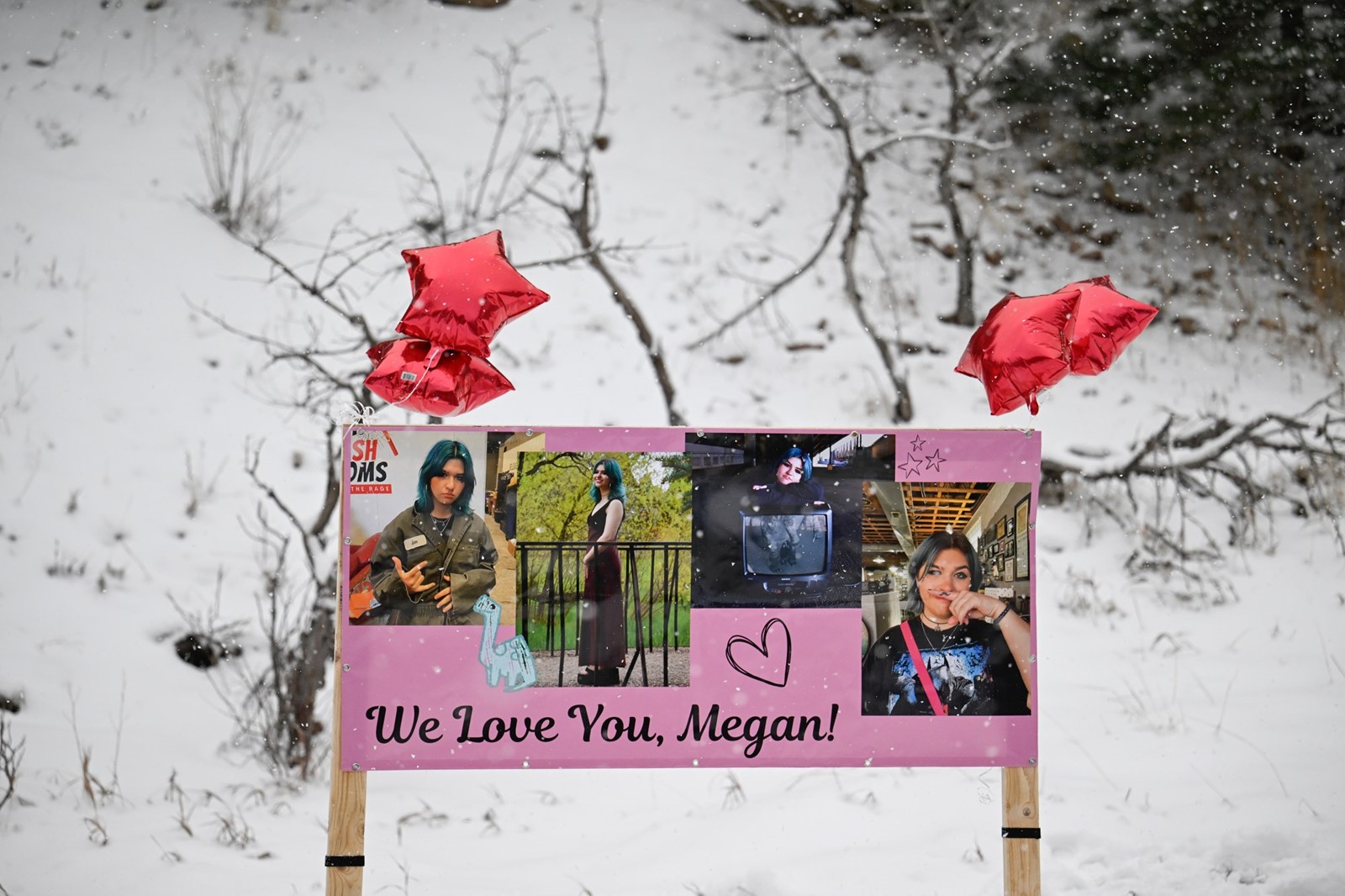


A bill aimed at making colleges and universities across the state respond faster to reports of missing students in the wake of University of Colorado Boulder student Megan Trussell’s death last year will get a full vote in the Colorado House of Representatives after a subcommittee overwhelmingly supported it.
State Sen. Janice Marchman says if made law, Senate Bill 120 could save lives and improve accountability.
When the University of Colorado Boulder first responded to a report that Trussell was missing, the school didn’t do the best it could, Marchman said, and the guidelines in SB-120 could prevent that.
The bill was unanimously passed by the State Senate on March 16. After a brief discussion of the bill in the House’s State, Civic, Military, & Veterans Affairs subcommittee on Thursday, it voted 9-1 to send the bill to the full House chamber, where Marchman is confident it will pass.
“What I heard (from students) was that when kids go missing, they expect, and their families expect, that they will be looked for,” the Loveland Democrat said in an interview with the Daily Camera in her office in the state Capitol. “Everyone was incredibly shocked to find out that colleges wait for 24 hours.”
Under federal law, colleges and universities wait 24 hours after a student goes missing to report them to police, unless there are any serious or concerning factors at play.
If made law, SB-120 would make universities such as CU Boulder respond to missing persons’ reports the way police departments do for adults who aren’t students, said Marchman, whose 15th District covers much of Larimer and Boulder counties.
Under state law, police departments get eight hours to report a missing adult to the Colorado Bureau of Investigation once they are first reported to the department. With this bill, colleges and universities would have six hours to either conduct a wellness assessment or immediately notify police, based on how serious a situation is, Marchman said.
Those wellness assessment protocols would have to be published by each institution of higher education in the state, whether public or private, the bill states. But, they must include an attempt to contact the student, knocking on the student’s residence hall door and contacting professors, staff and friends of the student.
The bill also calls for prospective police officers to be trained on the different missing persons alerts Colorado has at its disposal, the bill says.
When asked about the bill’s effect on students who are just trying to go offline for a day, or fell out with their parents, who then report the student missing, Marchman said she isn’t worried. The wellness checks should prevent most undue police responses, she said, and any that slip through the cracks are just the cost of doing business.
“I’m not as worried about overstressing and over-resourcing and doing too much,” Marchman said. “Because when it mattered, we didn’t do enough.”
Trussell, 18, was found dead on Feb. 15, 2025, near the 40-mile marker of Boulder Canyon Drive. The Boulder County Coroner twice determined her death was a result of the toxic effects of amphetamine and exposure to a cold environment, or hypothermia, and ruled the manner of her death as suicide.
Marchman acknowledged that part of her drive to pass this bill was the fear that the way CU Boulder responded to Trussell’s disappearance could have happened to her own daughter.
Marchman’s daughter lived in the residence hall dorm next to Trussell’s at the time, Marchman said. When Trussell went missing and officials didn’t respond the way Marchman would have liked, it did “erupt a mama bear kind of response,” she said, which helped inspire her to pursue new legislation.
About a year after Trussell was found dead, Marchman introduced SB-120.
She says university police departments shouldn’t be overburdened with work under this bill, either. CBI could respond to swatting calls, such as the fake bomb threat at CU Boulder last fall, she said.
Plus, this bill simply aims to make schools act more like other police departments, not add more work than usual, Marchman said.
“Why is it that if I would have gone to the Boulder Police Department and reported Megan missing, versus to CU, I would have had someone looking for her 24 hours earlier?” Marchman said.
CU Boulder officials have long maintained that the school responded properly to Trussell’s disappearance.
The university has “robust, established processes for information sharing” between the school and police, according to spokesperson Nicole Cousins. CU Boulder reported Trussell missing to CBI just 35 minutes after her mother told the school on Feb. 12, 2025, that she hadn’t heard from Trussell in three days.
Within 50 minutes, CUPD was investigating Trussell’s disappearance, Cousins said. Later that evening, CUPD issued a “be on the lookout,” or BOLO, alert to police regarding her disappearance.
Two days later, CBI issued a Missing Indigenous Person Alert, which the bureau only sends when law enforcement asks them to, and only when the missing person is Indigenous — information CU Boulder did not have when CUPD started its investigation.
During the State, Civic, Military, & Veterans Affairs subcommittee hearing, bill sponsors Rep. Yara Zokaie (D-Larimer County) and Rep. Brandi Bradley (R-Douglas County) reiterated the same talking points Marchman told the Senate Judiciary Committee: CU Boulder could’ve worked faster to search for Trussell and immediate action is necessary.
During the judiciary committee hearing, CU Vice Chancellor for Student Life D’Andra Mull had said that a six-hour timeline could overburden students just trying to be offline for the day, and CUPD with work on cases that might not need it.
Unlike in the Senate subcommittee hearing, the sponsors brought institutional support, with Katelyn Jenkin, the Colorado Bureau of Investigation’s AMBER Alert coordinator, who shared CBI’s support of more training on missing persons’ alerts.
“Not only does knowledge of the alert program improve safety and possibly assist in the initial response to missing person cases … it builds consistency and encourages accountability in how they are investigated,” Jenkin said.
CBI’s support for SB-120, alongside Trussell’s mother, Vanessa Diaz, who said her experience with CU Boulder after Trussell went missing was terrible, proved persuasive for the committee, which passed it with only one member voting against it.
Rep. Stephanie Luck, of the 60th District, voted against the bill. Rep. Meg Froelich, of the Third District, was not in attendance and therefore did not cast a vote for or against the bill.
 PREVIOUS ARTICLE
