




WASHINGTON >> Joe Biden, in one of his final acts as president, pardoned Dr. Anthony Fauci, retired Gen. Mark Milley and members of the House committee that investigated the Jan. 6 attack on the Capitol, in an extraordinary use of executive power to guard against potential “revenge” by the new Trump administration.
The decision by Biden came after now-President Donald Trump had warned of an enemies list filled with those who have crossed him politically or sought to hold him accountable for his attempt to overturn his 2020 election loss and his role in the Capitol siege four years ago. Trump has selected Cabinet nominees who backed his election lies and who have pledged to punish those involved in efforts to investigate him.
“The issuance of these pardons should not be mistaken as an acknowledgment that any individual engaged in any wrongdoing, nor should acceptance be misconstrued as an admission of guilt for any offense,” Biden said in a statement. “Our nation owes these public servants a debt of gratitude for their tireless commitment to our country.”
The prospect of such pardons had been the subject of heated debate for months at the highest levels of the White House. It’s customary for a president to grant clemency at the end of his term, but those acts of mercy are usually offered to Americans who have been convicted of crimes.
Trump said after his inauguration that Biden had pardoned people who were “very very guilty of very bad crimes” — “political thugs,” Trump called them.
Biden, a Democrat, has used the power in the broadest and most untested way possible: to pardon those who have not even been investigated. His decision lays the groundwork for an even more expansive use of pardons by Trump, a Republican, and future presidents.
It’s unclear whether those pardoned by Biden would need to apply for the clemency. Acceptance could be seen as a tacit admission of guilt or wrongdoing, validating years of attacks by Trump and his supporters, even though those who were pardoned have not been formally accused of any crimes. The “full and unconditional” pardons for Fauci and Milley cover the period extending back to Jan. 1, 2014.
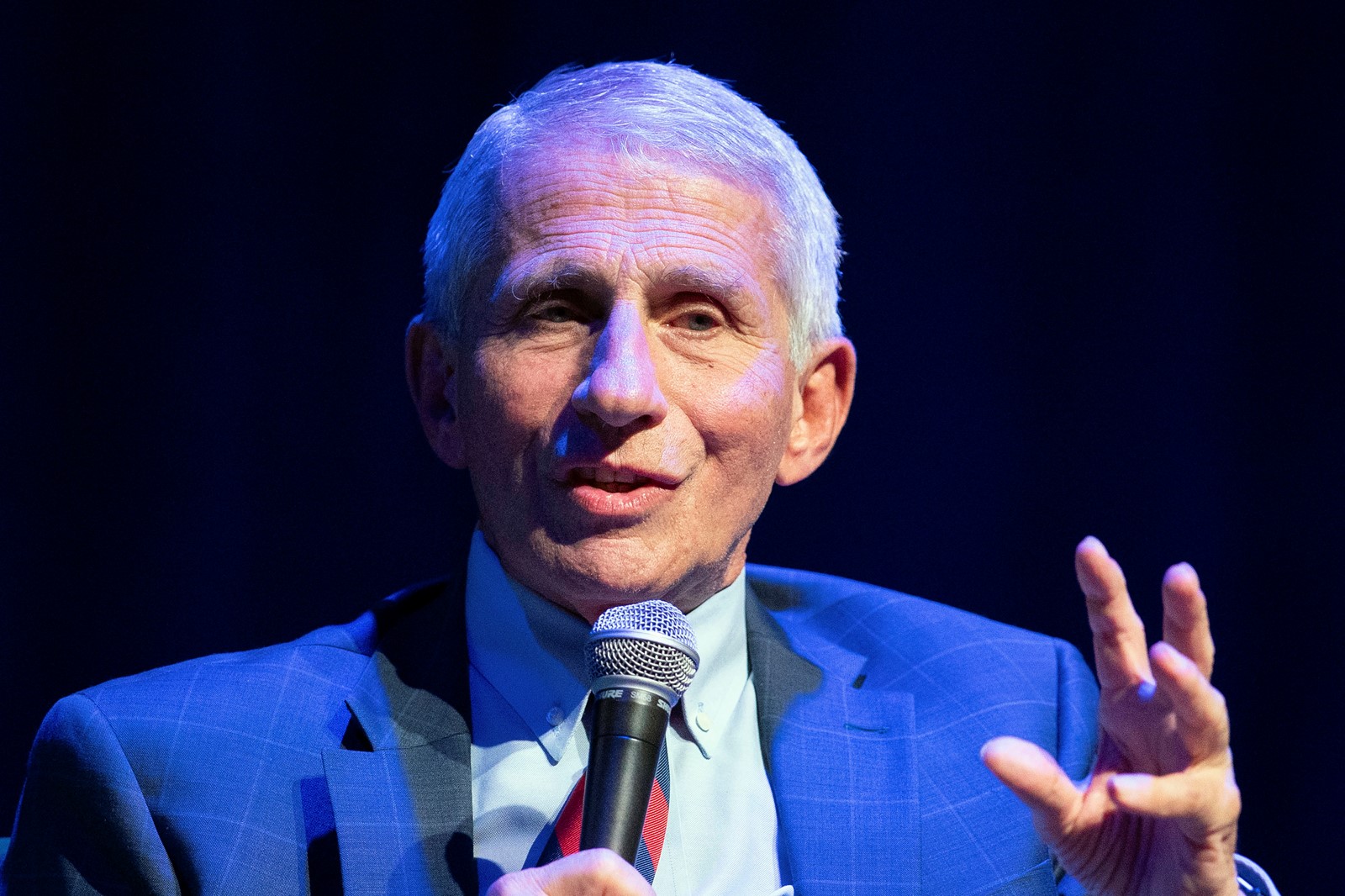
Fauci was director of the National Institute of Allergy and Infectious Diseases at the National Institutes of Health for nearly 40 years, including during Trump’s term in office, and later served as Biden’s chief medical adviser until his retirement in 2022. He helped coordinate the nation’s response to the COVID-19 pandemic and raised Trump’s ire when he resisted Trump’s untested public health notions. Fauci has since become a target of intense hatred and vitriol from people on the right, who blame him for mask mandates and other policies they believe infringed on their rights, even as hundreds of thousands of people were dying.
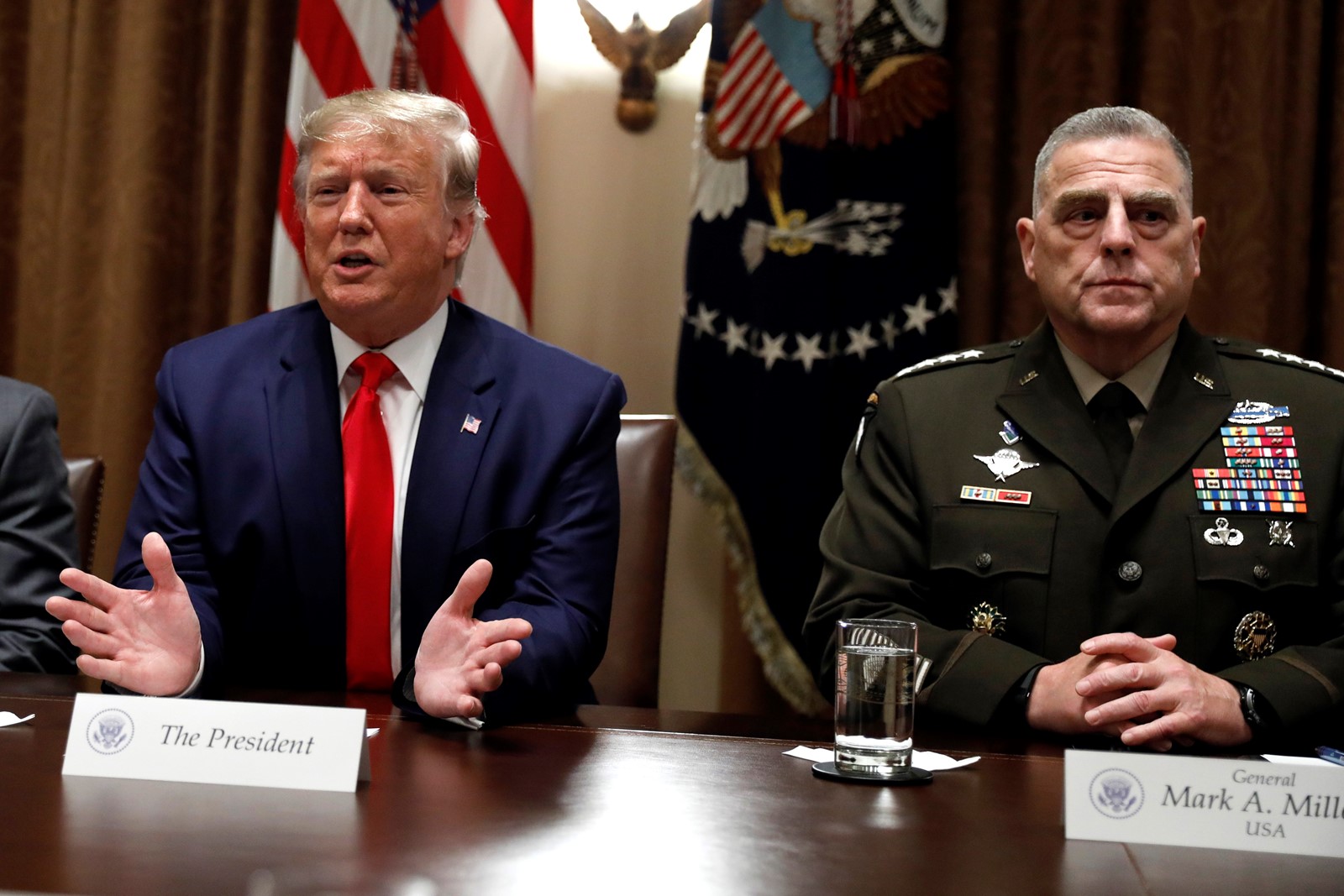
Milley, a former chairman of the Joint Chiefs of Staff, has called Trump a fascist and has detailed Trump’s conduct around the Jan. 6 insurrection. He said he was grateful to Biden for a pardon.
Biden also extended pardons to members and staff of the Jan. 6 committee that investigated the attack, as well as the U.S. Capitol and D.C. Metropolitan police officers who testified before the House committee about their experiences that day, overrun by an angry, violent mob of Trump supporters. It’s a “full and unconditional pardon,” for any offenses “which they may have committed or taken part in arising from or in any manner related to the activities or subject matter.”
The committee spent 18 months investigating Trump and the insurrection. It was led by Rep. Bennie Thompson, D-Miss., and then-Rep. Liz Cheney, a Wyoming Republican who later pledged to vote for Democratic presidential nominee Kamala Harris. The committee’s final report found that Trump criminally engaged in a “multi-part conspiracy” to overturn the lawful results of the 2020 presidential election and failed to act to stop his supporters from attacking the Capitol.
Biden’s statement did not list the dozens of members and staff by name. Some did not know they were to receive pardons until it happened, according to a person familiar with the matter who spoke to The Associated Press on the condition of anonymity.
Cheney and Thompson said in a statement on behalf of the committee that they were grateful for the decision, saying they were being pardoned “not for breaking the law but for upholding it.”
The extent of the legal protection offered by the pardons may not fully shield the lawmakers or their staff from other types of inquiries, particularly from Congress. Republicans on Capitol Hill would still likely have wide leverage to probe the committee’s actions, as the House GOP did in the last session of Congress, seeking testimony and other materials from those involved.
 PREVIOUS ARTICLE
