


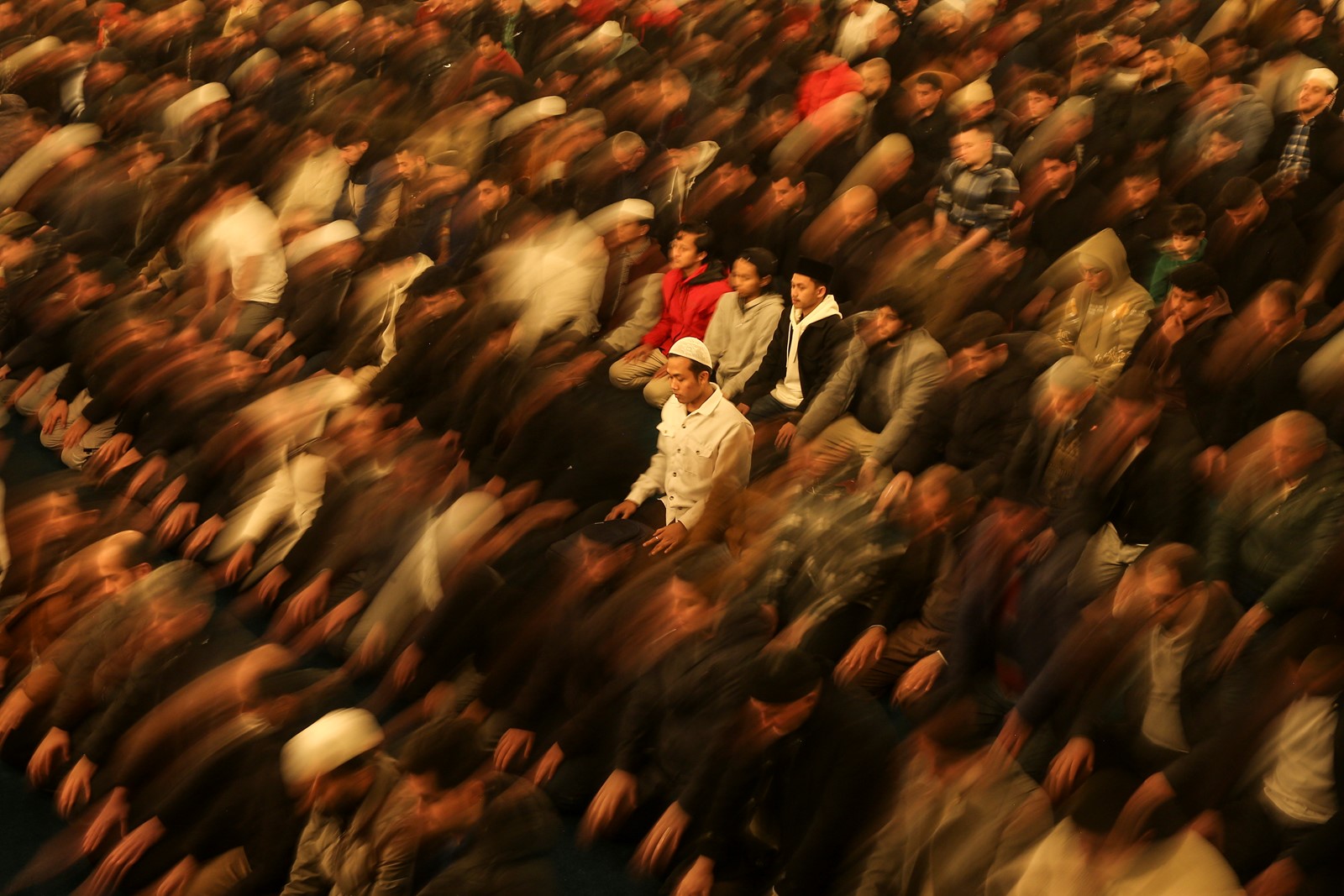


CAIRO >> Observant Muslims the world over will soon be united in a ritual of daily fasting from dawn to sunset as the Islamic holy month of Ramadan starts. For Muslims, it’s a time of increased worship, religious reflection, charity and good deeds. Socially, it often brings families and friends together in festive gatherings around meals to break their fast.
Ramadan is followed by the Islamic holiday of Eid al-Fitr.
Ramadan’s religious rituals and spiritual essence unite diverse Muslim communities. The plights of some fellow Muslims and some issues that have resonance beyond borders — including conflicts and political turmoil — can become part of the focus of the month’s prayers, giving or advocacy for many.
This year, Ramadan is approaching as the fragile ceasefire deal, which has paused over 15 months of war between Israel and Hamas, nears the end of its first phase.
Israel’s military offensive has killed over 48,000 Palestinians, according to Gaza’s Health Ministry, and destroyed vast areas of Gaza. The war was sparked by an Oct. 7, 2023 attack on Israel in which Hamas-led militants killed some 1,200 people and took about 250 hostages.
For some Muslims, Ramadan also comes amid changes in their countries. In the Middle East, for instance, this will be the first Ramadan for Syrians since the Syrian government fell in a stunning end to decades of the Assad family rule.
Ramadan is the ninth month of the Islamic lunar calendar; the month cycles through the seasons. The start of the month traditionally depends on the sighting of the crescent moon. This year, the first day is expected to be on or around March 1. The actual start date may vary among Muslim communities due to declarations by multiple Islamic authorities around the globe on whether the crescent has been sighted or different methodologies used to determine the start of the month.
Fasting is one of the Five Pillars of Islam, along with the profession of faith, prayer, almsgiving, and pilgrimage. Muslims see various meanings and lessons in observing the fast. It’s regarded as an act of worship to attain God-conscious piety and one of submission to God. The devout see benefits including practicing self-restraint, growing closer to God, cultivating gratitude and empathizing with people who are poor and hungry.
Muslims are ethnically and racially diverse and not all Ramadan traditions are rooted in religion. Some customs may transcend borders, while others can differ across cultures.
Many social rituals center on gathering and socializing after the daily fast. Some Muslims decorate their homes, put out Ramadan-themed tableware and centerpieces or throng to markets and Ramadan bazaars.
In Egypt, the Arab world’s most populous country, Ramadan is typically a festive time.
 PREVIOUS ARTICLE
