


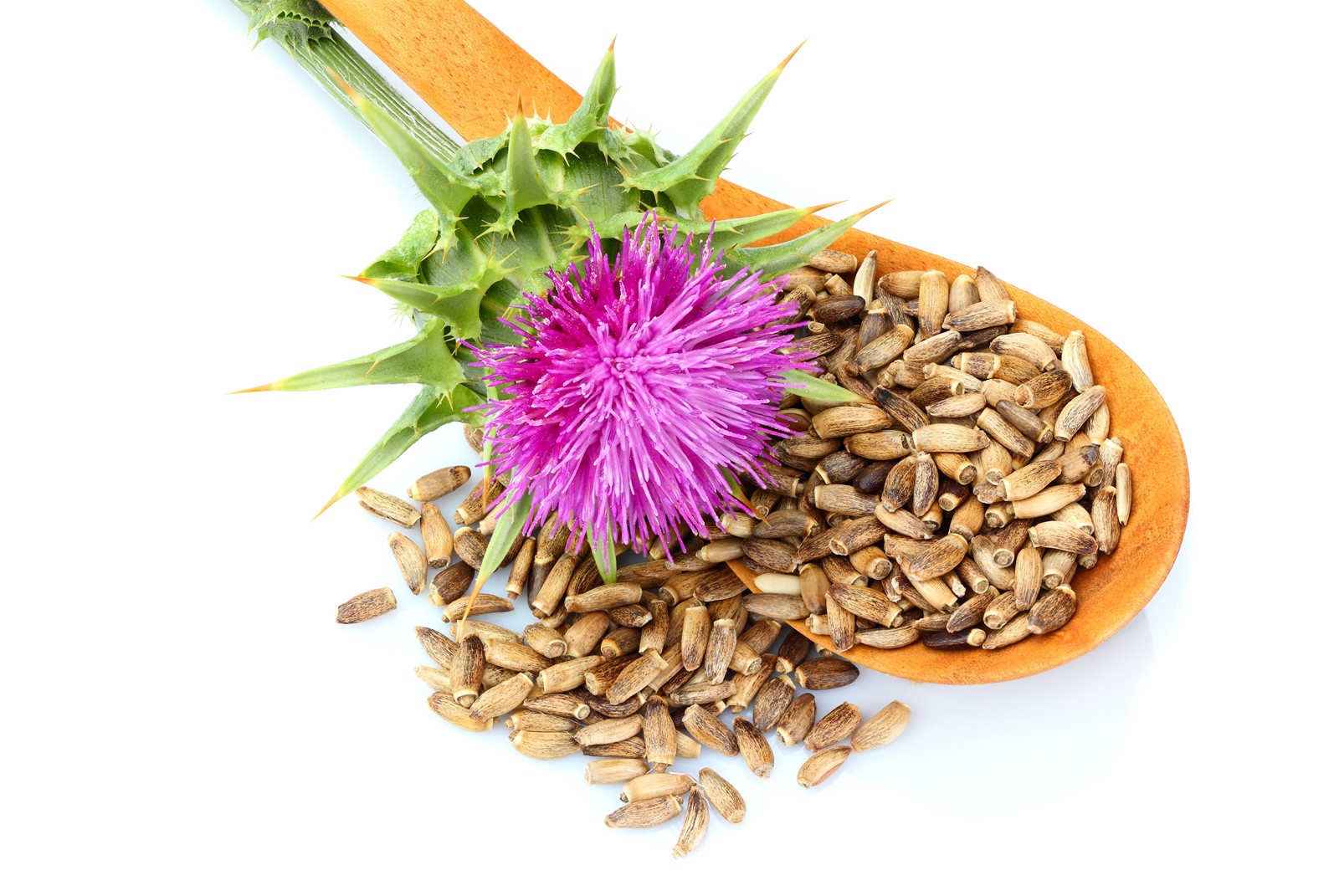


Q: I am wondering why you do not talk more about the benefits of milk thistle for high cholesterol. Lots of people have problems with statins and you should let them know there is an alternative.
I first read about milk thistle in your column and I tried it. I was on statins and hated taking them, but my doctor insisted since high cholesterol runs in my family. The diet I was on for lowering cholesterol was not working.
Within three months of taking milk thistle plus a statin, my numbers were down to normal. The doctor has now lowered my statin dose. After my next bloodwork, I may be able to drop the statin completely if the readings are still lower. People struggling with statin side effects should know about this.
A: Milk thistle (Silybum marianum) has a reputation for protecting the liver from damage. In addition, research shows that it may also have the potential to benefit the cardiovascular and nervous systems (Journal of Agricultural and Food Chemistry, Oct. 12, 2020).
A six-week blinded trial of the milk thistle component silymarin for volunteers with Type 2 diabetes showed that it significantly improved lipid profiles and blood sugar (Phytomedicine, May 15, 2018). More recent trials have combined milk thistle with Berberis aristata (Indian barberry) extract. This combination lowers total and LDL cholesterol and improves blood glucose control (Planta Medica, January 2020).
Q: Did a guest on your radio show talk about using melatonin for heartburn? I think I heard that melatonin was equally effective as a PPI for reducing acid reflux. I seem to recall that this supplement acts by tightening the sphincter between the stomach and the esophagus. Is it worth trying?
A: You are correct. Dr. Tieraona Low Dog mentioned that melatonin improves the mucosal barrier of the stomach and esophagus. It also increases the muscle tone of the lower esophageal sphincter (LES) that separates the stomach from the esophagus.
This is important because it is the natural way the body keeps stomach acid and other irritating substances from harming the esophagus. This may, in part, explain how melatonin protects the esophagus (International Journal of Molecular Sciences, July 2018).
Q: Is there such a thing as “turmeric milk”? I have a friend who says it has been helpful to ease arthritic stiffness, pain and inflammation. How much do you use, and what kind of milk do you mix it in? Can you use non-dairy “milk”?
A: Turmeric milk, also called golden milk, is a time-honored remedy from the Ayurvedic tradition. Readers who grew up in India or whose families came from that part of the world have often told us that they use turmeric milk to calm coughs as well as for joint or muscle pain.
You can use regular milk or a plant-based milk substitute. It should have at least a little fat in it, as the turmeric will be absorbed better. There are various recipes, but a ratio of 1 teaspoon turmeric to 8 ounces of warm milk is a good start. A pinch of black pepper (to aid absorption) and honey to taste are common additions.
Turmeric is the yellow spice in curry, and it is generally safe. However, some people are allergic to it and may develop rashes. They should avoid it. So should individuals on anticoagulant medications, as we have received reports that it may interact with warfarin.
In their column, Joe and Teresa Graedon answer letters from readers. Send questions to them via www.peoplespharmacy.com.
 PREVIOUS ARTICLE
