




Editor’s note: On Gardening columnist Tom Karwin is off this week. A version of this column previously ran.
A very important part of wildfire preparation involves actions by homeowners. We have compiled several links to comprehensive information about preparing for fire season. See “Advance Your Garden Knowledge” below.
Much of the advice for homeowners to protect against wildfire hazards emphasizes the separation of flammable trees and shrubs from residences.
This could be accomplished by simply keeping (or removing) all trees and shrubs to create 100 feet of defensible space around your home and outbuildings.
This guideline (a state law, actually) is relevant to homes in fire-prone areas (see references below), but doesn’t require reducing your garden to bare dirt.
The general advice for fire-safe landscaping is that trees should be kept farthest from the house, shrubs can be closer, and lawns and bedding plants can be the closest.
A more thorough approach would be to recognize that some plants are highly flammable and some are fire-resistant. If you live in a fire-prone area, these plant characteristics should be on your study list.
Here are quick references, generated by artificial intelligence. These lists of course include only a few of the plants of each kind.
Highly flammable trees and shrubs
• Eucalyptus: The oils in the leaves are highly flammable.
• Pine Trees: Contain resinous sap, which is highly flammable.• Juniper: Dense, low-level foliage that can catch fire easily.
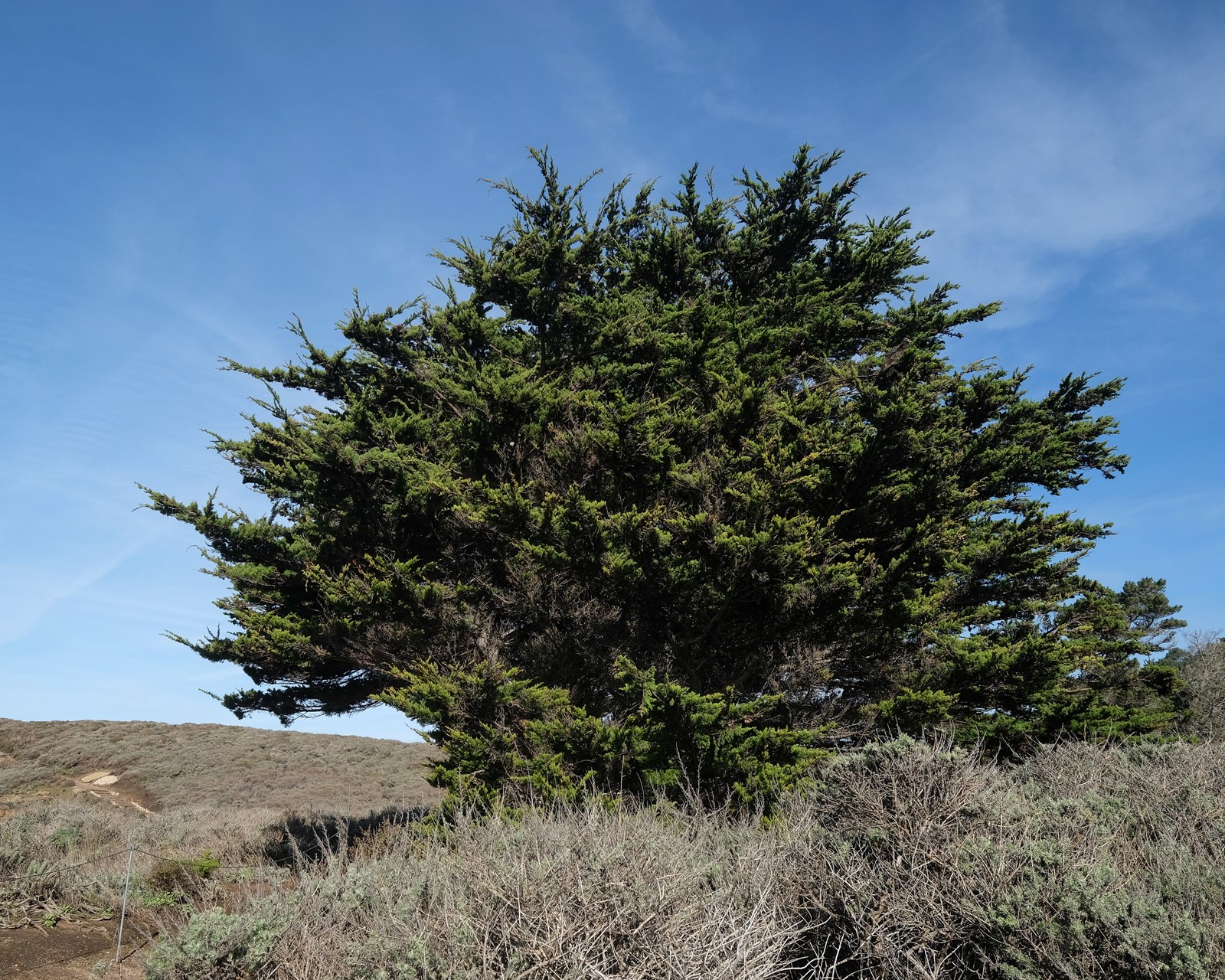
• Cypress: Also contains oils that can easily ignite.
• Cedar: The wood and foliage are both flammable.
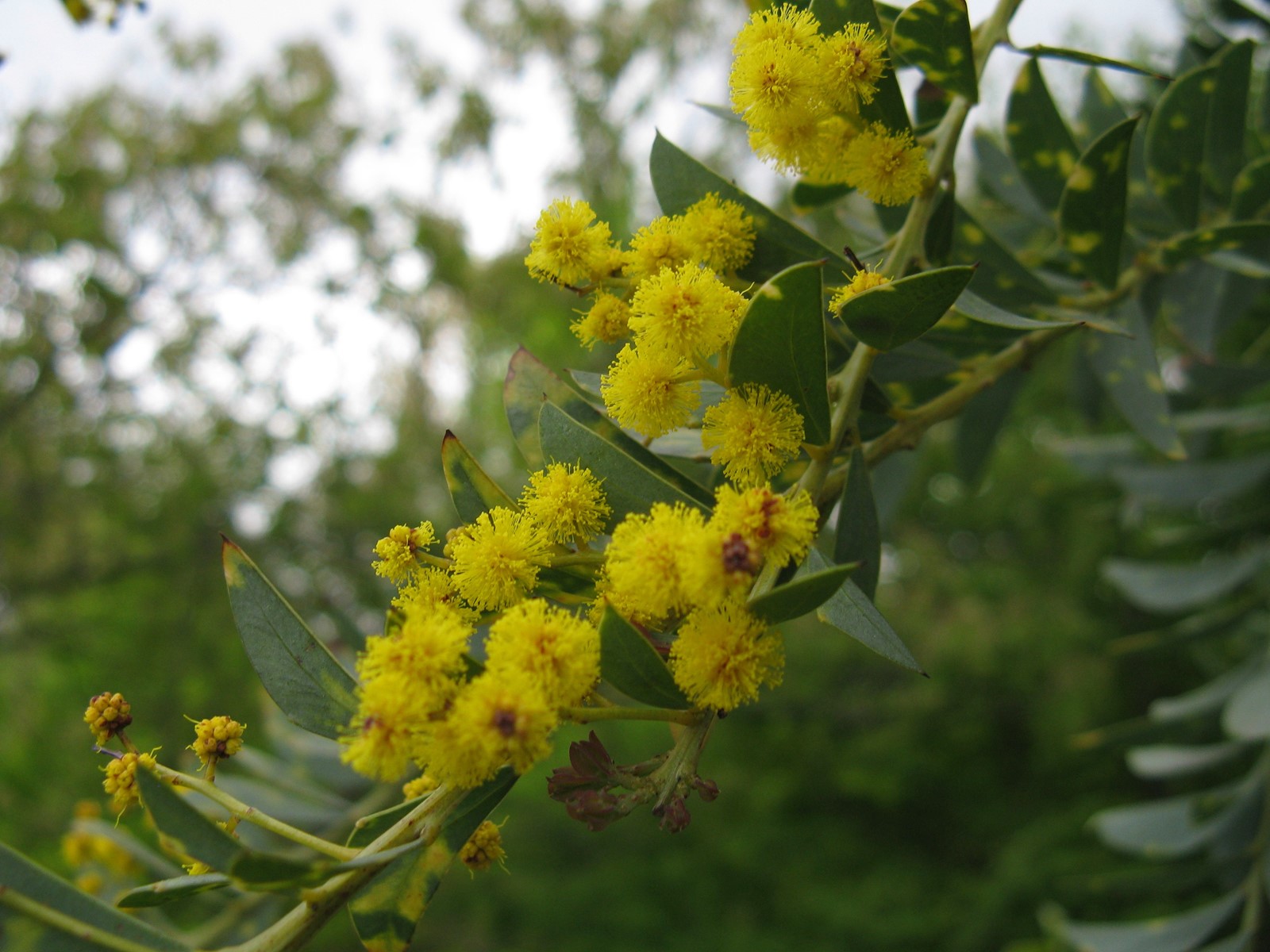
• Acacia: While hardy, they contain flammable oils.
• Arborvitae: Often used for hedges but catches fire easily.
• Spruce: Contains flammable oils and resins.
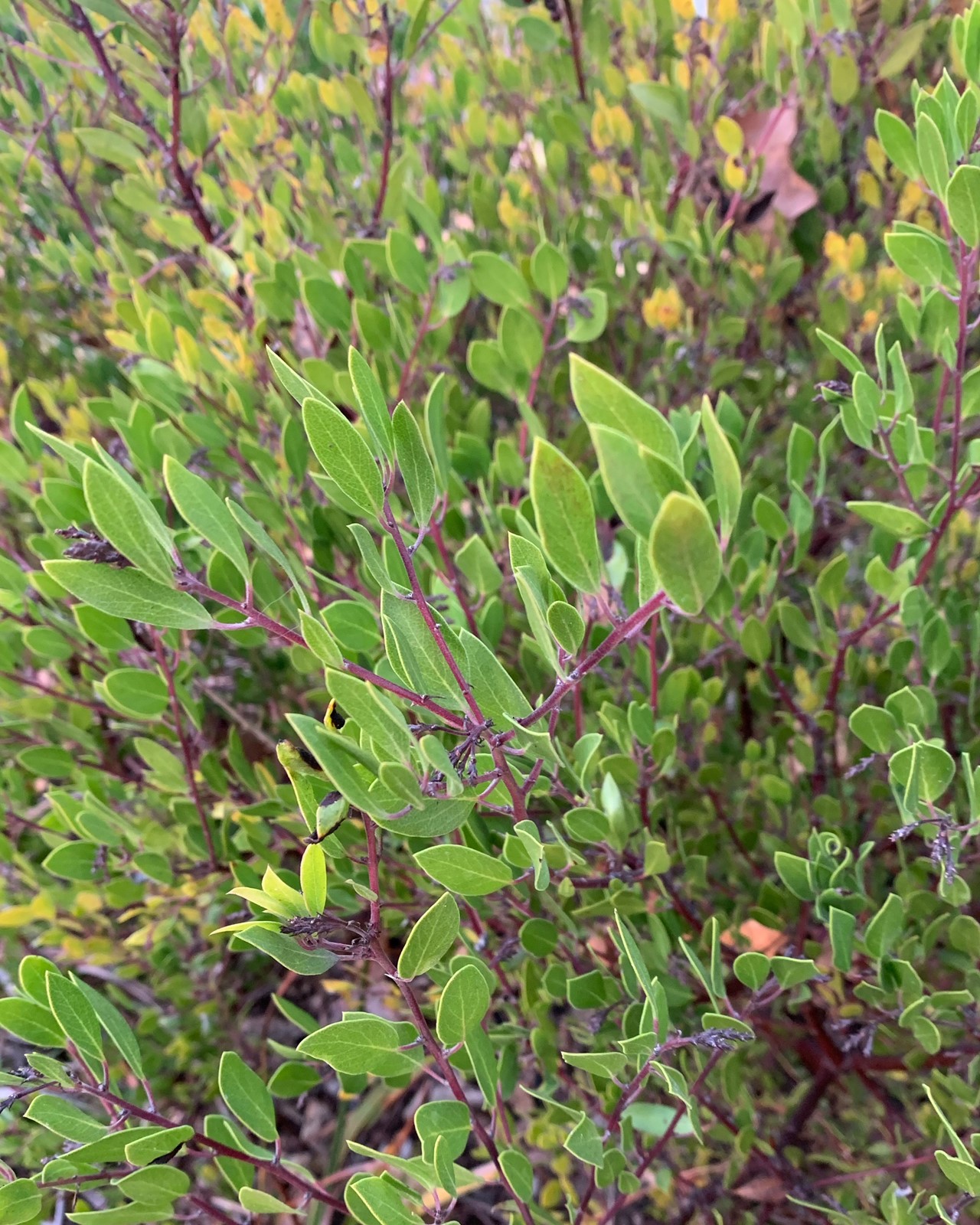
• Manzanita: Native but can be very flammable due to its bark and leaves.
• Bamboo: Can be highly flammable, especially when dry.
A recent Monterey Herald article reported $1 million in state funding to remove eucalyptus trees in residential areas of North Monterey County.
In the article, Joel Mendoza, North Monterey County fire chief said, “These trees, they burn hot, and they burn fast. Once a eucalyptus grove catches fire, it is really hard to manage it.”
Fire-resistant trees and shrubs
• Live Oak: The thick, succulent leaves offer more resistance against fire.
• California Buckeye: Native and adapted to the local ecosystem.
• Toyons: A native shrub that’s more fire-resistant than most.
• Coyote Brush: Another native species that has some fire-resistant properties.
• Maple: Broad-leafed and fire-resistant.
• Poplar: The leaves and bark offer a level of fire resistance.
• Sycamore: Large leaves and high moisture content make it less prone to catching fire.
• Redbud: Low flammability due to its leaf structure.
• Coffeeberry: Native and adapted to resist fires.
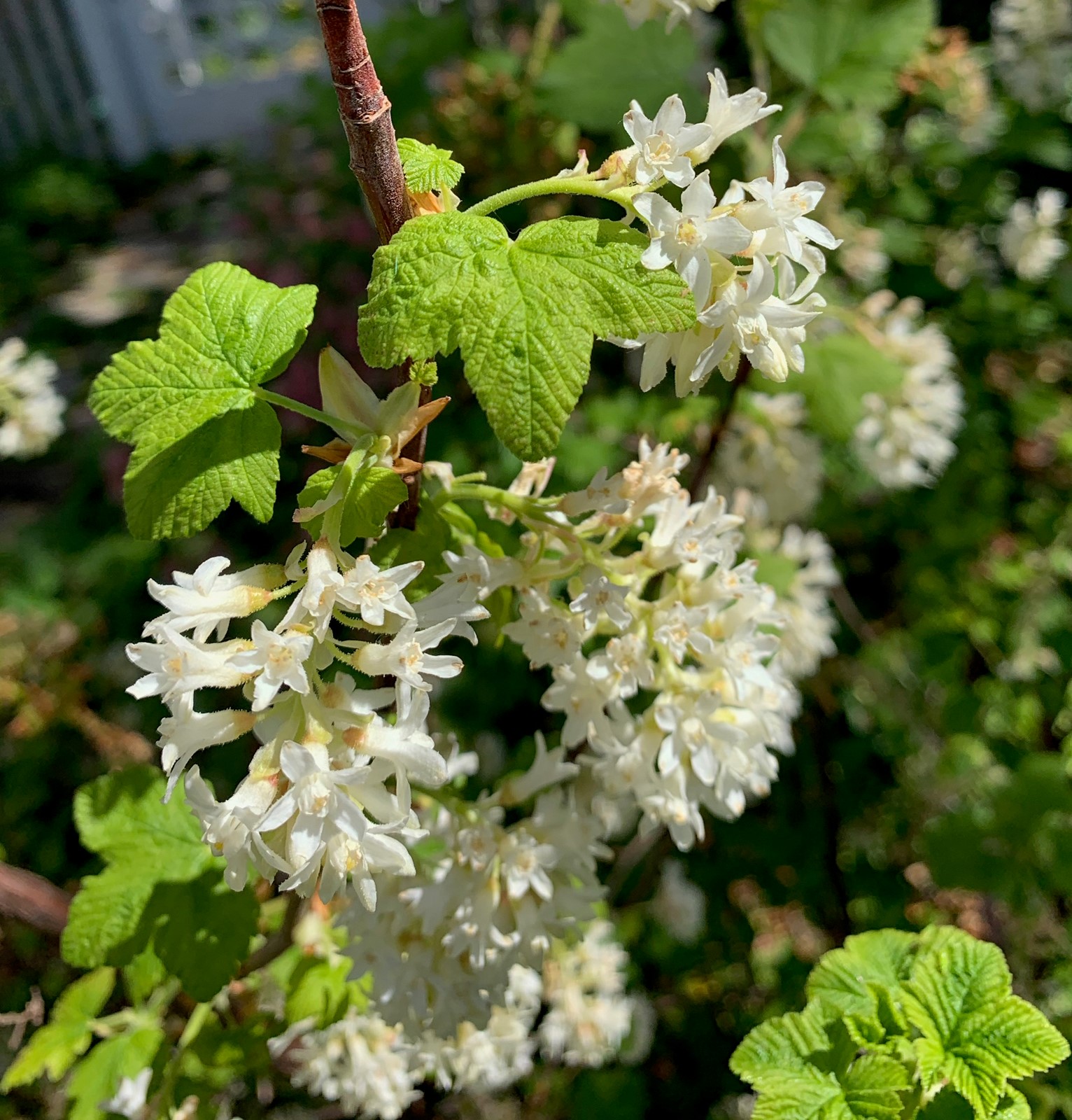
• Currants and Gooseberries: Often recommended for fire-resistant gardens.
A significant addition to this list would be succulent plants. Aloe spp., Jade (Crassula spp.), and Stonecrop (Sedum spp.) are great choices as they retain a lot of water and are low in flammable oils. For a focus on fire-resistant succulent plants, visit Debra Lee Baldwin’s webpage, debraleebaldwin.com/firewise-landscaping-with-succulents/.
Enjoy your garden, especially if you’re in a fire-prone zone.
Advance Your Garden Knowledge
Cal Fire has posted maps of Fire Hazard Severity Zones in Santa Cruz County (tinyurl.com/yc467ydj) and Monterey County (tinyurl.com/mr3xkkfb). If you reside in a “high” or “very high” zone, review your preparedness for fires.
Information on protecting your home from fire hazards is available from the Firesafe Council of Santa Cruz County (www.firesafesantacruz.org/). If you live in a fire-prone area, check “HIZ” on this site’s menu.
Relevant information for Monterey County is available from the Firesafe Council of Monterey County (www.firesafemonterey.org/).
For statewide perspectives, visit the Cal Fire website of California’s Department of Forestry and Fire Protection: www.fire.ca.gov/.
This site’s “Incidents” page includes data on the state’s currently active and past fire incidents. The site’s “ Prepare” page has a link to www.readyforwildfire.org/, with detailed information on home hardening and related info.
Fire Safe Marin (with a climate very similar to the Monterey Bay area, has posted “Fire-Smart Plants,” a guide for choosing landscape plants in a fire-prone environment. This site includes a link to a list of fire-smart and fire-hazardous plants. Check it out at https://tinyurl.com/w8cfkh8d.
PG&E’s 2023-2023 Wildfire Mitigation Plan is available online at tinyurl.com/2s4ctnn3.
For the University of California’s fire-scaping recommendations, browse to tinyurl.com/3t2f2rxk.
Tom Karwin can be reached at gardening@karwin.com.
 PREVIOUS ARTICLE
