


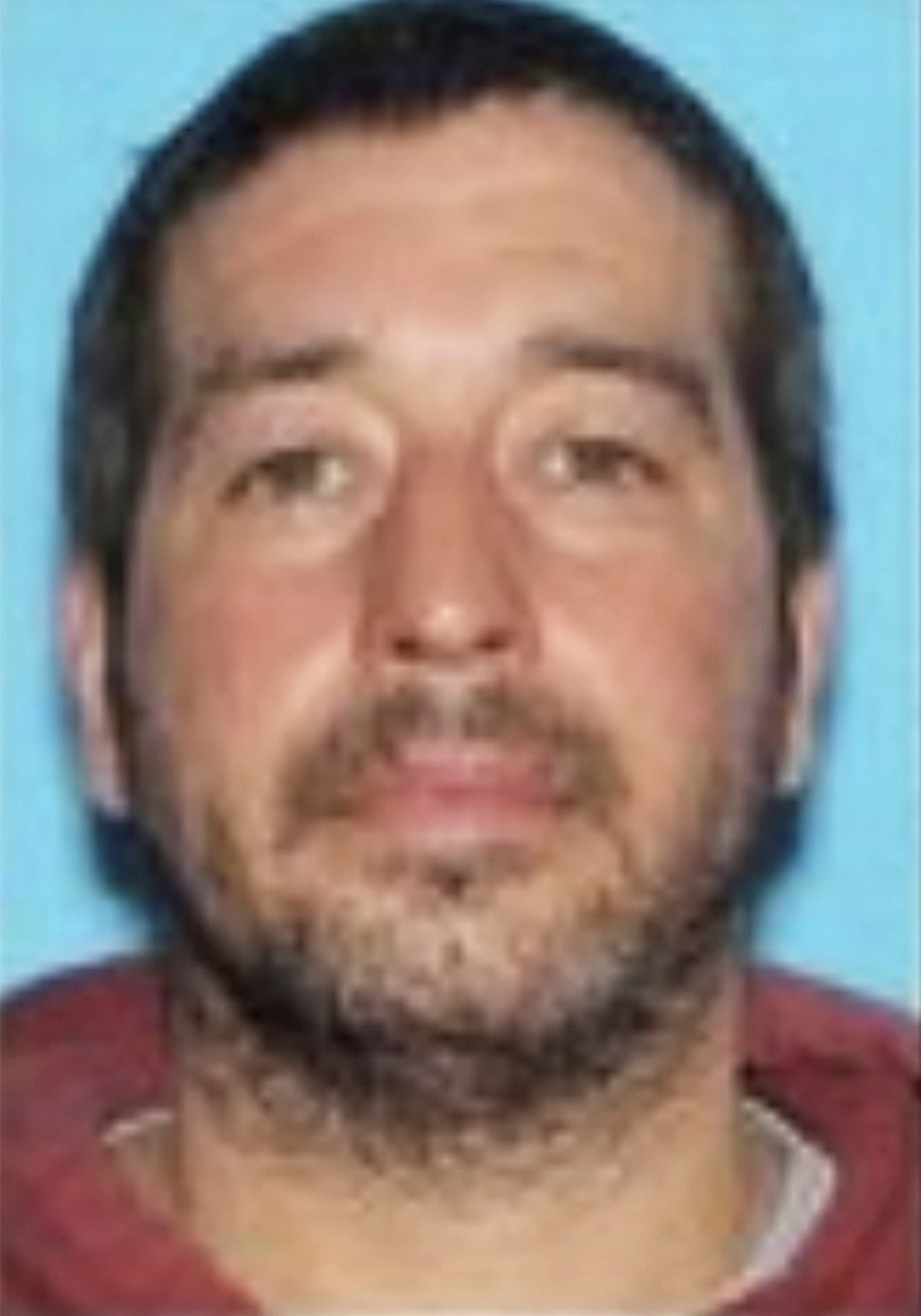


LEWISTON, Maine >> Authorities in Maine spent Monday piecing together the events that led to the worst mass shooting in the state’s history — with the gunman’s record of interaction with police and warning signs involving mental illness and violent threats emerging as key threads.
Those same authorities are facing growing scrutiny over how the shooter was able to keep his guns and remain on the street despite exhibiting signs that he might commit violent acts.
Robert Card — the gunman who was found dead Friday of a self-inflicted gunshot wound — underwent a mental health evaluation last summer after he began acting erratically at an Army training facility in New York, officials said. A bulletin sent to police shortly after last week’s attack said Card had been committed to a mental health facility for two weeks after “hearing voices and threats to shoot up” a military base.
Authorities have not said whether they believe the 40-year-old Card planned his shooting rampage in advance. But nearly three months ago, he tried and failed to acquire a device used to quiet gunshots, according to a gun shop owner in Auburn.
Rick LaChapelle, owner of Coastal Defense Firearms, said Card purchased a suppressor, also called a silencer, online and arranged to pick it up at his shop.
Card already had submitted information to the federal government to purchase it, and federal authorities had approved the sale to that point, he said.
On Aug. 5, when Card filled out the form at LaChapelle’s gun shop to pick up the silencer, he answered “yes” to the question: “Have you ever been adjudicated as a mental defective OR have you ever been committed to a mental institution?”
“As soon as he answered that ‘yes’ we know automatically that this is disqualifying, he’s not getting a silencer today,” LaChapelle said.
Silencers are more heavily regulated under federal law than most firearms. Federal law requires buyers to apply with the Bureau of Alcohol, Tobacco, Firearms and Explosives and be approved. The typical wait time is between six and eight months, said Mark Collins, federal policy director at the gun-violence prevention group Brady.
LaChapelle said he does not know when Card made the online purchase.
He said Card was polite when notified of the denial, mentioned something about the military and said he would “come right back” after consulting his lawyer.
Investigators are still searching for a motive for the massacre but have increasingly focused on Card’s mental health history.
 PREVIOUS ARTICLE
