




A sweeping plan by a state agency to build golf courses, lodging and pickleball courts on environmentally-sensitive lands at nine Florida parks is causing alarm among members of local conservation groups who worry where it might lead.
Although none of the parks now being considered are in Central Florida, environmentalists in the region fear similar proposals from the Florida Department of Environmental Protection to bulldoze locally protected areas for endangered flora and fauna to build recreational facilities — including at the popular Wekiwa Springs, Lake Louisa and Hontoon Island state parks.
“I am shocked,” said Michelle Jamesson, vice president of the nonprofit Friends of the Wekiva River, regarding the proposal dubbed the Great Outdoors Initiative announced early last week. “We don’t need golf courses, pickleball courts or resort-style hotels in our state parks. That’s what Disney is for. … If these state lands can be threatened for development, then others can too, including our beloved Wekiwa.”
According to the plan, three golf courses are being slated for Jonathan Dickinson State Park in Martin County, and 350-room “lodges” could come to Topsail Hill Preserve State Park in Walton County and Anastasia State Park in St. Johns County.
Other recreational amenities include pickleball courts, disc golf courses, and “glamping” cabins at Oleta River State Park in Miami-Dade County; Honeymoon Island State Park in Pinellas County; Camp Helen State Park in Bay County; Dr. Von D. Mizell-Eula Johnson State Park in Broward County; Grayton Beach State Park in Walton County; and Hillsborough River State Park in Hillsborough County.
In a statement released late Wednesday, state officials said “all facilities will be designed and developed in harmony with the surrounding natural environment.” They said there was “confusion” about the plan and encouraged the public to attend meetings at each of those parks where detailed plans will be presented.
Originally scheduled for this Tuesday, the meetings were canceled late Friday afternoon. According to a DEP statement posted on the social media site X, formerly Twitter, the meetings will be rescheduled for early September.
“Due to overwhelming interest with the 2024-25 Great Outdoors Initiative, DEP is looking for new venues to accommodate the public,” according to the statement. “We want to ensure everyone has the opportunity to participate. Public input is vital to DEP decision making.”
Valerie Anderson, of Kissimmee and director of communications for the Florida Native Plant Society, said many of the areas marked for development are vital for rare native plants and flowers to thrive.
She blasted the DEP for releasing the development proposals without much public notice. It “completely circumvented” the normal public process for announcing park management plans, which give residents, advisory panels, conservation groups and experts a chance to weigh in weeks in advance, she said.
“It’s just not good planning. It’s not good governance or policy,” Anderson said. “If this were to become a regular occurrence, we would have to quickly rally people and organize protests just because someone had the idea for some development in a state park,” including for any in Central Florida.
Florida state parks — including those in Central Florida — provide “extremely rich habitats” filled with native vegetation, she said, citing as an example the scrubland where the golf courses are planned at Dickinson State Park.
But if areas at state parks — commonly used for school field trips — are bulldozed for golf courses or pickleball courts, then “are the only places left that kids can look at [native plants], is a museum?” she said.
The development plans would have to be approved by the DEP’s acquisition and restoration council. The council’s next meeting is Sept. 12. As of Friday, the DEP proposal was not on the agenda. But it could be added before then.
Paul Owens, president of 1000 Friends of Florida, said the DEP has given the public little time to study the plans and take part in public meetings before they are approved. That could establish a precedent.
“That could open the door for these kinds of proposals for the other 166 state parks in the future,” he said. “Anything allowed at any of the nine state parks could be allowed at any other state parks…The point of parks is not to create active recreation complexes. It is to create passive recreation, such as hiking, kayaking. birdwatching.”
Chuck O’Neal, president of Speak Up Wekiva, said the latest DEP proposal reminded him of 2015 when state officials pushed a plan to open areas of state parks to allow cattle grazing and timber cutting by private companies.
“Thankfully, that was beaten back,” he said. “But what is it about state parks that they look at them and think these places need to be mowed and developed?”
In 2011, Florida lawmakers pitched a bill giving a company exclusive rights to build courses designed by famed golfer Jack Nicklaus in state parks. The plan died after a large uproar from a teed-off public, including another legendary golfer, Arnold Palmer.
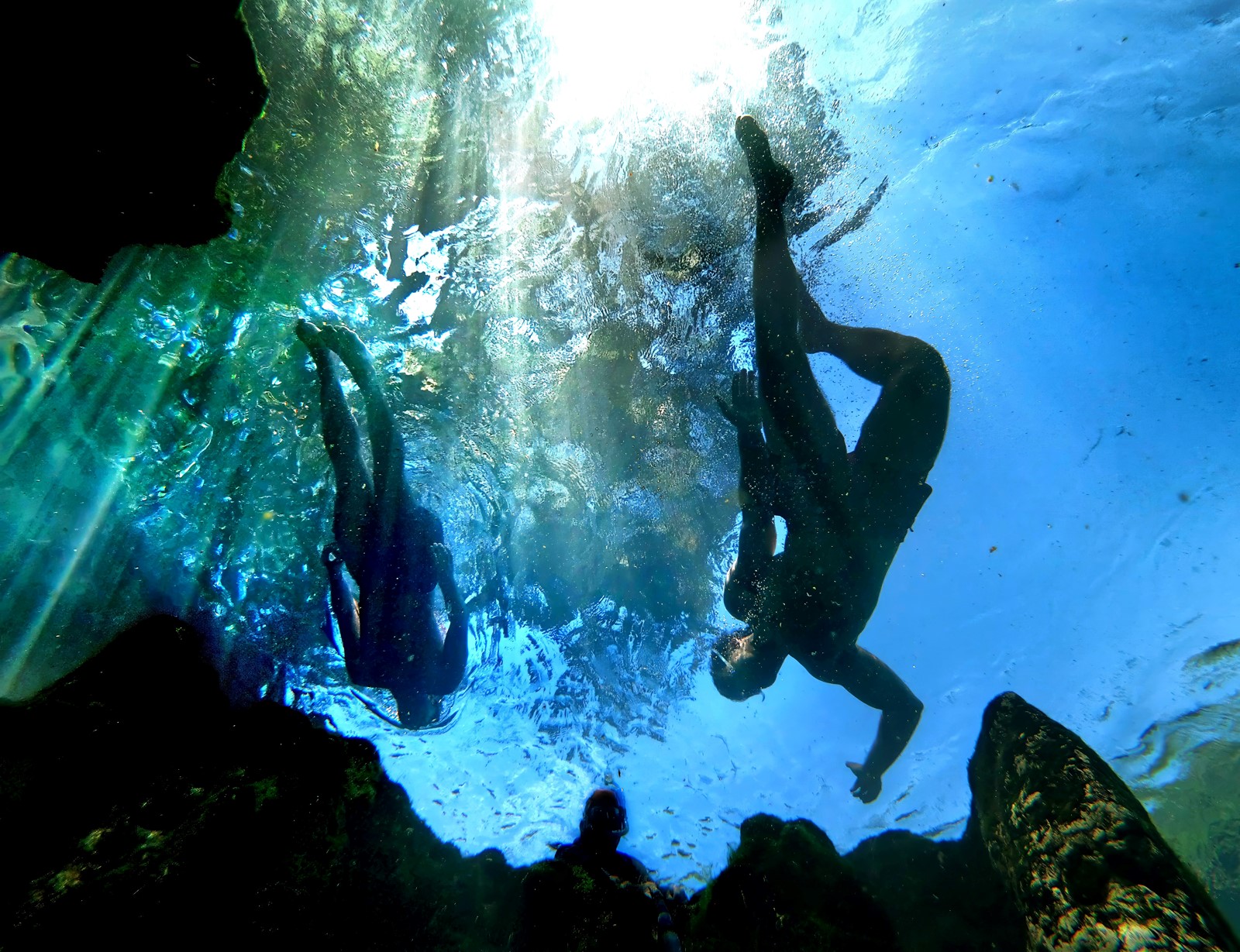
Wekiwa Springs State Park, which straddles the Orange and Seminole lines, averages more than 410,000 annual visitors, making it one the most popular parks in the region. On summer weekends, the park regularly closes before noon because it fills to capacity.
Casselberry resident Jeff Hartzler, 38, has hiked, fished and kayaked at Hontoon Island in Volusia County and Wekiwa for nearly his entire life. He often takes part in the annual Wekiva River cleanups.
But he was angry after learning about DEP’s plan, and now worries if similar plans will come to his beloved parks.
“It’s insane,” he said of proposal. “I no longer have confidence that the people we have entrusted to protect our environment are going to protect our environment. … We shouldn’t have to sleep with one eye open wondering what they are going to do next.”
 PREVIOUS ARTICLE
