


City responds to mounding heroin epidemic
Community resources, treatment facilities are key, city officials say
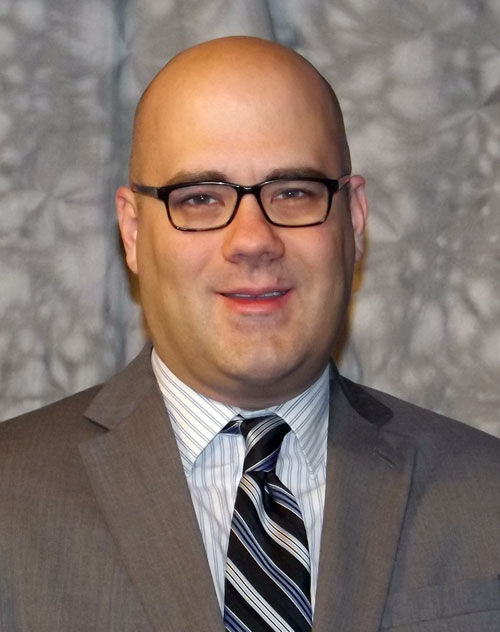
Nick Hanek


BRUNSWICK – City officials announced last week they will spend the next several months keeping a close eye on the city’s growing heroin epidemic in an effort to make sure the community has the resources it needs to tackle the growing problem.
Following the release of statistics last month that showed Brunswick had the highest number of overdose deaths in Medina County in 2016, members of City Council’s Safety Committee say they plan to work closely with the city’s safety forces and other community organization to monitor the situation provide assistance to the community as best they can.
“It’s no longer just those living on skid row that are affected,” said Ward 2 Councilman Nick Hanek. “This is a problem that is affecting everyone across the board.”
Police Chief Carl DeForest said the police department agrees, noting that the issue is far more widespread than most in the community think.
“So many people think we don’t have an issue but we do and it’s not going away anytime soon,” DeForest said. “This problem is affecting everyone of all ages. We’ve seen it affect 17-year-olds just as much as it’s affecting 60-year-olds and in all areas of the city. There isn’t any one neighborhood or type of dwelling that sticks out over any of the others. It’s all over the city.”
DeForest explained until recently, the city was fairly isolated from the heroin issues seen in other neighboring counties. However, 2016 brought with it an unprecedented spike in heroin use amongst city residents and a large number – 42 to be exact – heroin overdoses. Ten of those overdoses resulted in the victim’s death.
“Until now, the numbers had been very isolated with heroin use more prevalent in Cuyahoga County and southern Medina County,” DeForest said. “But now we’ve seen in move north and south and the problem is only growing.”
Because city officials do not expect the statistics to fall in 2017, they said partnering with other community organizations and the school district is key, as is making sure the community has options – not only for counseling but treatment options.
“If this (epidemic) keeps spiking like this, the effects could be devastating,” Hanek said.
Though the city does not have any clinics or treatment facilities of its own in operation at the time, DeForest said a business owner has recently expressed interest in opening one.
“It’s in the discussion phase at this point in time,” DeForest said, noting that the location of the proposed facility is not being disclosed at this time. “But like all facilities of this nature. Everyone wants it in their community, but nobody wants it in their backyard.”
Following the release of statistics last month that showed Brunswick had the highest number of overdose deaths in Medina County in 2016, members of City Council’s Safety Committee say they plan to work closely with the city’s safety forces and other community organization to monitor the situation provide assistance to the community as best they can.
“It’s no longer just those living on skid row that are affected,” said Ward 2 Councilman Nick Hanek. “This is a problem that is affecting everyone across the board.”
Police Chief Carl DeForest said the police department agrees, noting that the issue is far more widespread than most in the community think.
“So many people think we don’t have an issue but we do and it’s not going away anytime soon,” DeForest said. “This problem is affecting everyone of all ages. We’ve seen it affect 17-year-olds just as much as it’s affecting 60-year-olds and in all areas of the city. There isn’t any one neighborhood or type of dwelling that sticks out over any of the others. It’s all over the city.”
DeForest explained until recently, the city was fairly isolated from the heroin issues seen in other neighboring counties. However, 2016 brought with it an unprecedented spike in heroin use amongst city residents and a large number – 42 to be exact – heroin overdoses. Ten of those overdoses resulted in the victim’s death.
“Until now, the numbers had been very isolated with heroin use more prevalent in Cuyahoga County and southern Medina County,” DeForest said. “But now we’ve seen in move north and south and the problem is only growing.”
Because city officials do not expect the statistics to fall in 2017, they said partnering with other community organizations and the school district is key, as is making sure the community has options – not only for counseling but treatment options.
“If this (epidemic) keeps spiking like this, the effects could be devastating,” Hanek said.
Though the city does not have any clinics or treatment facilities of its own in operation at the time, DeForest said a business owner has recently expressed interest in opening one.
“It’s in the discussion phase at this point in time,” DeForest said, noting that the location of the proposed facility is not being disclosed at this time. “But like all facilities of this nature. Everyone wants it in their community, but nobody wants it in their backyard.”