


Senate remains focused on opioids, president says
Legislature views drug use as more than just law enforcement issue
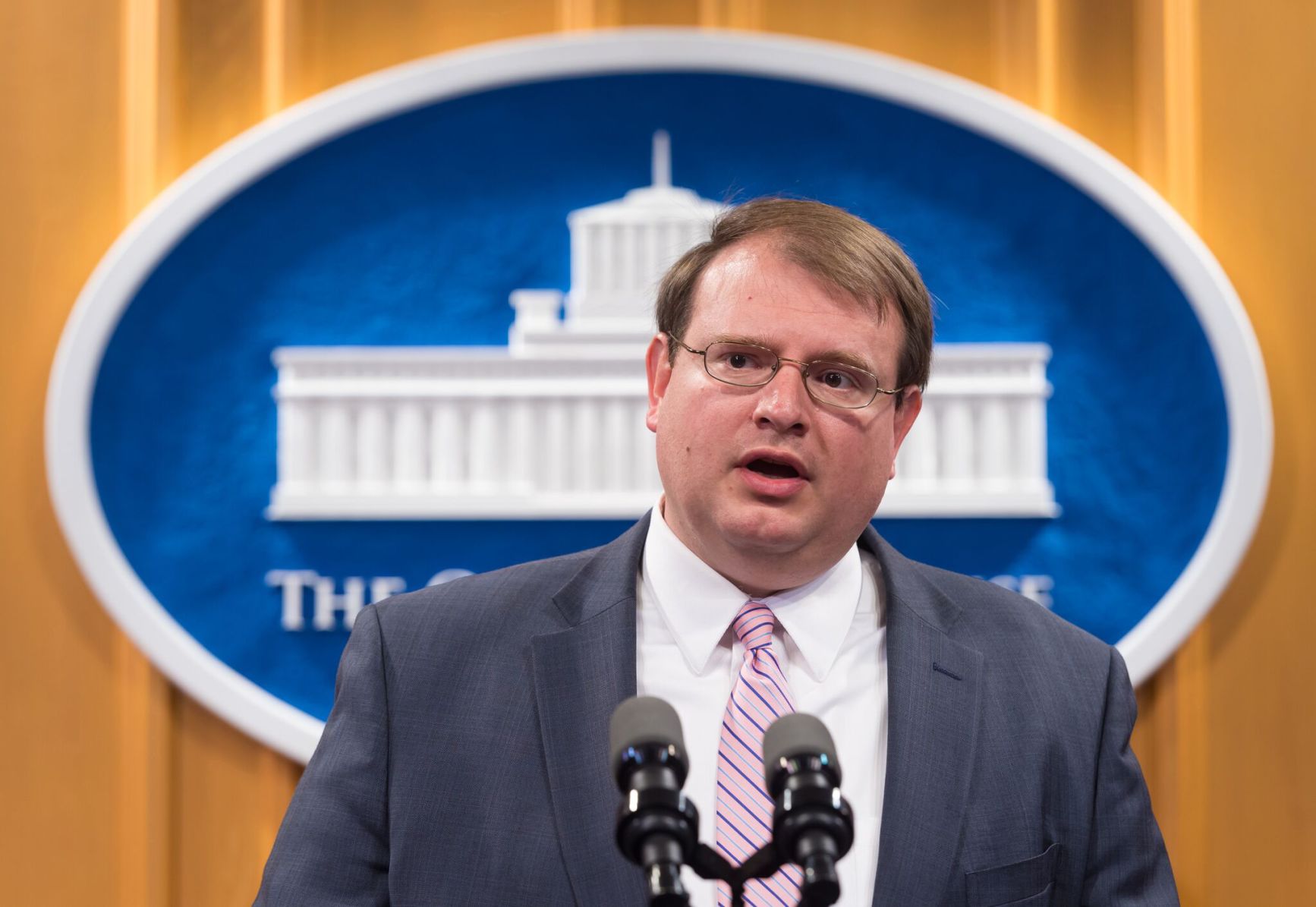
Ohio Senate President Larry Obhof (R-Medina) says his branch is dedicated to finding ways to combat growing opioid usage and overdose deaths, which has included adding $181 million toward the cause in the state’s recent budget cycle. File photo


COLUMBUS – Topping the broad list of legislative priorities for the Ohio Senate this year was and continues to be the fight against statewide opioid usage and overdoses.
Senate Bill 1 – sponsored by Sen. Frank LaRose (R-Hudson), passed by the Senate in March and currently undergoing review in the House of Representatives’ Criminal Justice Committee – would increase penalties for traffickers who are pushing fentanyl and carfentanyl, both synthetic, medical-grade narcotics used to treat pain.
Law enforcement and legislative officials alike say the drugs are overwhelmingly more powerful, yet similar, to heroin and are most often smuggled into the U.S. from China or Mexico.
“We’re trying to hit it from a bunch of different angles and one of them is on the enforcement side,” said Senate President Larry Obhof (R-Montville). “Fentanyl is more deadly than cyanide. If you’re selling it, you know that some of your clients are going to die. You belong in jail, plain and simple.”
The state legislature has tackled major sentencing reform over the past few years in order to harshen penalties for traffickers but provide help for users. The state budget, passed earlier this summer, saw a roughly $181 million increase in the fight against opioids, Obhof said, which included more than $40 million toward child protective services and foster care due to children orphaned or neglected due to the epidemic, as well as monies dedicated to workforce development.
“If affects everything. I think a lot of people probably view it as a law enforcement issue, but if you just view it as a law enforcement issue – and it is one, it’s the most significant one – but if you just view it that way, you miss the $50 million that’s needed over here to take care of families that have been destroyed by this and make sure those kids have a fair shake in life.”
The Senate is also working with eight Ohio counties, Medina being one, to pilot a sentencing reform program for low-level opioid offenders. In broad strokes, the program sends offenders to county jails instead of the state prison system because “that’s less disruptive,” Obhof said, for those seeking recovery.
“Your family can still visit you. You’re not with the kinds of hardened criminals you might see in the state prison system,” Obhof said. “It’s also more efficient and effective and able to save the state money while doing the same thing.”
Medina County Court of Common Pleas Judge Joyce Kimbler testified before the Senate earlier this year to express her support for the pilot program. Obhof said the pilot program will continue “over the next couple years” with hopes to “maybe expand it further.”
“We made the program optional,” Obhof said. “Counties have the choice to do it or not ... because we did get some pushback from judges about it who like to have the options available and don’t like to be told how to do things.”
With Ohio clocking a massive 4,100-plus drug overdose deaths in 2016, Obhof touts the state’s expanded use of Narcan, an opioid overdose antidote. Introduced for law enforcement and safety forces in 2014, Narcan is now widely available to civilians through health departments and other recovery resources.
“I shutter to think what would happen if we hadn’t started using Narcan and doing some of these other things,” Obhof said. “It would be significantly worse.”
Obhof also expressed his support for the recent opening of Robby’s, a new outpatient recovery resource center on the city of Medina’s west side. He said he would like to see similar facilities opened throughout his district and beyond, as well as inpatient facilities, of which Medina County has none.
Senate Bill 1 – sponsored by Sen. Frank LaRose (R-Hudson), passed by the Senate in March and currently undergoing review in the House of Representatives’ Criminal Justice Committee – would increase penalties for traffickers who are pushing fentanyl and carfentanyl, both synthetic, medical-grade narcotics used to treat pain.
Law enforcement and legislative officials alike say the drugs are overwhelmingly more powerful, yet similar, to heroin and are most often smuggled into the U.S. from China or Mexico.
“We’re trying to hit it from a bunch of different angles and one of them is on the enforcement side,” said Senate President Larry Obhof (R-Montville). “Fentanyl is more deadly than cyanide. If you’re selling it, you know that some of your clients are going to die. You belong in jail, plain and simple.”
The state legislature has tackled major sentencing reform over the past few years in order to harshen penalties for traffickers but provide help for users. The state budget, passed earlier this summer, saw a roughly $181 million increase in the fight against opioids, Obhof said, which included more than $40 million toward child protective services and foster care due to children orphaned or neglected due to the epidemic, as well as monies dedicated to workforce development.
“If affects everything. I think a lot of people probably view it as a law enforcement issue, but if you just view it as a law enforcement issue – and it is one, it’s the most significant one – but if you just view it that way, you miss the $50 million that’s needed over here to take care of families that have been destroyed by this and make sure those kids have a fair shake in life.”
The Senate is also working with eight Ohio counties, Medina being one, to pilot a sentencing reform program for low-level opioid offenders. In broad strokes, the program sends offenders to county jails instead of the state prison system because “that’s less disruptive,” Obhof said, for those seeking recovery.
“Your family can still visit you. You’re not with the kinds of hardened criminals you might see in the state prison system,” Obhof said. “It’s also more efficient and effective and able to save the state money while doing the same thing.”
Medina County Court of Common Pleas Judge Joyce Kimbler testified before the Senate earlier this year to express her support for the pilot program. Obhof said the pilot program will continue “over the next couple years” with hopes to “maybe expand it further.”
“We made the program optional,” Obhof said. “Counties have the choice to do it or not ... because we did get some pushback from judges about it who like to have the options available and don’t like to be told how to do things.”
With Ohio clocking a massive 4,100-plus drug overdose deaths in 2016, Obhof touts the state’s expanded use of Narcan, an opioid overdose antidote. Introduced for law enforcement and safety forces in 2014, Narcan is now widely available to civilians through health departments and other recovery resources.
“I shutter to think what would happen if we hadn’t started using Narcan and doing some of these other things,” Obhof said. “It would be significantly worse.”
Obhof also expressed his support for the recent opening of Robby’s, a new outpatient recovery resource center on the city of Medina’s west side. He said he would like to see similar facilities opened throughout his district and beyond, as well as inpatient facilities, of which Medina County has none.