




COLUMBUS - Ohio State University sophomore Brandee Bell was taking a macroeconomics quiz in an upstairs classroom in McPherson Hall on the university's north campus just before 10 a.m. Nov. 28 when everyone in her class started receiving frantic text messages from friends.
"Our phones were going off," said Bell, 20, a 2015 Cloverleaf High School graduate. "We looked out the window and saw police cars and lights."
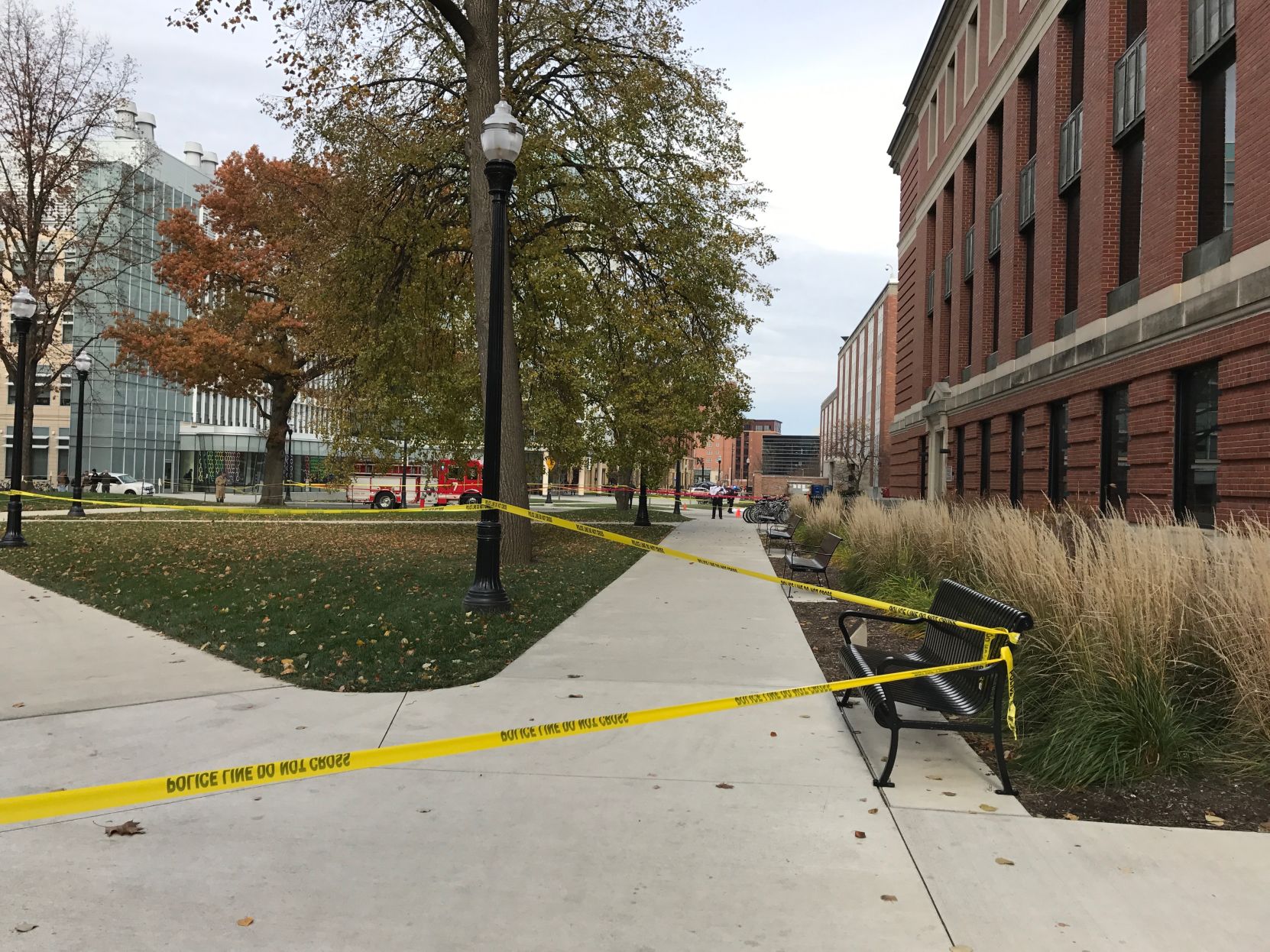
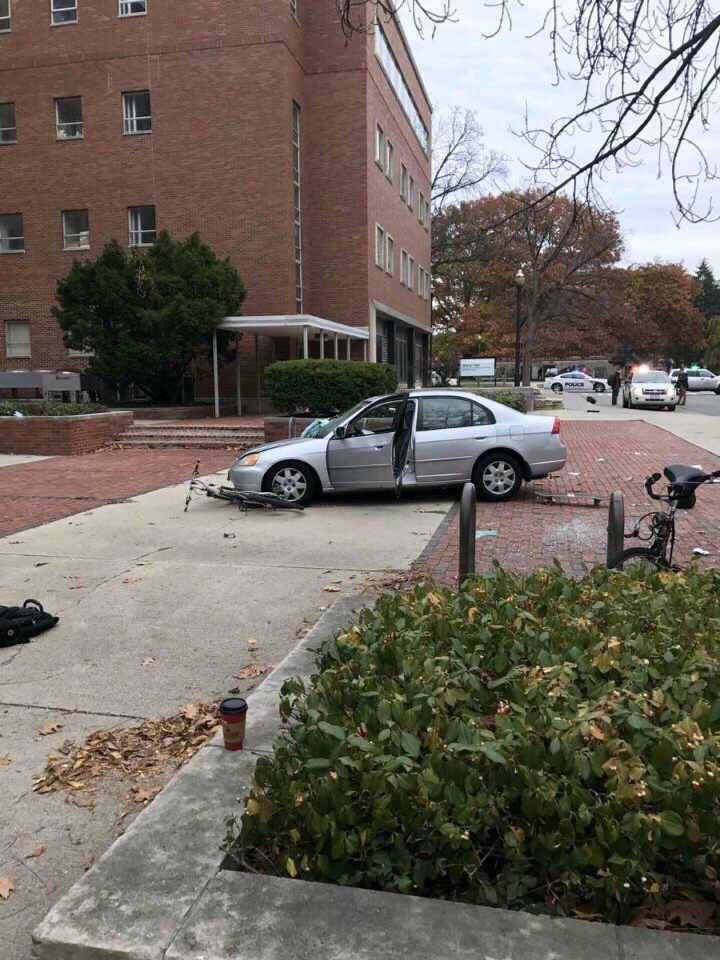
Below them across the street a couple minutes prior, a man, later identified by Ohio State University Police as student and Somali native Abdul Razak Ali Artan, at 9:52 a.m. drove his car onto the sidewalk by Watts Hall, hitting several people, and then got out and started stabbing people with a knife.
"It could have been so much worse," she said. "What if it was me?"
In the area was Ohio State Police Officer Alan Horujko, who shot and killed the suspect nearby at 9:53 a.m. after Artan failed to comply with his orders. Eleven people suffered injuries from both the car crash and the stabbings.
Immediately after this, the university sent out a Buckeye Alert, an emergency notification that goes to phones and email addresses, stating there was an active shooter in the area around West 19th Street and College Avenue on north campus. Bell said it was at this time the messages started coming and all the classrooms in the area were put on lockdown.
"My biggest thing was that I made sure my parents knew I was OK," she said. "The first thing you think of is family."
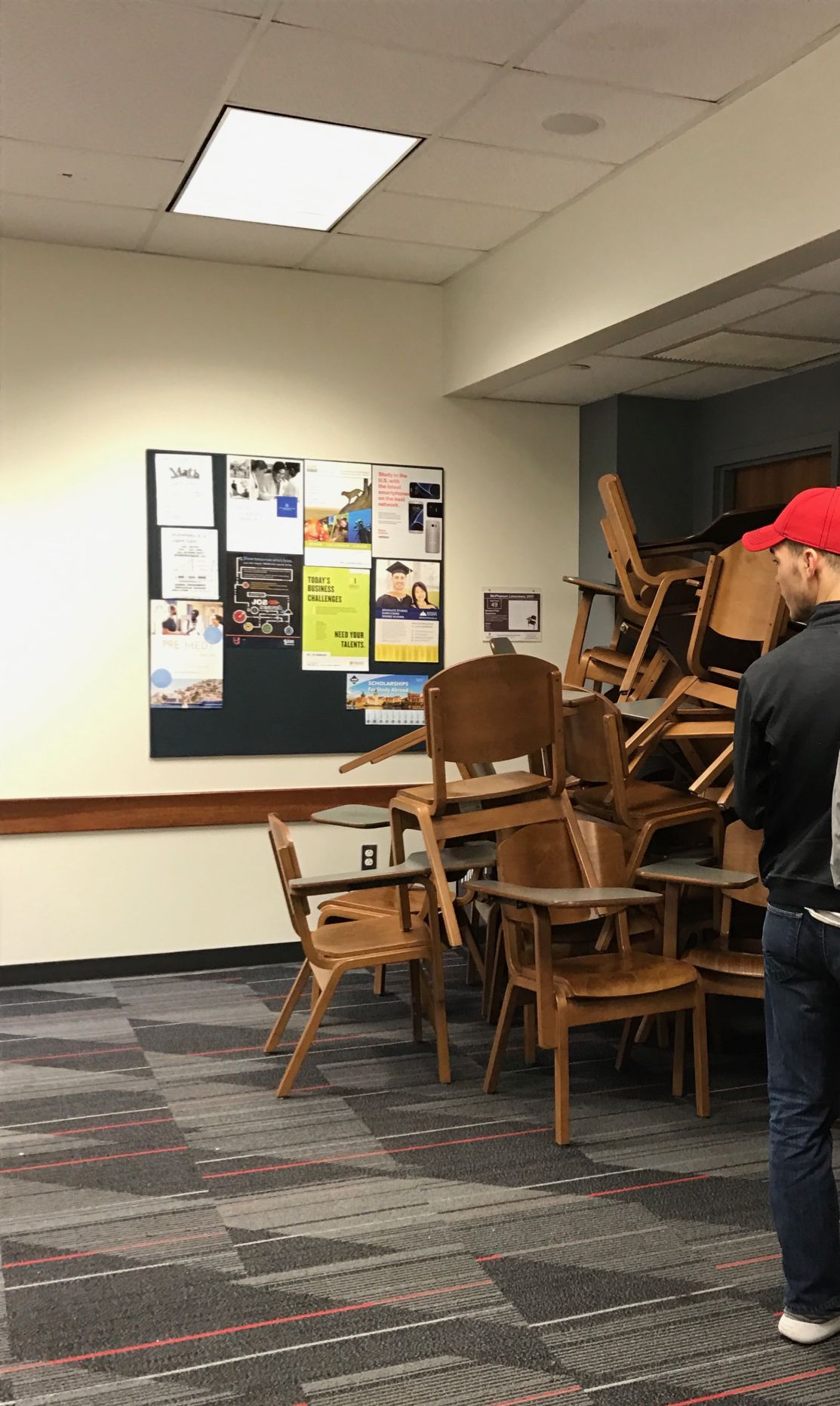
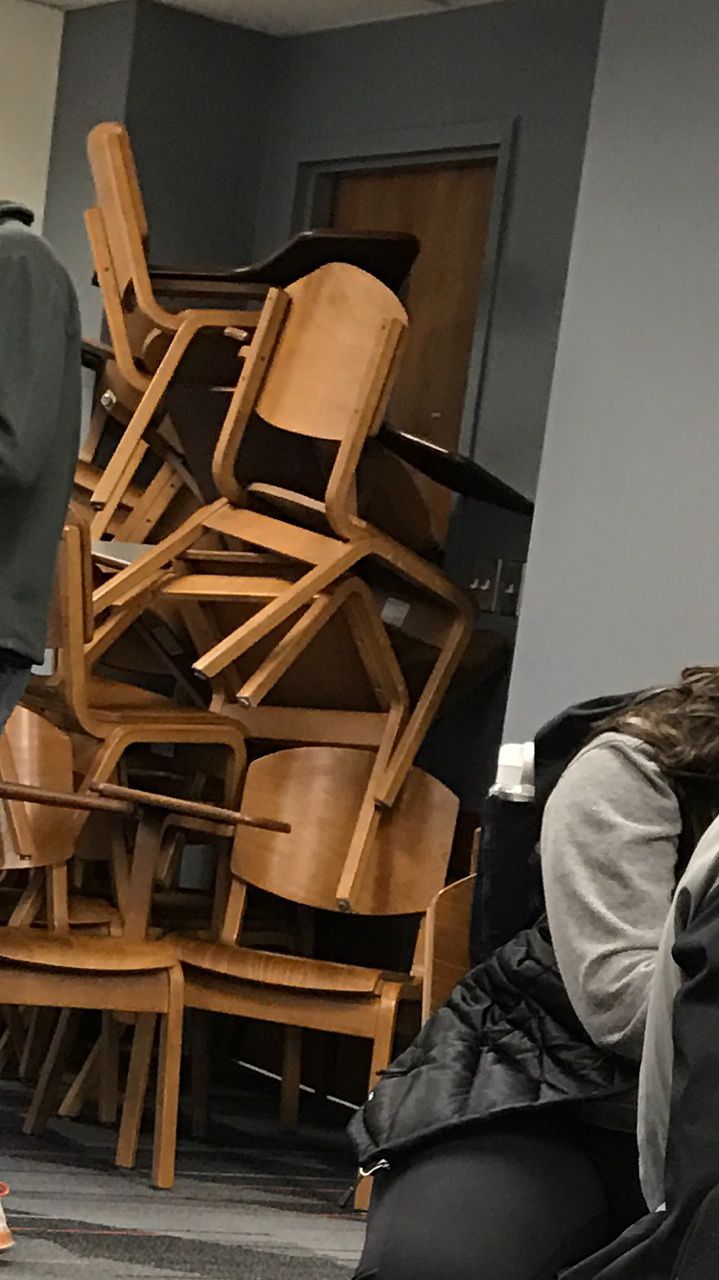
When they learned they were on lockdown, Bell said a man in her classroom identified himself as a Marine and said he was trained to handle an active shooter situation. He explained they should block the door, with everyone helping to stack dozens of chairs against the classroom's one entrance. After that, he said they needed to discuss a game plan, such as learning where the building's exits are if they had to run and other variables, such as possibly assisting someone who is handicapped.
Bell said this experience was different from most students and staff on lockdown in the area. Three of her roommates, who were in a lecture hall downstairs in the same building with hundreds of others, said nobody was sure what to do and were unsure at first if the threat was serious.
While texting concerned friends, old classmates and family members, she and those in the classroom with her started hearing about others' experiences and tried to learn what was going on. Despite the notification from OSU stating there was an active shooter, it was later confirmed the suspect did not have a firearm.
"Everybody was so confused," Bell said. "We thought there were two perpetrators."
Another reported fact that turned out to be false was that the suspect or an accomplice pulled a fire alarm at Watts Hall and struck when people were leaving; this was untrue as the alarm had been tripped by mistake and the building had a gas leak earlier.
At around 11:45 a.m., the lockdown was lifted at her building and everyone was allowed to leave. While walking back toward her dorm, she saw a body covered with a white sheet, which was the suspect's.
"Someone lost a life, there's a dead body in there," she said. "We took it for granted that every single day we're going to be all right."
Bell said there was a lot of confusion and misinformation even after she was allowed to return to her dorm nearby on north campus.
She and other students listened to a police scanner feed and recalled hearing police attempting to corner a second suspect in a parking garage; a person was found in a vehicle, but was found to not be involved. Bell also heard about the bomb squad checking out what turned to just be a dropped backpack outside the business college nearby.
Most classes let out around 10 a.m. or just after; one fact she and her fellow students discussed later that day was why the suspect attacked beforehand, when fewer people were in the area.
Bell said Ohio State, with over 50,000 students and staff, is a city of its own and it is easy to feel alone, but on this day, she said people reached out to each other and she discovered personal connections to others on campus.
"It's nice knowing people can still come together," she said.