Julia Wall jwall@newsobserver.com
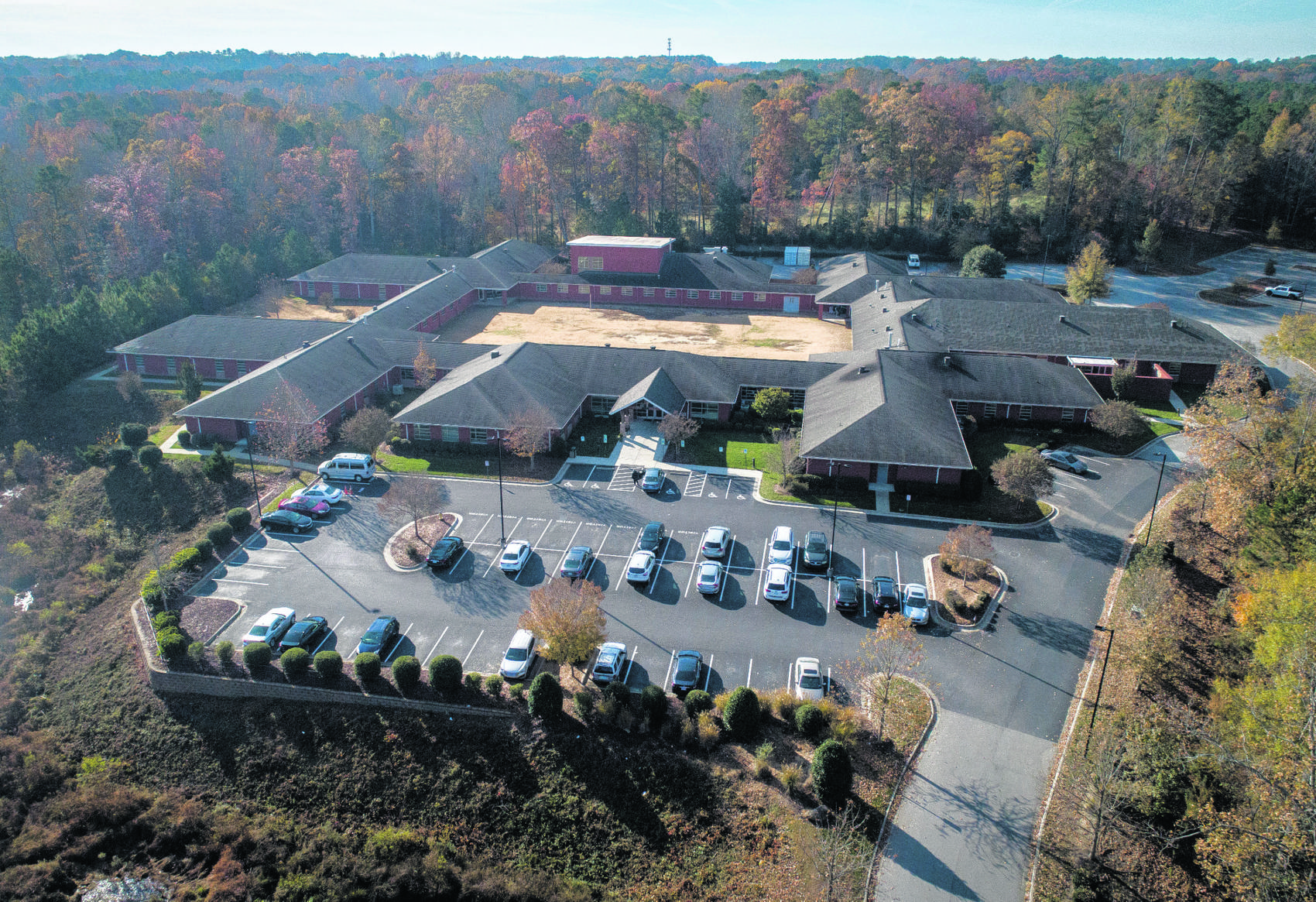
Strategic Behavioral Center, an acute hospital and residential behavioral health facility for children and adolescents, in Garner, N.C.


A psychiatric hospital and treatment facility in Garner for children and seniors is closing after the state found serious care issues and ordered it to no longer admit patients.
Under an agreement signed Friday with the state Department of Health and Human Services, the center will discharge its patients by the end of the month or “as soon as is clinically appropriate for each patient or client.” It has paid $175,000 in administrative penalties, will terminate its participation in Medicare and Medicaid by Feb. 1 and must find a new operator for the center to be in place by June, DHHS spokeswoman Catie Armstrong said.
Strategic can’t be connected to the new operator, which would need to obtain a state license to run the facility, Armstrong said.
Strategic Behavioral Health has been operating the facility since 2012. It includes a 60-bed residential treatment facility for children, and a psychiatric hospital for 32 children and 24 seniors.
Last month, DHHS said it was revoking the facility’s license to operate the residential facility, and suspending admissions to the hospital. This came after inspections found violations ranging from a 16-year-old girl being handcuffed and drugged without proper authorization to a 60-year-old man who had escaped the hospital.
State regulators found widespread staffing shortages and poorly trained staff.
“Patient’s are not getting any treatment, only tele-psych and no therapy,” the site’s former chief medical officer told state regulators on Oct. 11, according to a written report by the regulators. “It’s a hotel. It’s not a hospital.”
One of the state’s findings said Evelyn Alsup, the CEO in charge of the facility, lacked the competence to run it.
Strategic had indicated it planned to fight the state’s actions in state administrative court, according to filings with that office. But those hearings were weeks away, and the state’s actions meant the facility would be largely without patients for much of that time.
Strategic had filed a plan of correction with the state that didn’t dispute its findings, but did in an appeal to the administrative court.
What happens to patients?
A letter Strategic’s president, Blair Stam, sent to employees, which is dated Friday, Dec. 17, said that “due to unforeseen business circumstances” the Garner center was closing at the end of the month. It referred to an agreement with the state on that day “requiring the immediate closing of the facility.”
The letter referred to the state’s refusal on Dec. 3 to lift its ban on admissions, and said the state had found an additional violation. The letter cited the federal plant-closing law — also known as the Worker Adjustment Retraining Notification Act or WARN Act — in notifying employees of the closure.
Staff at the Garner facility transferred a News & Observer reporter’s call to the company’s headquarters in Memphis, Tennessee. The person who answered provided no information. When the Garner facility opened in the Greenfield Business Park at 3200 Waterfield Dr. officials said 250 people would be employed there.
Strategic is a for-profit company owned by Dobbs Management Service, with psychiatric facilities in several states. Strategic also operates the Carolina Dunes psychiatric center in Brunswick County; it closed another center in Charlotte three years ago after the state found serious care issues there.
The state had previously threatened to pull Medicaid and Medicare funding from the Garner facility in 2014, but relented after the facility had made corrections.
State health officials say Strategic has to make “appropriate and safe discharges” for any remaining patients, which includes working with families, guardians, social services agencies and other providers to find proper placements and community services.
NC spending on treatment
The state spends roughly $100 million a year on psychiatric facilities for children. Critics say the facilities do more harm than good by isolating children for long periods of time with little therapeutic treatment. In some cases, children are abused by staff or other patients.
Disability Rights North Carolina, a nonprofit advocate for people with mental and physical disabilities, has been investigating issues at Strategic for several years. Officials there say the state needs to shift its resources toward more community-based services such as intensive in-home therapy.
“North Carolina needs to invest the money it was pouring into Strategic into robust community-based services,” said Corye Dunn, Disability Rights’ public policy director. “That’s the only way we’re going to help kids and families be strong and healthy.”
A recent series in Gannett’s North Carolina newspapers — “Locked Away” — reported serious problems with psychiatric residential care facilities for children in the state.
Armstrong, the DHHS spokeswoman, said the department is working toward the goal of more community-based treatment, and has formed a new Child and Family Well-Being division “to ensure a long-term focus on these issues.”
“Matching treatment with need and focusing on the ultimate benefits to the consumer of the service is key in NC’s approach to mental healthcare,” she said in an email message earlier this month.
Visual journalist Julia Wall contributed to this report.
Dan Kane: 919-829-4861, @dankanenando