

Austin paid nonprofit organizations millions of dollars for family, health and social services they did not fully deliver, according to a city audit that found contractors missed nearly half of the performance targets reviewed.
The Austin City Auditor’s Office examined 25 contracts worth about $30 million and found that nonprofits failed to meet at least one performance expectation in 19 of them, or 76%. Across 151 measurable targets, contractors missed 67, or 44%, including benchmarks for the number of residents served and whether services improved clients’ health or circumstances.
The shortfalls were often substantial. More than half of the missed targets fell at least 40% below the amount nonprofits had agreed to provide. In one contract, an organization agreed to serve 907 clients but served 573. It reported that 73 clients showed improved mental health, compared with a goal of 362.
The audit does not identify any of the nonprofits by name.
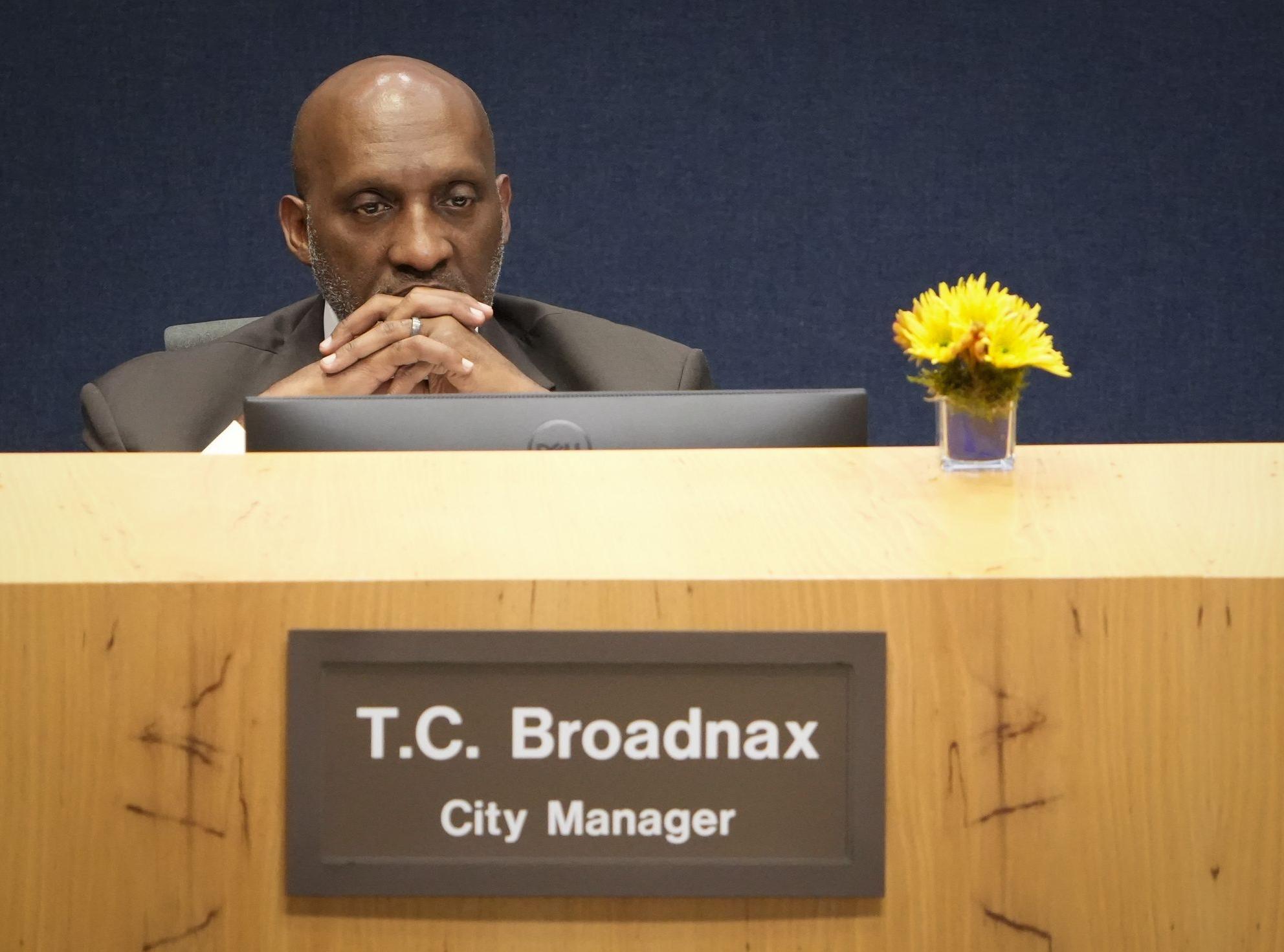
City Manager T.C. Broadnax and his staff proposed a budget to the City Council that would reduce spending on such contracts by more than $5 million.
Broadnax has zeroed in on social services spending late last year after Austinites rejected a council-backed tax rate proposal that would have raised property taxes to fund city initiatives. In February, council directed Broadnax’s office to develop a rubric to decide how to distribute those funding cuts to various social services organizations.
Broadnax proposed a budget last Friday that included $5.1 million in direct cuts to contracts with third-party social service providers with another $2.9 million in cuts from eliminating ongoing city funding for Travis County’s sobering center.
The nonprofit contracts audit focuses on the city’s oversight of nonprofit contracts rather than the amount of money devoted to social services. But its findings could sharpen questions about whether Austin is getting the services it pays for as council members weigh reductions to nonprofit funding and a major expansion of the city office overseeing homelessness policy.
Austin spent about $100 million with 95 nonprofit organizations providing family and social services in fiscal year 2025, according to the audit. The contracts cover homelessness services, behavioral and physical health care, job training, housing assistance and programs for children, families and other residents. Austin Public Health manages most of the agreements, although oversight is divided among several departments.
Auditors found that the city generally establishes performance expectations, requires regular reporting and conducts some site visits. Of 175 contract expectations reviewed, 93% clearly described what nonprofits were supposed to provide, 89% specified how performance would be tracked and 85% included clear deadlines.
But the city usually reimburses nonprofits for expenses such as salaries, travel and operating costs regardless of whether they achieve the promised results. Contractors must explain missed goals, but the city does not consistently require corrective action, reduce payments or impose other consequences.
“As a result, the city fully paid nonprofits that did not meet most of their performance expectations,” auditors wrote.
The audit also found that departments do not consistently conduct detailed evaluations after contracts end or share performance problems with other city offices. Departments complete a basic closeout checklist, but auditors said it does not thoroughly assess the quality of the work, whether deadlines were met, whether the nonprofit provided good value or how well it corrected instances of noncompliance.
Without a stronger evaluation process, the city could renew contracts or award new ones to organizations with known performance problems, the report said.
Auditors recommended that Broadnax designate a lead department to establish a citywide post-contract evaluation process and reconsider the cost-reimbursement model used for family and social service agreements. They also called for consistent performance criteria, consequences for failing to meet expectations and a system that allows departments to review a nonprofit’s past performance before awarding additional work.
Broadnax agreed with both recommendations. In a written response included in the audit, his administration said it plans to expand the city’s contractor evaluation program, standardize the distinction between grants and contracts and centralize contract-compliance oversight in the financial department. Grant compliance would be centralized in the government relations department.
Broadnax’s response also recommends extending competitive bidding and the city’s anti-lobbying rules to social service awards, a change that would require council action.
City audit staff are scheduled to present the findings to the City Council’s Audit and Finance Committee on Monday.