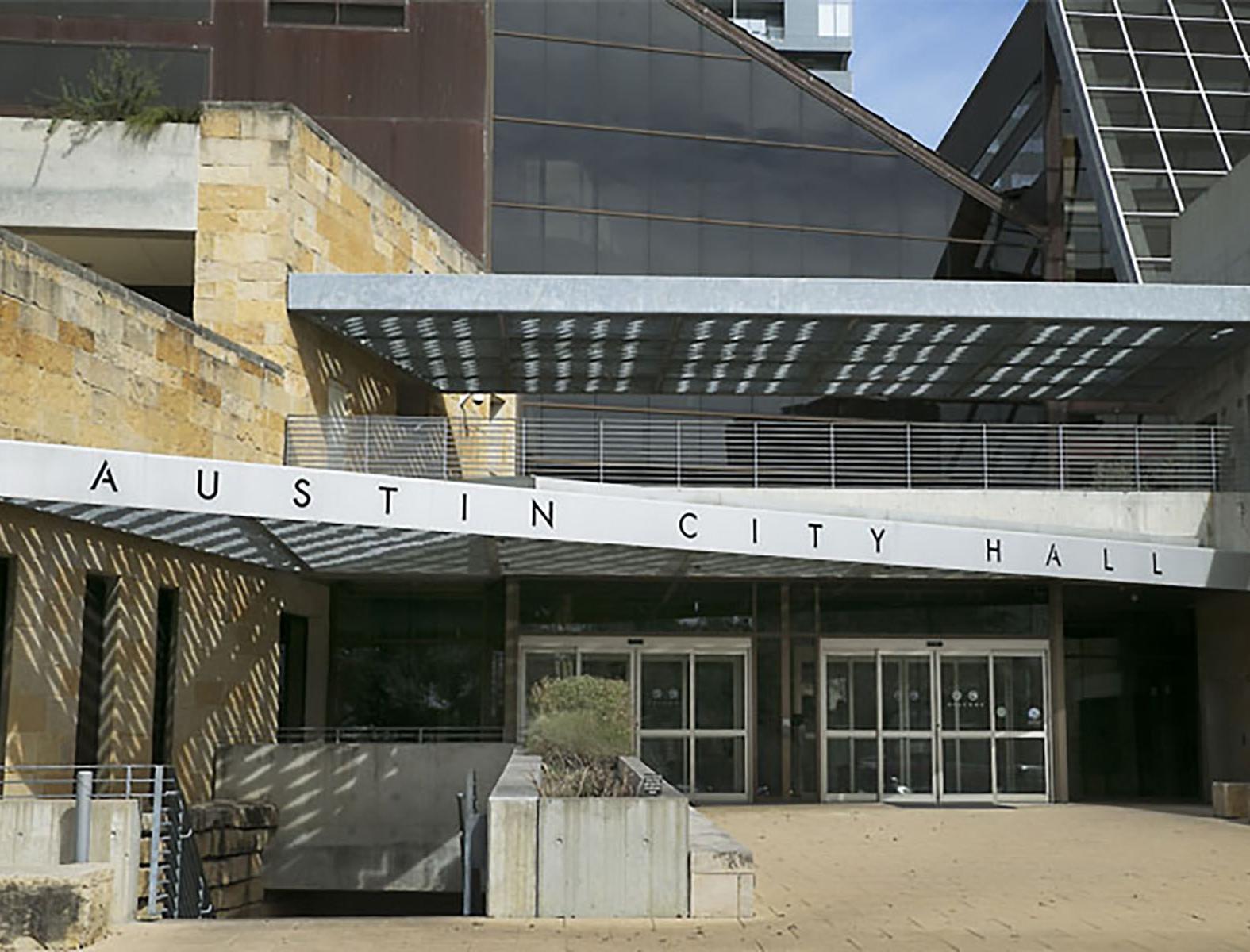


A divided Austin City Council voted to extend 14 contracts worth about $4.1 million with nonprofits that provide services to needy Austinites, including one for a public health program that city staff said had significant performance and compliance problems.
City staff recommended the extensions to maintain services while the city conducts a broader review of its social-service contracts. But Mayor Kirk Watson, who voted against 12 of the contracts, and two City Council members raised concerns about sending millions of dollars to organizations that might have performance issues without sufficient information.
The votes, cast separately on each extension, followed a Sept. 22 presentation on the broader review. But they appear to have come before members received a staff memo detailing concerns with five of the agreements. City records obtained by the American-Statesman show the memo reached council and mayoral offices at 10:52 a.m., nine minutes after the votes ended.
The memo said the most serious concerns involved the Sickle Cell Texas Marc Thomas Foundation, which did not respond to requests for comment. Staff said four other contracts had compliance issues but met performance expectations.
Lacking informationCity spokesperson Kimberly Moore said Watson and Council Member Ryan Alter asked additional questions after the Sept. 22 briefing and that staff issued the memo so all council members would have the same information. She did not directly answer questions about why the memo was sent after the votes.
Alter voted against the Sickle Cell Navigation Program. He said staff told him it had not met its performance metrics after he requested performance evaluations.
“This is in no way a reflection of the work they do,” he said in an interview. “It’s a desire to make sure that if we’re going to be spending these taxpayer dollars, that they’re going to get the services to the individuals that need it, and I want to make sure that we are spending the dollars as effectively as possible.”
The Statesman asked all council offices whether they received staff briefings before the vote and why they supported or opposed the contracts.
Council Member Vanessa Fuentes said she received a staff briefing and that performance information informed her decision to support the contracts. In a statement, she said continuing the services could help residents and prevent higher costs later.
“Cutting social services means more Austinites facing eviction, survivors of violence receiving less care, and falling behind on addressing Austin’s biggest issues,” she said. “By restoring social services and preventing much deeper, long-term costs in emergency rooms, shelters, and courts, we save money in the long run while keeping our neighbors safe today.”
Council Member Marc Duchen said his office did not know about the memo before the vote and called that “highly concerning.”
“My colleagues and I conduct a great deal of independent research, but we must also have timely and accurate information from the City Manager and his staff before decisions like these are made,” he said in a statement. Duchen said the memo’s conclusions were consistent with spending-related questions he and his staff regularly raise.
At the Sept. 24 council meeting, Watson said he was concerned the council lacked enough information to determine whether public money was being spent efficiently and effectively.
“I understand the time limitation to do this review, but stewardship of the money doesn’t allow us to say we’ll just do it, what we’ve been doing and worry about whether we’re doing it right at a later date,” he said.
No other council members commented on the contracts’ performance during the meeting. None asked about them during the council’s question-and-answer report with staff before the vote.
Watson said shorter extensions could have preserved services while giving staff more time for a full review, but staff had not presented that option to the council.
In response to questions about why staff did not propose shorter contracts, Moore said council authorized staff to negotiate and execute contracts for 12 months. She said the terms could be shortened during negotiations if further analysis or direction was needed.
“Securing the authorization prior to the end of the current contract period avoids service disruption,” she said.
Moore said the council approved about $4.1 million for the 14 contract extensions. About $3.4 million comes from the city’s general fund, while $772,392 comes from other sources, including opioid settlement money and federal pass-through funds.
What memo foundThe staff memo identified compliance issues in five of the 14 contracts. For four of those programs, staff said they met performance expectations and addressed community needs despite minor compliance issues.
The issues included late reporting for Mexic-Arte’s Community Art and Screen It programs; difficulty reaching priority populations for Catholic Charities of Central Texas’ Immigration Legal Services and Counseling program, although participating clients had positive outcomes; mixed results for The Alliance for African American Health in Central Texas’ Health Program; and performance slightly below goal for the University of Texas at Austin’s AMEN program.
For the Sickle Cell Texas Marc Thomas Foundation, staff cited “ongoing performance and compliance challenges, including corrective actions and concerns regarding reported performance data.”
The memo also cited inflated performance reporting, unallowable costs billed to the city, ineligible clients served and multiple corrective action plans.
Staff said the program filled a distinct gap in Austin by combining sickle cell education and screening with case management and support for families. Austin Public Health compliance staff planned to monitor the program through monthly check-ins and performance evaluations.
“APH Compliance staff have identified opportunities to strengthen overall performance and alignment with the City’s community health goals,” staff wrote.
Extensions backedMoore said staff weighed the contract concerns against the potential disruption to essential services and the effects on people and families who rely on them. She said the Sickle Cell program combines education and screening with case management, care coordination and practical support.
“This is one of the only services to this particular community at this level (supporting client AND family) so a gap in services would be very disruptive,” Moore said.
The Sickle Cell program received a one-year extension worth $349,710, bringing the agreement’s total value to about $3.03 million.
Nonprofits respondKara Henderson of Catholic Charities of Central Texas said the city memo did not include enough detail for the organization to provide further clarification or comment.
“We remain committed to achieving our contracted positive outcomes and serving our clients as we have since our founding in 1999,” she said.
The Statesman contacted the other nonprofits whose contracts had performance or compliance issues but did not receive responses.
Duchen said he was assessing the memo’s impact and weighing next steps.
“I’ve long said City Hall needs to start spending taxpayer money in a more responsible and transparent way,” he added. “What happened today proves that point.”
The council approved one-year extensions for the following contracts, most through Sept. 30, 2027:
• Mexic-Arte Community Art and Screen It: +$135,000 (total: $911,720)
• Sickle Cell Texas Marc Thomas Foundation Navigation Services: +$349,710 (total: $3,032,345)
• Central Texas Food Bank Eastern Crescent Mobile Pantry: +$162,000 (total: $762,000)
• Catholic Charities of Central Texas Immigration Legal Services and Counseling: +$188,872 (total: $2,060,036)
• American Gateways Legal Pro Se: +$161,280 (total: $628,780)
• Texas Harm Reduction Alliance Peer Support and Education: +$600,000 (total: $3 million)
• Get Up Project API Health Navigation: +$135,000 (total: $635,000)
• The Alliance for African American Health in Central Texas Health Program: +$105,879 (total: $1,332,813)
• University of Texas at Austin Mama Sana/Vibrant Woman: +$368,050 (total: $4,632,994)
• American Gateways Immigration Legal Representation: +$378,000 (total: $3,414,505)
• University of Texas at Austin Advancing Mental Health and Emotional Nourishment (AMEN): +$160,816 (total: $1,456,282)
• Catholic Charities of Central Texas Filing Fee Assistance: +$126,720 (total: $579,920)
• Austin Travis County Integral Care Housing Opportunities for Persons With AIDS: +$172,392 (total: $942,048)
• SAFE Alliance Victim Services and Bridge to Safety: +$1,084,975 (total: $11,838,517)