

Election security is none of the president’s business.
The Constitution does not give the executive branch power over elections. It leaves the machinery of elections largely to the states, subject to limited congressional authority over federal election dates, certain procedural requirements and the enforcement of constitutional rights.
That arrangement is not a relic from a bygone era. It is a feature of self-government, protected through the structure of our republic.
Elections are run by the states because the states created the federal government, and not the other way around. States reserved control over their elections, and the people of each state get to decide how their own elections work.
If the voters of a state are comfortable with widespread voting by mail, that is their choice. Suppose a state allows ballots postmarked by Election Day to arrive several days later. Suppose that means the result is not known for days or even weeks. Fine. There is no constitutional right to know the results of an election before going to bed, and no serious government business is impacted by delay.
On the other hand, if voters in a different state prefer same-day voting, strict deadlines, voter identification and results before bedtime, that is also their choice.
Federalism allows states to make different choices, including choices other states regard as foolish, inefficient or insecure. That is federalism.
That’s also why Texas Attorney General Ken Paxton had no standing to sue over Pennsylvania’s election procedures after the 2020 presidential election. Pennsylvania’s election laws, and even Pennsylvania’s compliance with its own election laws, are the business of Pennsylvanians, not Texans.
The voters of each state decide what they value most: speed, access, security, convenience, verification or some combination. Those choices involve tradeoffs. The citizens who live under those rules are the ones entitled to make them — even if those choices create unnecessary vulnerabilities.
That’s why, by the way, the assertion that the 2020 election was stolen is not only wrong, but irrelevant. It’s irrelevant because, once the states certified their electors, it was over. It doesn’t matter how or why they certified their electors — it only matters that they did. States certify their electors by any means they choose, even if those means seem questionable to you. Once states certify their electors, there is nothing left to decide.
The fact that you don’t like another state’s rules, or especially the fact that a president doesn’t like the way states run their elections, does not empower the federal government to intervene.
We need to get this straight before the 2026 midterm elections.
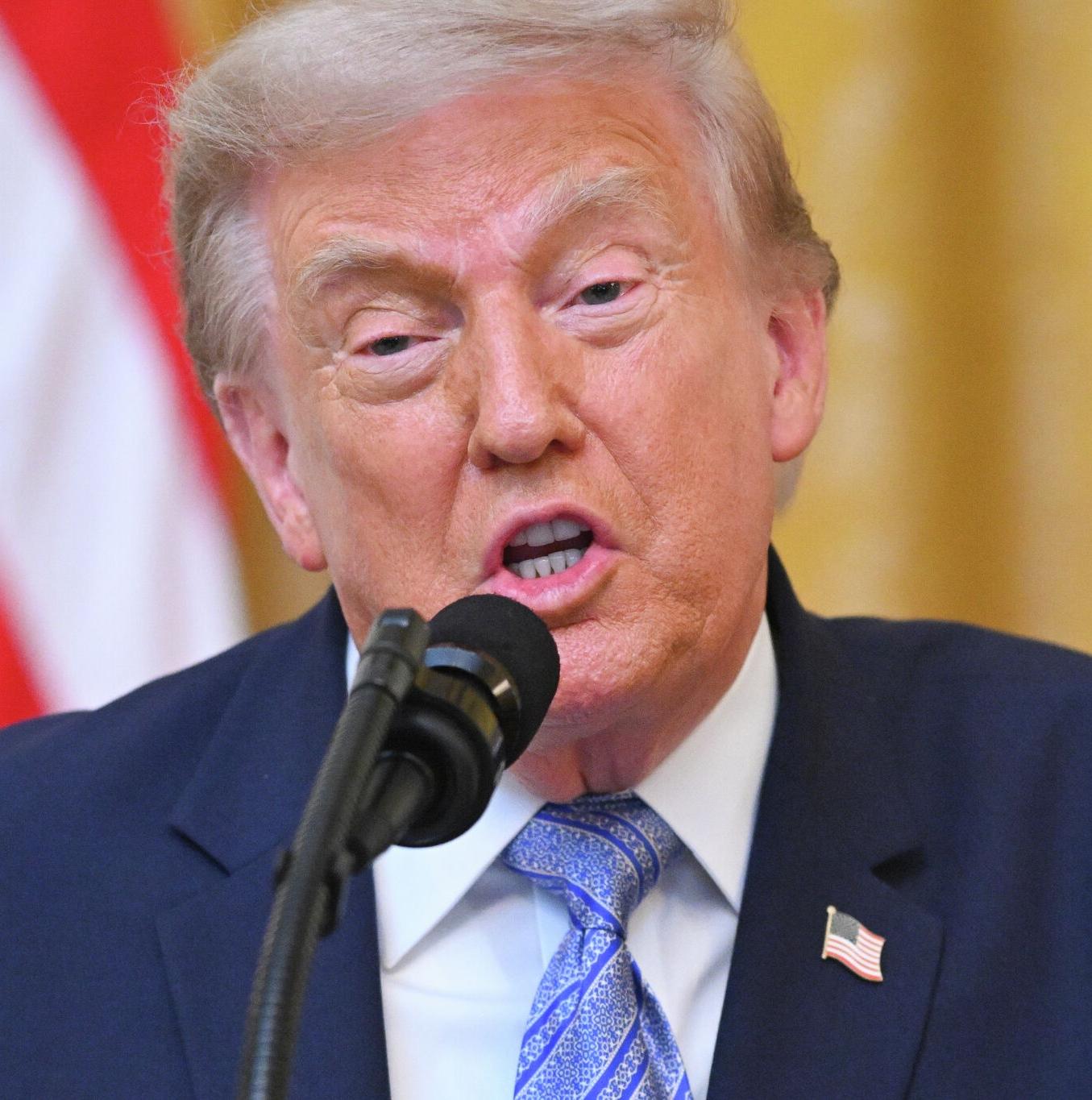
President Donald Trump has repeatedly attacked election procedures he dislikes and has never accepted the legitimacy of the 2020 result. He has made passing the SAVE Act, which would set new federal standards for state-run elections, his top legislative priority. States should prepare now — not after a confrontation begins — for the possibility that his administration may attempt to interfere with state elections.
That interference could take many forms: demands for access to voter rolls, pressuring state officials, attempts to station federal monitors at voting locations or even efforts to seize ballot boxes, voting equipment or election records.
States need to stiffen their spines now. It doesn’t require much imagination to see that Trump may be setting the stage to keep his options open to subvert state elections.
Governors, attorneys general and secretaries of state should review their legal authority, secure voter data, clarify chains of custody, establish procedures for resisting unlawful federal demands and prepare emergency litigation in advance. They should not wait until federal agents arrive, ballots are threatened or the president manufactures a crisis.
Republican officials especially must understand that federalism is not a slogan to be used only against Democratic presidents. If a Democratic administration attempted to seize ballots in Texas, Republicans would be outraged. It doesn’t become just constitutional because Trump orders it in Pennsylvania.
The Constitution gives states control over their own elections. Executive branch interference in state elections is a violation of separation of powers. If Washington attempts to influence or take control of state elections, the states should resist, for the sake of the Republic.
Tom Giovanetti is president of the Institute for Policy Innovation, a conservative, free-market public policy think tank.