

Spokane tribal member Margo Hill said the milestone America will mark as July 4 is “a drop in the bucket” compared to the long history of those who first called the land home.
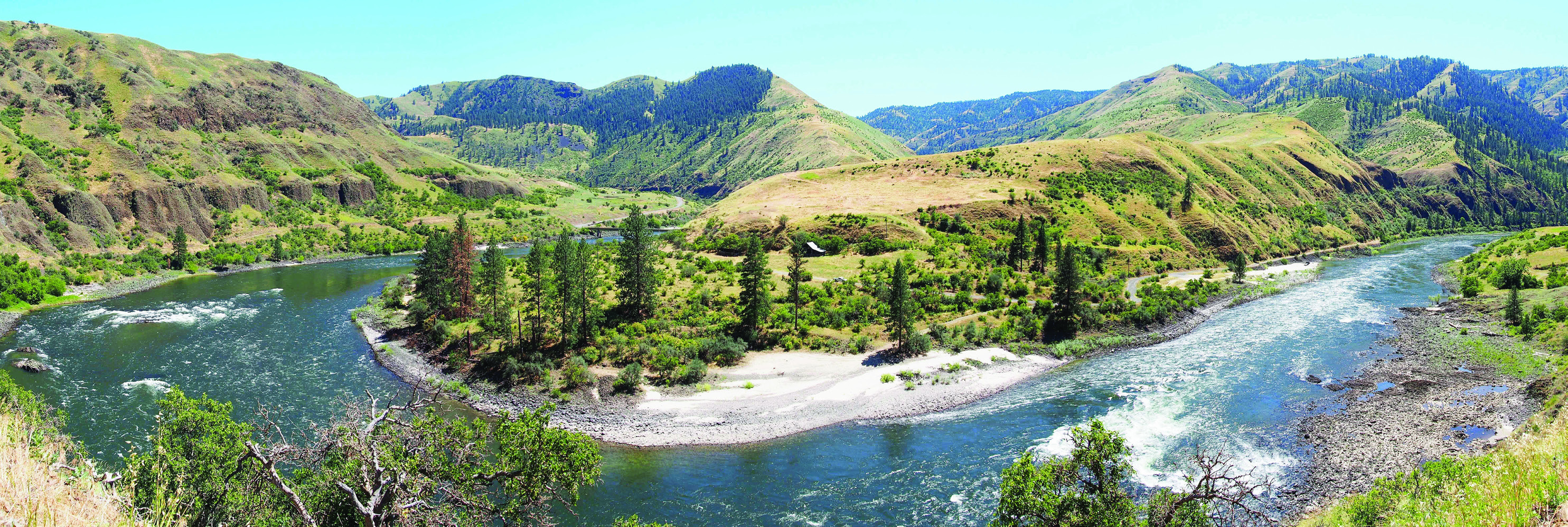
Regionally, the Spokane Tribe can trace its roots to the tail end of the Missoula floods. Archaeological records confirm the Coeur d’Alene have occupied the Inland Northwest for at least 10,000 years. The Nez Perce can point to the discovery of 16,000-yearold tribal artifacts at Cooper’s Ferry that changed science’s understanding of human occupation of North America.
“Compared to the tribal history, it’s a relatively short period of time,” said Samuel Penney, longtime chairman of the Nez Perce. “Tribal members have always stated that the tribes have been here since what they called “time immemorial.”
The relationship between the nation marking a milestone and its first inhabitants has been rife with conflict, faulty promises and trauma. Ways of life passed down for generations were upended as the U.S. came to fruition.
Cultural and governmental autonomy, native languages and ancestral lands were overridden, rooted out in government education programs and taken by force in what was a relatively short time period.
As such, celebrating the semiquincentennial is complicated for many Indigenous Americans, Hill said. She’s a professor at Eastern Washington University and a former Spokane tribal attorney and judge. She often tells her students that the principles the country was founded on, like freedom of religion, freedom to organize and freedom of speech, took decades to be granted to tribal members.Indigenous people didn’t become citizens until the Indian Citizenship Act of 1924.
“All of those things that we hold sacred, Natives were attacked over and over again for,” Hill said. “So it’s a real complex situation for American Indians in this country.”
Chairman and Chief James Allan of the Coeur d’Alene Tribe noted that the history of conflict, and the work to gain “respect, equal footing,” is closer than some realize.The 100-year anniversary of the citizenship act just passed. He finds himself reflecting on how far tribes have come as the nation’s 250th anniversary approaches.
“I mean let’s face it, I mean, we don’t fight on the battlefield anymore,” Allan said. “We fight inthe courtrooms and in offices and all these things.”
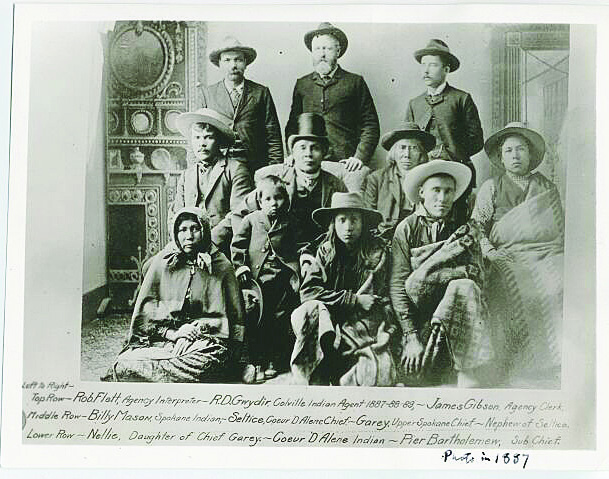
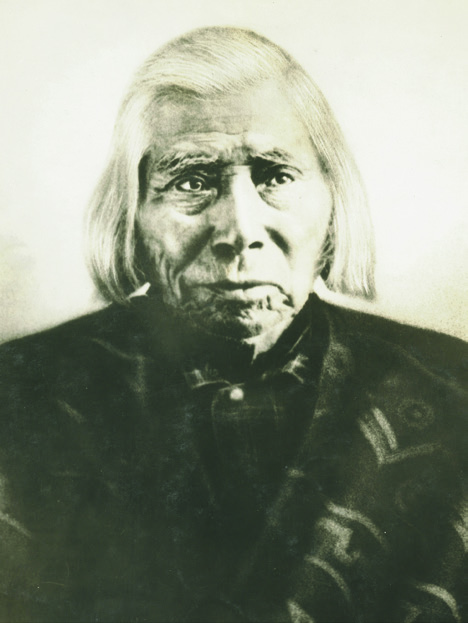
Hill said local residents don’t need to look far for an example of how Indigenous people’s rights were abused. The city of Spokane and the tribe’s namesake, Chief Spokane Garry, was a man of stature in the early 1800s.Born as the Inland Northwest rapidly changed, he became a de facto spokesman for local tribes after learning French and English at a Canadian boarding school. He advocated for peace even as relations strained with white settlers.
In 1883, the Spokane County plot he farmed for more than 30 years was stolen by Joseph Morscher, a German immigrant.The justice system at the time provided no relief for the tribal leader. He died, landless, nine years later.
“And he was doing everything like white people wanted, teaching Christianity, being ‘civilized,’ ”Hill said. “He was a diplomat that protected white settlers in Spokane.”
A 2021 study covered in the academic journal Science found Indigenous people in the United States have lost nearly 99% of the land they historically occupied.
The same dataset also shows the tribes were moved to lower value, less economically viable areas, which continues to have effects on economic mobility. Modern tribal lands, like the Spokane Reservation between the Columbia and Spokane rivers, face an increased risk of climate change hazards, like extreme heat and drought.
The Coeur d’Alene, like many tribes across the country, are working to buy back and restore some of its former territory.More than 80,000 acres are now under tribal stewardship, which benefits future generations of tribal members and the broader region alike, Allan said.
“We didn’t want to get pushed out of existence, you know, kind of the Native Hawaiians who live there,” Allan said. “Theycan’t even afford to live on their own land and that’s something that I really put to heart.”
Warren Seyler, a Spokane tribal member, has spent the last nine years teaching tribal history to groups of students, business leaders and museum experts. It’s a side project of his that sprouted out of what he saw as a gap in understanding of the region’s first caretakers, among both tribal members and the general population, he said. He estimates he’s talked to about 18,000 people over the last decade.
“My message to all those, especially the high school students or middle school students, is they need to learn the history of the land in which they live,” Seyler said. “Some of that history is hard to hear, but it’s still the truth, and you shouldn’t shy away from the truth.”
The tribes lost more than land. An estimated 10 million Indigenous people inhabited North America before contact with European settlers. The population declined rapidly, with historians believing the population of the Americas fell by 90% in the first century after European arrival to the continents, driven by disease, battles and resource loss.
“And when they couldn’t kill us, it was cultural genocide,” Seyler said. “Wipe any understanding or knowledge or education about Native Americans from the face of America.”
It’s a long, conflict-strewn history, and Penney said some of the fights are still ongoing.Presently, tribes are working to have the federal government uphold its treaty commitments as funding for healthcare, education and criminal justice is under attack.
Allan said the Coeur d’Alene Tribe continues to advocate for the region’s natural resources, as environmental protections are rescinded by the Trump administration as it did when launching a lawsuit in 1991 that sparked the Superfund cleanup of mining waste. He hopes people keep in mind their responsibility to the land, and take a note out of the tribe’s book, as the celebration of the 250th approaches.
“Regardless of what political spectrum people are on, we are living in a time of change,” Allan said. “People don’t want to admit that there’s all kinds of things going on.If we were in balance, we would be able to feel that and see that.”
Hill notes water rights and efforts to develop public infrastructure still are being challenged, like in the 2023 decision where the Supreme Court ruled against the Navajo and said the government did not have a responsibility to secure water for the tribe.
The need for Seyler’s work is evidence of the loss and trauma experienced by Indigenous tribes, he said. Assimilation policies wreaked havoc on mother tongues, cultural practices and oral histories. It’s exacerbated by a documented diminishing of tribal history and underfunding of Indigenous education programs.
In 2015, the Washington Legislature and then-Gov. Jay Inslee appeared to agree when they enacted into state law a requirement for K-12 schools to implement Indigenous history programs.
There are lessons in the complicated history of the U.S. government, settlers and the Indigenous tribes that can help Americans as they ring in the 250th, Seyler said. He stands by the old adage that history is doomed to repeat itself, so he believes brushing up could help set a new course and build bridges at a divisive time in American politics.
“We just want them to recognize what’s been done to understand the true history of this land, and so when that is done and that is realized, then the two sides might be able to meet in the middle,” Seyler said.
Hill, and most everyone interviewed for the article, agreed with Seyler.They want modern Americans to know the history of the land the nation sits on, and those who’ve called it home for thousands of years. They want the trauma to be understood, respected and their contributions noted.
“We want what other Americans want,” Hill said. “To be able to raise our families and have good jobs, and to be able to practice our tribal culture and speak our language.”
Healing efforts are underway; Hill pointed to the Salish school, which is helping to revive the Spokane language.
The entire nation has and will continue to benefit from Indigenous ingenuity and sacrifice, Penney said. The Nez Perce selectively bred the Appaloosa horse, an icon of the American West. Today, Penney noted tribal fish restoration programs benefit sportsmen, while also allowing the tribe to keep up cultural traditions.Tribes across the Northwest have similar programs in place in response to dams and public infrastructure projects that disrupted the ecosystem they relied on for generations.
Indigenous Americans serve in the U.S. military at the highest per-capita rate of any demographic, with about 19% having served at some time, according to the U.S. Department of Defense. Allan said he’s proud of that fact.
“When it comes to duty, our people have always answered the call,” Allan said. “Some of our greatest leaders for our tribe are veterans.”
“You ask them why they went into the service, a lot of them say mainly to defend their homeland,” Penney said.
Those contributions date all the way back to the nation’s roots, when the Founding Fathers drew inspiration from the Iroquois Confederacy in penning the Constitution, Seyler and Hill noted.
“Think about what it took in all those 250 years,” Seyler said. “It wasn’t just about the Revolutionary War. It was from that point to now.”
Nick Gibson can be reached at 509-459-5039 or by email at nickg@ spokesman.com.