

The first thing Jennifer Davie does when York County families come to her seeking housing assistance is listen.
She asks about the circumstances that led them to the brink of homelessness. Often, it’s something as simple as losing a job or paying for unexpected car repairs. Lately, she says, many households have struggled after a family member was detained by federal immigration authorities.
“Most of the time, it’s an acute situation that’s happened,” said Davie, a housing coordinator for the York County Community Action Corporation.
Over the past several months, the Biddeford School Department and YCCAC have worked together to help 84 at-risk York County families secure stable housing through a new state program aimed at helping students avoid homelessness.
The Maine Housing Student Homelessness Prevention Pilot, which took effect in 2025, distributed $2 million across several at-risk school districts in the state.
Biddeford received $275,000 of that funding in March and has since been working with YCCAC to secure stable, safe housing for at-risk students in Biddeford, Saco, Old Orchard Beach, Sanford and the Massabesic school district, which includes Waterboro, Shapleigh, Lyman, Limerick, Newfield and Alfred.
“Kids who are in stable housing are less stressed, more likely to attend school and more likely to be fed,” Biddeford Assistant Superintendent Chris Indorf said. “The more families we can get housed, it’s better for everyone.”
HOW IT WORKS
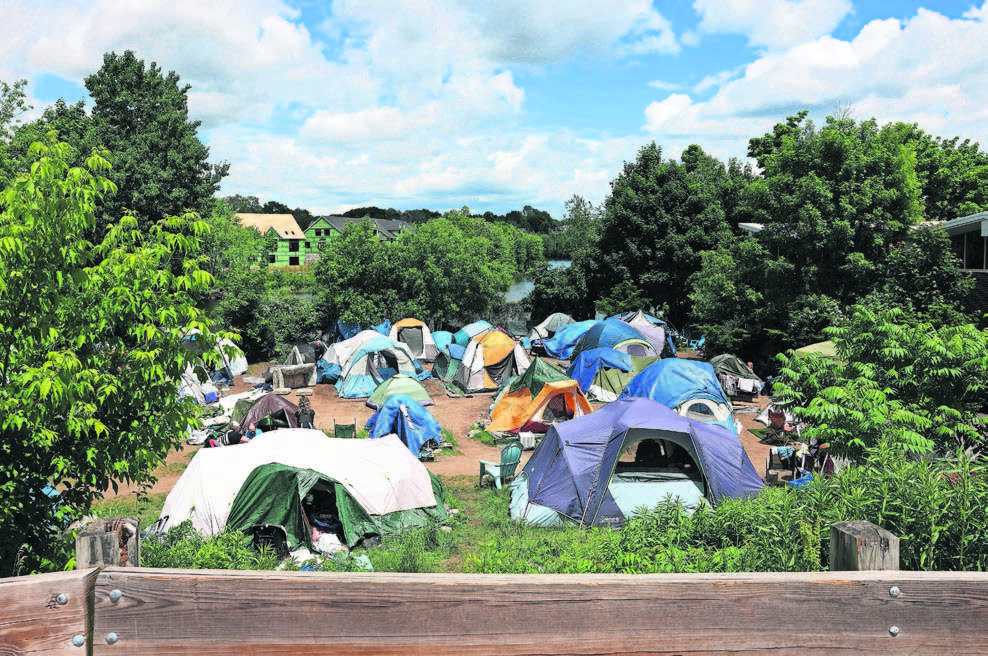
For housing-insecure families in the Biddeford area, options are limited. York County’s last homeless shelter closed in 2025.
The only nearby family shelter is in Sanford, and space there is limited. And staying in a shelter in another city can cause more problems, including transportation gaps and the lack of a familiar environment.
Teachers and school staff are knowledgeable about which students are at risk, Indorf said, and are able to get resources like YCCAC involved.
The 84 families assisted by the program so far were recommended to the school district and YCCAC by caseworkers, General Assistance administrators and other York County organizations.
Families are eligible for up to $750 per year in assistance from the program.
In order to qualify, families must meet the McKinney-Vento definition of homelessness, meaning the students in the family lack a “fixed, regular and adequate nighttime residence.”
In practice, that includes students who are homeless, are couch-surfing or sharing housing, or are living in motels, hotels, trailer parks, campers, vehicles and emergency shelters because of a lack of alternatives.
To qualify, families must also prove that they can sustain safe, affordable housing moving forward, Davie said.
The program funding primarily covers security deposits to get families into housing. It can also be used to pay for rent, utility bills or home repairs.
After being approached by a family, Davie and other housing coordinators work with landlords to find suitable housing.
Average rent costs for the families range from $1,300 to $2,000.
“It’s really, really difficult to get rent assistance in the stream,” Davie said. “That resource doesn’t really exist in the way that other resources exist.”
BREAKING THE CYCLE
Each of the five districts involved in the program has a large number of atrisk students, Indorf said, with two out of every three students in Biddeford and Sanford facing poverty.
“We run a network of buses to transport our homeless kids pretty regularly across those districts,” he said.
Old Orchard Beach has significantly fewer students living in poverty year-round, Indorf said, but Biddeford students frequently find temporary housing there.
“We tend to have kids who bounce back and forth between these communities,” Indorf said.
Services centered around ensuring stable housing for students makes a lot of sense for Biddeford, said Jake Hammer, the city’s General Assistance administrator.
“The school is really the gateway for a lot of services for youth and families,” he said. “They’re often the first line of contact.”
One thing teachers can’t do is provide direct food assistance to students. That’s why the Biddeford School Department reserved $10,000 of the state funding for the Education Foundation, which then purchased Hannaford gift cards to be spread across the five districts.
Since the Education Foundation is a registered nonprofit, teachers and school personnel are able to give the gift cards to students who they know could be going hungry over the weekend. “Often, families who are housing insecure are also food insecure,” Indorf said. “We do a pretty good job of putting eyes on and knowing of those families.”
Davie said securing housing is paramount to success for at-risk families, but she hopes the new homelessness prevention program can go beyond housing and inspire communities to find solutions to poverty.
“We don’t talk enough about the connectivity of families living in poverty and the desire they have to break free of the cycle,” Davie said. “I don’t meet families who think it’s fun. They want to grow and learn, and they want to meet people who can help them grow and learn.”
Sydney Richelieu — 207-689- 2851 srichelieu@metln.org