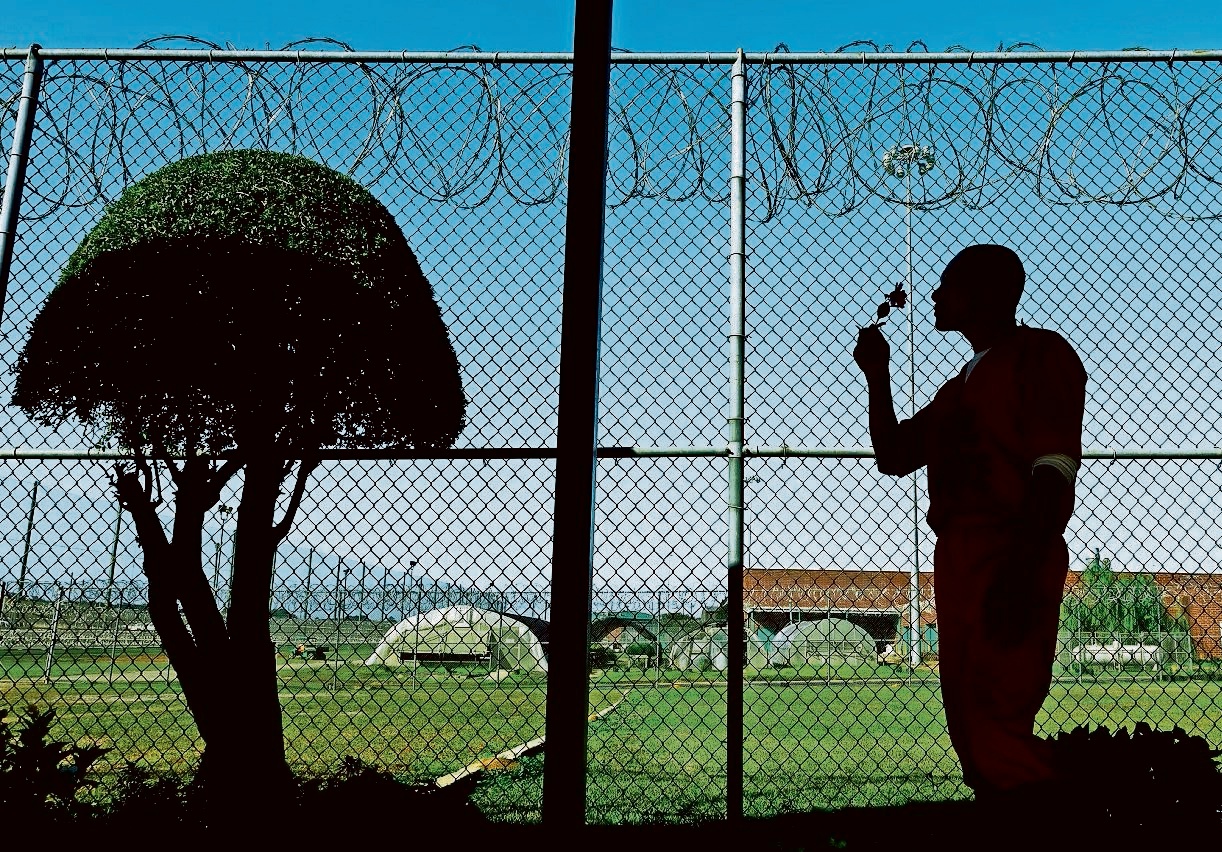


Mr. Chen is an artist. His medium is dirt, a shovel his paintbrush. Even though his art is exquisite, few people will ever get the opportunity to enjoy it.
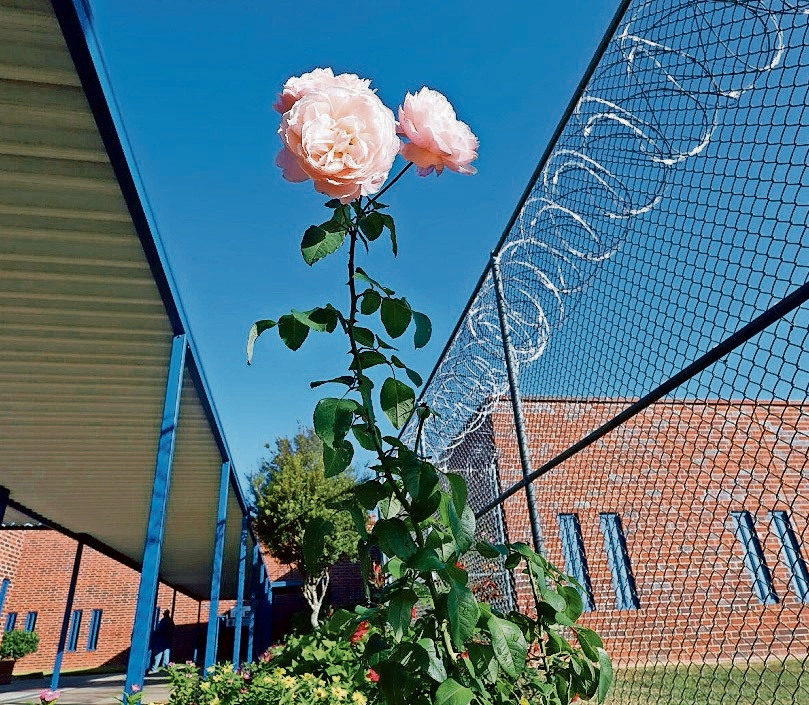
His art gallery is within a world of steel and concrete surrounded by imposing walls, fences and razor wire.
It is an uninviting place. Think raw, hard, impersonal, intimidating, potentially dangerous.
It’s the environment of Broad River Correctional Institution, a maximum-security prison in Columbia that houses 1,100 men who are considered among society’s worst.
In more than four decades, I’ve visited nearly every prison in the state as part of a volunteer Christian ministry, but Broad River in one respect is unique, at least in my experience, because of Mr. Chen.
After a metal detector and body search at the security checkpoint, a visitor gets an identification badge.
An electronic steel door opens to a long walkway leading to the main prison. That’s when a jolting juxtaposition of the senses collides as topiaries and a phalanx of aromatic flowers, hundreds of them in blazing colors lining the walkway, clash with the starkness of prison life.
In a separate garden down from the entrance, birds, bees and butterflies dart among blankets of flowers that lead to death row and the death house.
Shawshank Redemption meets Land of Oz in Mr. Chen’s gardens.
Mr. Chen (department policy prevents publication of full names) is a slightly built 47-year-old man born in China who came to the United States 25 years ago. He is serving a 20-year sentence for first-degree burglary.
Prison officials trust him with his greenhouse, where he propagates an estimated 150 varieties of flowers every year. That translates into thousands of blooms year-round at the prison.
Among his vast collection are three types of roses, native plants such as oakleaf hydrangeas and salvia, zinnias, foxgloves, mums, daisies, amaryllis and irises. That’s just a sampling.
Don’t ask him what flower he likes best; that’s like asking a mother what child she likes best.
He’s taken two horticultural courses, read countless horticultural books and earned his farm worker certificate in prison. He credits his uncle in China for inspiration. “When I was a young boy, he taught me how to take care of flowers,” he told me. “That’s where my passion comes from.”
He gets satisfaction from the reactions of prison staff and families of inmates who walk through his garden to visit their relatives. “It’s real rewarding when they see my flowers and smile,” he said in broken English.
He’s earned the confidence of prison officials. “You can count on him because he takes great pride in what he does,” said Warden Ken Nelson.
“What we’re missing in society is that people don’t take pride in what they do.”
His record is spotless in 13 years of incarceration.
Mr. Chen spends six hours a day with his plants, his “friends” as he calls them. He volunteers in the kitchen on weekends to save food scraps for the compost piles that feed his friends.
He shuns chemical fertilizer.
His lowest time in prison came during the COVID lockdown, when he was away from his friends for months.
“I worried so much about them because they had no one to care for them,” he said. So, he prayed for his plants. It worked. “When I got out of quarantine, I was so excited to see my friends because they were fine,” he said.
He prays a lot. In 2014, he became a Christian after attending a service conducted by prison volunteers. His love of plants took on a new dimension as his faith blossomed. “Christ has given me a new life, and my experiences with growing flowers can help me grow even closer to Christ,” he said. “I need to continue to grow in my faith just as my flowers continue to grow.”
Mr. Chen’s 20-year sentence ends in seven years. He hopes to find work in a garden center or nursery. Unlike most inmates, though, he doesn’t seem to dwell on the prospect of freedom. He has found peace with his faith and his flowers.
Bob McAlister owns a public relations company in Columbia and has a prison ministry on death row.