


NEW YORK — Mary Tyler Moore, whose witty and graceful performances on two seminal television comedies in the 1960s and ’70s helped define a new vision of American womanhood, died Wednesday in Greenwich, Conn. She was 80.
Her family said her death, at Greenwich Hospital, was caused by cardiopulmonary arrest after she had contracted pneumonia.
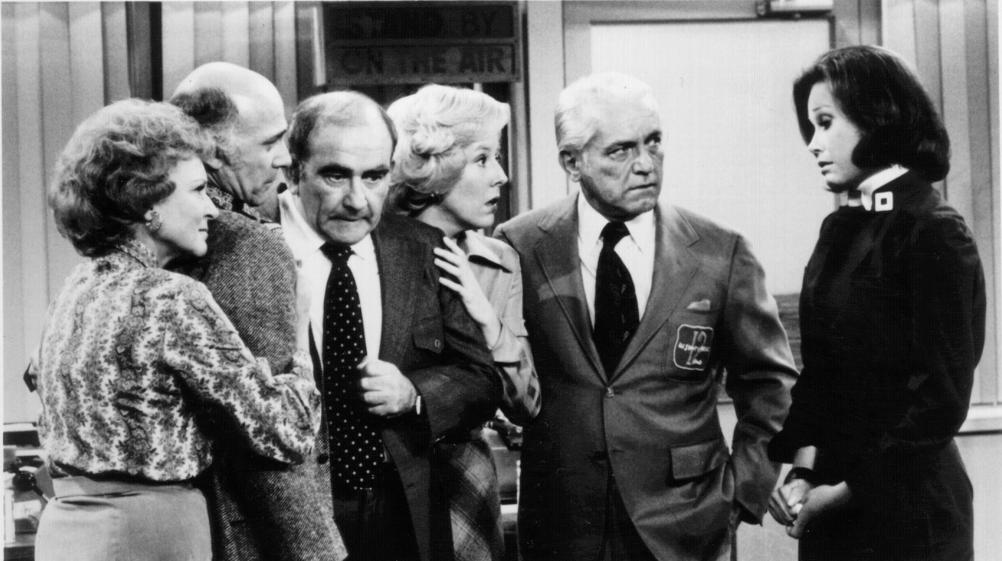
Ms. Moore faced more than her share of private sorrow, and she went on to more serious fare, including an Oscar-nominated role in the 1980 film “Ordinary People’’ as a frosty, resentful mother whose son has died. But she was most indelibly known as the incomparably spunky Mary Richards on the CBS hit sitcom “The Mary Tyler Moore Show.’’ Broadcast from 1970 to 1977, it was produced by both Ms. Moore and her second husband, executive Grant Tinker, who died on Nov. 28.
At least a decade before the twin figures of the harried working woman and the neurotic, unwed 30-something became media preoccupations, Ms. Moore’s portrayal — for which she won four of her seven Emmy Awards — expressed both the exuberance and the melancholy of the single career woman who could plot her own course without reference to cultural archetypes.
The show, and her portrayal of Mary as a sisterly presence in the office, as well as a source of ingenuity and humor, was a balm to widespread anxieties about women in the workforce.
“Mary Tyler Moore became a feminist icon as Mary Richards," said Jennifer Keishin Armstrong, the author of “Mary and Lou and Rhoda and Ted: And All the Brilliant Minds Who Made The Mary Tyler Moore Show a Classic.’’
“She only wanted to play a great character, and she did so. That character also happened to be single, female, over 30, professional, independent, and not particularly obsessed with getting married. Mary had America facing such issues as equal pay, birth control, and sexual independence way back in the ’70s.’’
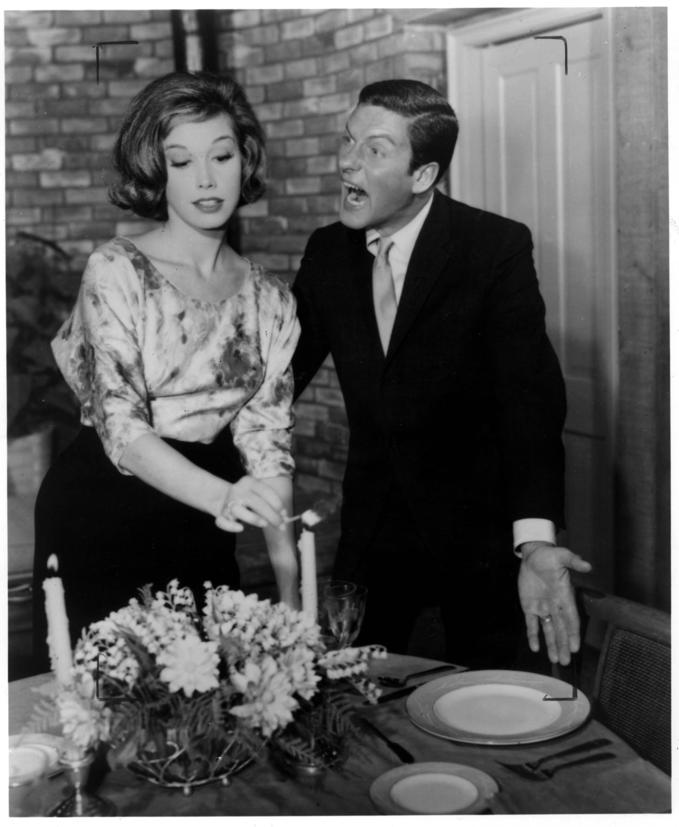
Ms. Moore had earlier, in a decidedly different era, played another beloved television character: Laura Petrie, the stylish wife of the comedy writer played by Dick Van Dyke on “The Dick Van Dyke Show.’’ Also on CBS, the show ran from 1961 to 1966.
She was the lesser star in those days, but she shared Van Dyke’s background in song and dance, and as a comedy duo they magnified each other’s charm. Ms. Moore transformed and tamed the vaudeville style that had dominated sitcoms, perfecting a comic housewifely hysteria in Laura, made visible in the way she often appeared to be fighting back tears. Her “Dick Van Dyke Show’’ performance won her two Emmys.
“I heard something in her voice that got to me,’’ Carl Reiner, who created and produced the show, once said. “I think the fact that Mary and Dick were dancers gave the whole program a grace that very few programs have.’’
A New York native, Mary Tyler Moore was born on Dec. 29, 1936, and moved with her family moved to California when she was 8. Her father, George Tyler Moore, a clerk, and her mother, the former Margery Hackett, were both alcoholics and, Ms. Moore often said, imperfect parents.
The eldest of their three children, Ms. Moore would outlive her sister, Elizabeth Moore, who died of a drug and alcohol overdose in 1978, and her brother, John Hackett Moore, who died of cancer in 1992 after Mary had assisted him in an unsuccessful suicide attempt.
While she was still a child in Los Angeles, she arranged to live with an aunt, choosing to see her parents only on special occasions.
At 17 she was hired to appear in a series of commercials for Hotpoint appliances in the role of Happy Hotpoint, a caped dancing elf in a body stocking. The ad was shown during episodes of “The Adventures of Ozzie and Harriet.’’
In 1955 she married Richard Meeker, a salesman. That same year, she became pregnant, which compromised her effectiveness as an androgynous elf in a fitted costume. Her only child, Richard Jr., was born in 1956. He died in 1980 when a gun went off in his hands.
After the birth of her son, Ms. Moore danced in various television shows before turning to acting. Her marriage to Meeker had dissolved by 1961, and she met Tinker, who was then an executive at 20th Century Fox, in 1962. They were married the same year.
Together they formed MTM Enterprises, and in the late ’60s, they hit upon an idea for a custom-made showcase.
The characters in the show revolved around Mary, whose naiveté and enthusiasm supplied a generous assist for the others’ eccentricities. Just as she had on “The Dick Van Dyke Show,’’ Ms. Moore could always make a joke her own when she needed to — and the episodes that put Mary’s humor center stage were the best.
In “Chuckles Bites the Dust,’’ which is on many lists of the best television episodes of all time, Mary is appalled by her colleagues’ irreverent response to the undignified death of Chuckles the Clown, the host of a children’s show. But at his funeral, it’s she who cannot control her giggles. Her struggle to suppress laughter is a comic tour de force.
“The picture that we all have of her, that’s how she was — sweet, kind, so tender, so delicate,’’ Cloris Leachman, a supporting star on the show, said Wednesday.
Among the show’s many memorable flourishes was its theme song, “Love Is All Around.’’ The lyrics were rewritten after the first season to reflect the show’s optimism and devotion to its star: “Who can turn the world on with her smile?/Who can take a nothing day, and suddenly make it all seem worthwhile?’’
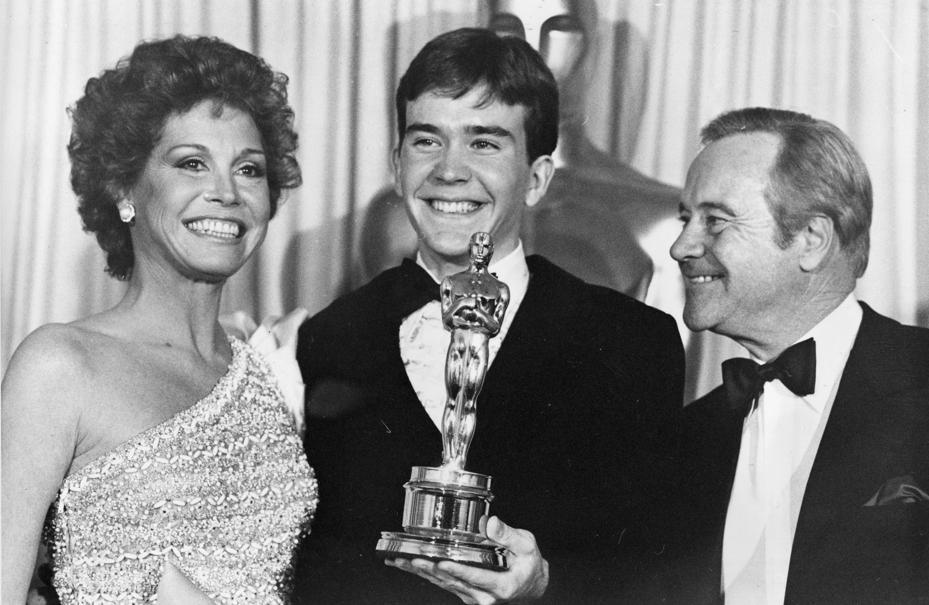
After the show was canceled in 1977 and after several misfires with variety shows, she set out to demonstrate her range as an actress. Her performance as the stony, guilt-ridden mother Beth Jarrett in “Ordinary People’’ brought her a Golden Globe award and an Academy Award nomination in 1981.
“The courage she displayed in taking on a role darker than anything she had ever done was brave and enormously powerful,’’ Robert Redford, the film’s director, said in a statement Wednesday.
In 1980 she won a Tony Award for her performance on Broadway as a quadriplegic who wanted to die in “Whose Life Is It, Anyway?’’ On television she played the cruel director of an orphanage in “Stolen Babies,’’ for which she won her seventh Emmy.
In the 1980s, Ms. Moore admitted to having a drinking problem. It had started, she said, when she was starring in “The Dick Van Dyke Show’’ and had reached untenable levels. She entered the Betty Ford Center for treatment in 1984.
She had had Type 1 diabetes since her 30s and in 2011 underwent brain surgery to remove a benign tumor.
In 2012 the Screen Actors Guild gave Ms. Moore a lifetime achievement award. Ms. Moore and Tinker divorced in 1981, although they remained friends.
In 1983 she married Dr. Robert Levine, a physician, who is her only immediate survivor.
Material from the Associated Press was used in this obituary.

