



It has been a year, that’s for sure. Television was monopolized by the presidential campaign, with the debates between Hillary Clinton and Donald Trump breaking the ratings record set in the 1992 Bush-Clinton race. The noxious contest brought extra edge to late-night comedy, with the likes of Seth Meyers and Samantha Bee relentlessly debunking Trump and with Alec Baldwin triggering Trump’s Twitter ire with his unflattering “Saturday Night Live’’ impression. The election turned the fatuous “Access Hollywood’’ into Exhibit A, and it made cable talking heads squawk with more self-promotional rancor than usual.
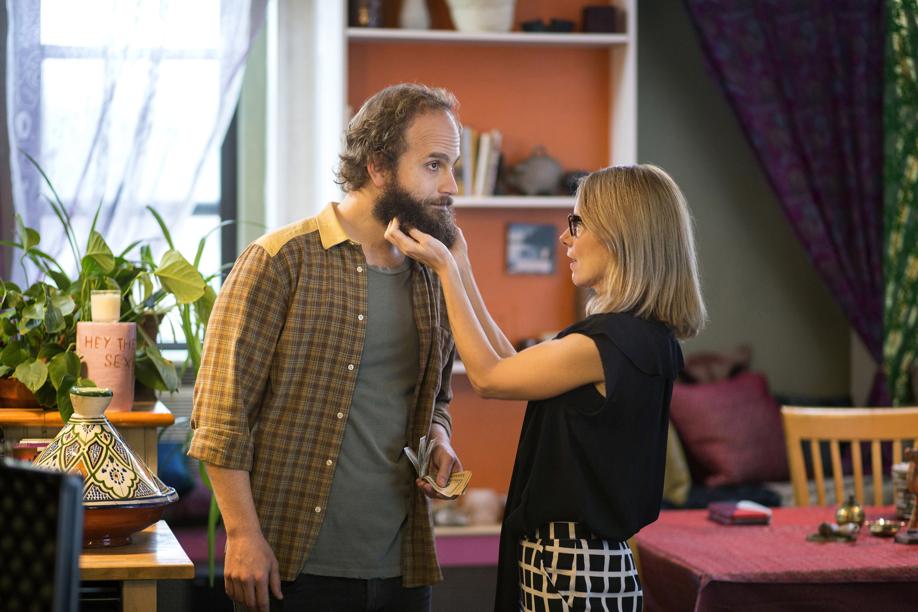
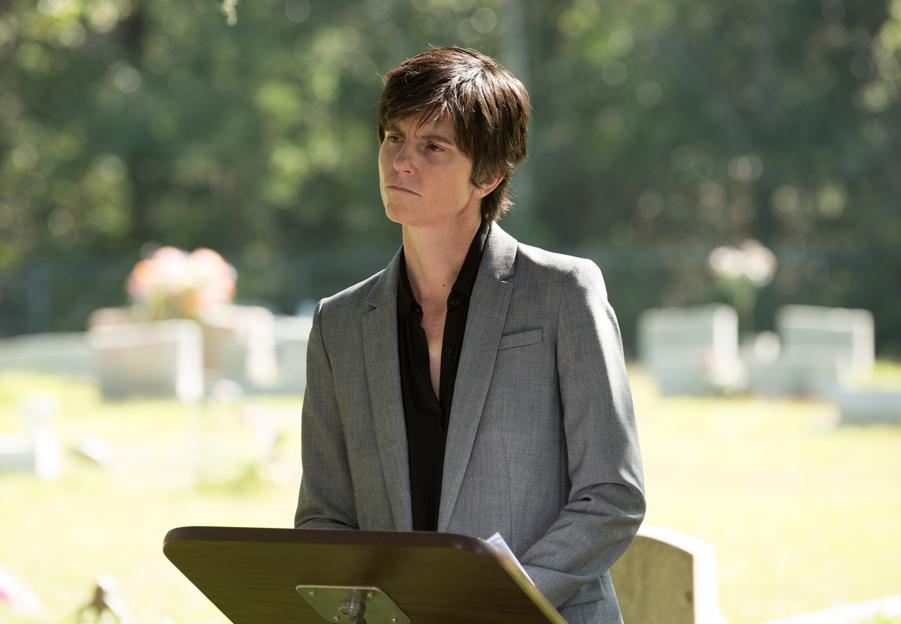
Seemingly in a galaxy far, far away, TV in 2016 was simultaneously digging into a scripted format that is as low-key as the election was loud and garish, as modest in reach as the election was of global importance. The quiet shows, half-hour comedy-drama hybrids including “Insecure,’’ “Atlanta,’’ “High Maintenance,’’ “Better Things,’’ and “One Mississippi,’’ were short-story collections that relied on everyday epiphanies for their power. They were carefully carved slices of life, as far from the election’s messy epic narrative and outsized characters as possible.
In the post-fact era, they were after a ring of truth.
The hybrid genre is far from new, as anyone who watched “Nurse Jackie’’ can tell you. The creators of TV shows have been enjoying the tonal freedoms of comedy-drama for a decade now, coming up with some of the best series in recent years, including “Transparent,’’ “Please Like Me,’’ “Master of None,’’ and “Enlightened.’’ But the latest iteration of the hybrids, most notably “Atlanta,’’ is more introspective and lacking in commercial appeal than ever. These current shows resist the conventions of comedic and dramatic storytelling, never telegraphing their points to help the viewer. You either pick up on their small ironies and soft disappointments or you don’t. They barely have plots, or at least their plot lines hardly suggest what they are about.
You could say, for instance, that “Atlanta’’ was about Donald Glover’s Earn trying to reboot his life by becoming his rapper-cousin’s manager in Atlanta. But that would suggest a more familiar TV rags-to-riches story, which is not what you get at all. As it drifts forward, like Earn, with an almost random sense of direction, “Atlanta’’ is about all kinds of small psychological adjustments by Earn and the people in his life — dealing with shame, becoming a local celebrity, owning the sexism of rap lyrics, looking for a feeling of belonging. At moments, the show is a mood poem to Atlanta, at other moments it’s a full-on surrealistic vision of an imaginary talk show or a night with Justin Bieber, who is played by a black actor. The show is often about race, but usually more inconspicuously, without trying to make big points so much as to paint an authentic portrait.
The role model for “Atlanta’’ and the others, the show that set the tone they’re adopting and exploring, is “Louie,’’ on which Louis C.K. has delivered some of the most enigmatic story lines of the past few years. C.K. has taken his show wherever he has found something that provokes his imagination; likewise Pamela Adlon, who co-created “Better Things’’ with C.K. “Bettter Things’’ is about an aging woman working in Hollywood, I guess. Watching the show, that’s minor business compared to the bits in which Adlon deals with her three very different daughters and her mother. At the end of the season, one of her girls may be trans — but that’s not played out as the destination of the season. It’s just one of many slivers that Adlon and the cast have put out there.
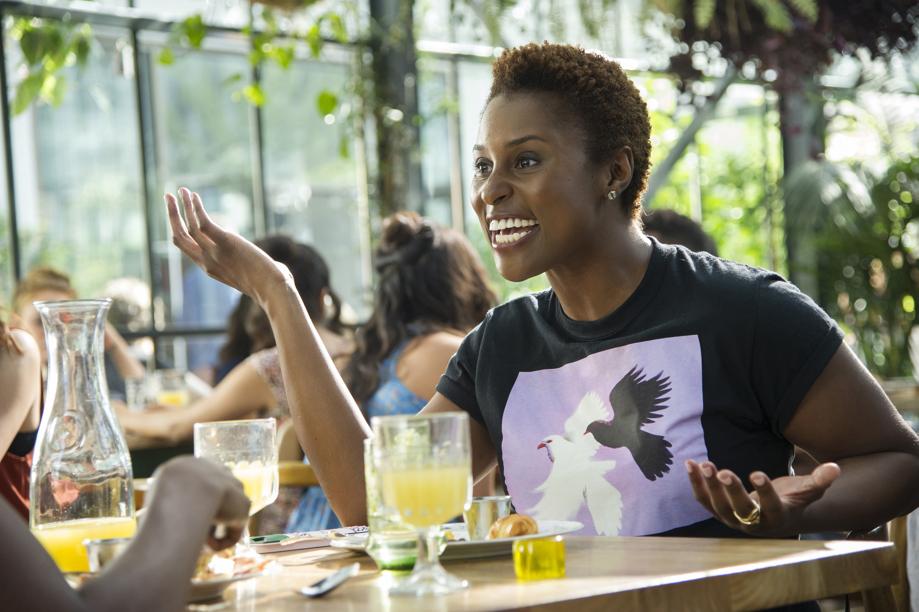
“Insecure’’ had a slightly stronger sense of arc than “Better Things,’’ as our heroine, played so vibrantly by Issa Rae, cheated on her boyfriend, fell back in love with him, and then faced his rejection when he found out. But still, the indie-movie-like joys of the show were more incidental — Issa in her mirror, trying on different personalities, or her best friend feeling threatened by the new, more extroverted black woman working at her law office. The show is a life under a microscope, a look into a specific woman, the things she thinks about, and the way she lives now.
Matthew Gilbert can be reached at gilbert@globe.com. Follow him on Twitter @MatthewGilbert.

