


For years, marijuana consumers had two options for their high: sativas for a more energetic feeling, and indicas — sometimes called “in-da-couch’’ — for relaxation.
But those plant distinctions are almost quaint compared to the plethora of options today. In the fast-moving world of legal cannabis, companies are breaking down and tinkering with the plant’s natural compounds — of which there are many beyond the more well-known THC and CBD — to create products that elicit specific feelings.
Whether you’re going to a party, having trouble sleeping, or suffering pain, there’s a pot product for you. And it might be a tea, a powder, or a dissolving strip.
“The last time we saw something like this was the dot-com era,’’ Henry Finkelstein, CEO of Cannabis Big Data, said Wednesday. “Where phones were in the mid-’90s to where they’ve come today — that’s the trajectory we’re looking at in cannabis.’’
This week, industry leaders at the National Cannabis Industry Association’s conference in Boston buzzed over their new products, which are emerging as brands rush to draw new cannabis consumers such as professionals, baby boomers, and senior citizens.
At stake: a $12 billion legal cannabis industry projected to reach $32 billion by 2022, according to BDS Analytics, a market research firm in Colorado.
In states with fully legal pot, 32 percent of adults said they consumed in the past six months, and the share of adults willing to try it is growing, said Roy Bingham, CEO of BDS Analytics.
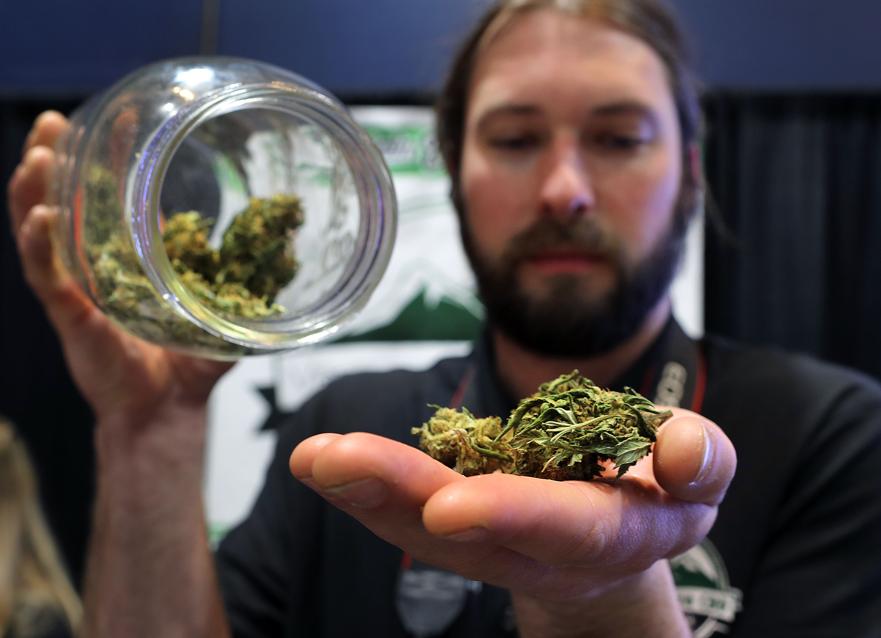
Consumers are increasingly buying edibles and concentrates such as vaporizer cartridges — forms of cannabis that don’t create the strong odor of burnt flower. In California, Colorado, Arizona, and Oregon last fall, about 40 percent of sales were marijuana flower, roughly 35 percent concentrates, 15 percent edibles, and the rest were pre-rolled joints and other products, according to BDS.
“This is the most innovative industry in America,’’ Bingham said, “with the most rapid rollout of new products.’’
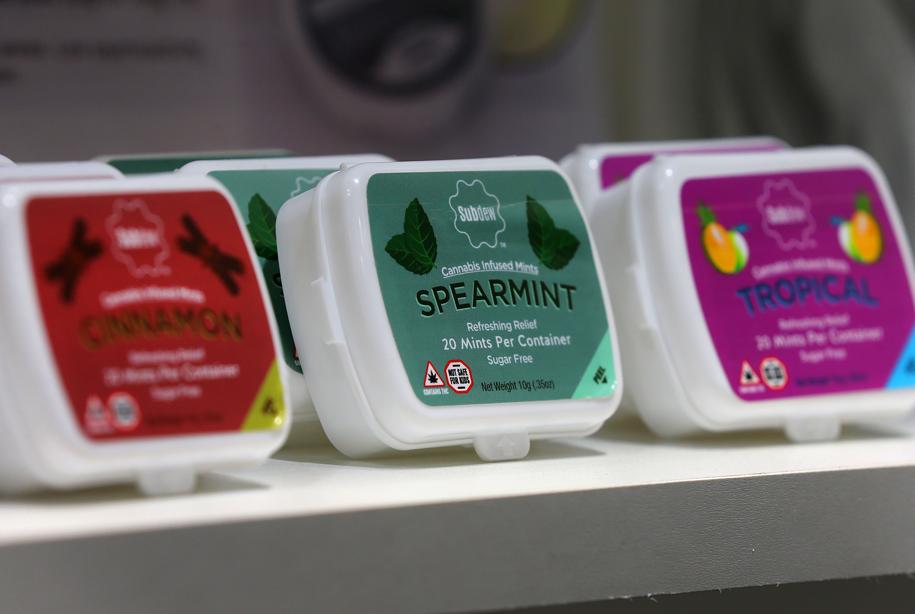
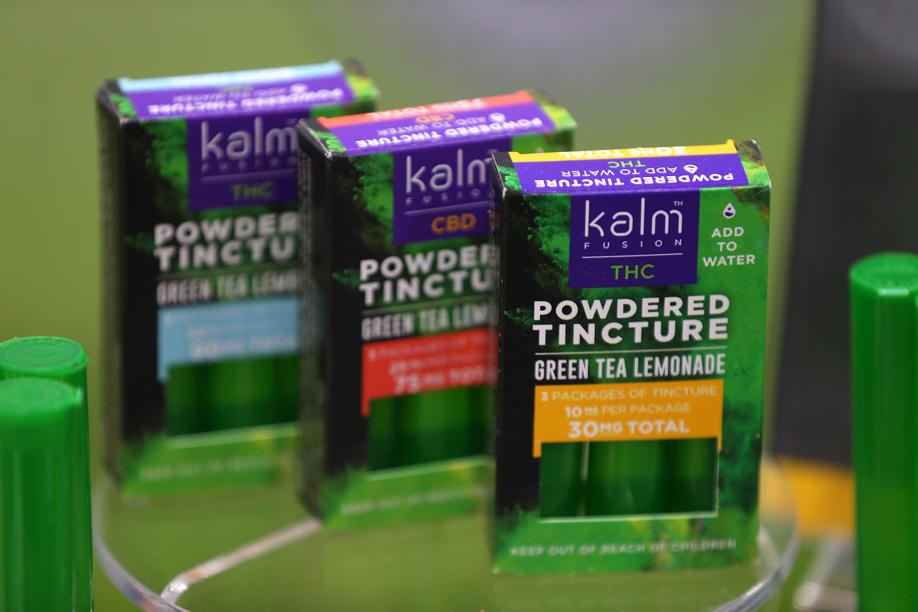
People who are new to cannabis want products with controlled doses and predictable pleasant effects, said Tristan Watkins, chief science officer at LucidMood in Boulder, Colo. Stepping up to fill that demand are a slew of new cannabis ingestion mechanisms — beverages, dissolvable powders, orally dissolvable strips, and even suppositories.
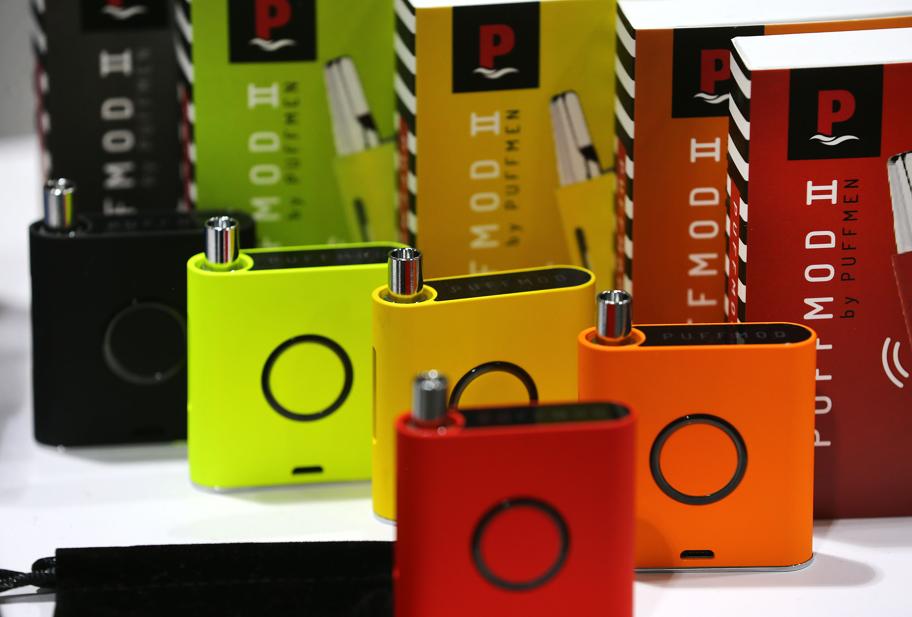
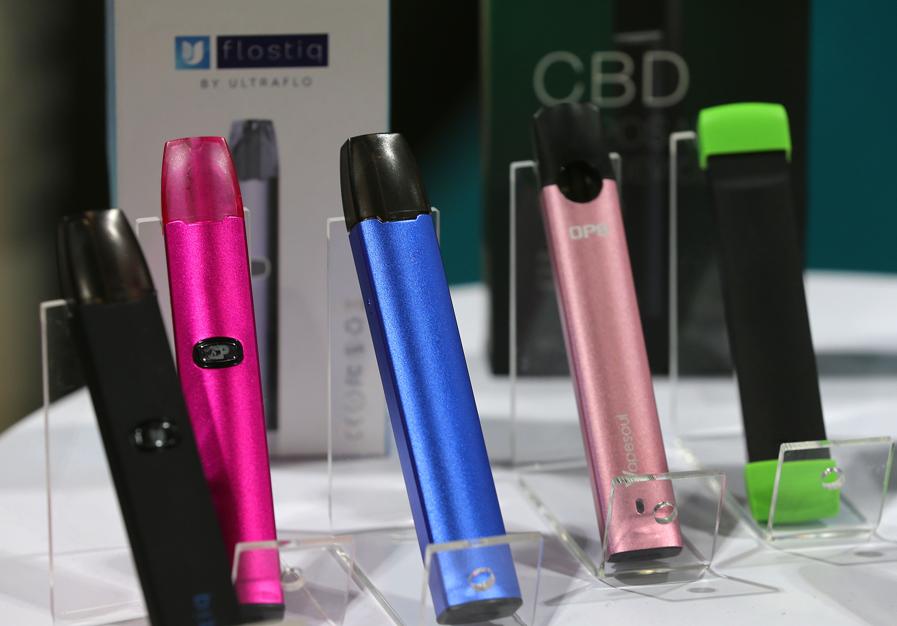
LucidMood so far has stuck to vape pens, which are branded for the desired effect — party, energy, chill, calm, sleep, relief.
“We’re trying to take the guesswork out of choosing the product,’’ Watkins said. “If you’re looking to get super ripped this isn’t the product for you — which is fine that’s not our target, there’s plenty of other companies doing a great job of that.’’
The company’s scientists developed those formulas using terpenes — compounds naturally found in the cannabis plant that affect taste, aroma, and the type of high. For example, Watkins said, terpenes called Linalool and Terpinolene induce lethargy and sleep, while Limonene boosts mood.
LucidMood is developing a mint that would produce an effect within minutes and last for just 45 minutes — because it would absorb through the mouth, not the stomach. That’s far different from edibles, which can take an hour to take effect and last for many hours.
Consumers should expect to see a wave of new products that avoid the gastrointestinal tract, which can cause unpredictability of edibles because of a variety of biological factors, Watkins said. For example, Verra sells a cannabis nasal mist and Mother & Clone carries a sublingual spray.
For women suffering menstrual cramps, companies sell suppositories, topical creams, and chocolates to ease the pain. A suppository by Foria looks like a tampon, tester Marley Russell wrote for Bustle, a women’s news site.
“After around 10 or 15 minutes, my whole painful pelvis suddenly unlocked,’’ Russell wrote. “It was like all my pelvis muscles had been holding their breath and suddenly let it out, all at once. It was magic.’’
Competition is increasing. The top five concentrate brands in Colorado controlled 61 percent of the market in 2015 — now the top five hold a 35 percent market share combined, according to BDA.
Ironically, the industry that began in the black market where dealers carried just one or two types of pot could soon be inundated with too many options. Economists study the “paradox of choice,’’ meaning that consumers love options, but not too many.
“If I walk into a cannabis store and there are zero products I want, I’m not happy. Five, better . . . but 200 is not better than 50,’’ Finkelstein said. “At some point there’s an inflection and suddenly it’s too much, I’m overwhelmed, I’m confused.’’
Massachusetts consumers likely have some time before such problems. Because its industry is just starting, the bulk of cannabis companies based on the West Coast are still trying to enter the market. LucidMood plans to start sales here in April, and they expect to find many more competitors.
Naomi Martin can be reached at naomi.martin@globe.com. Follow her on Twitter at @NaomiMartin.

