


I’m on record as believing national food chains are creating blandness in cities throughout the world. But what, these days, is a chain, anyway — and are they all bad?
Restaurant chains used to be obvious — large multinational corporations like McDonald’s, Red Lobster, and Starbucks. Today, it’s hard to tell; sort of like Justice Potter Stewart’s definition of pornography, you know it when you see it.
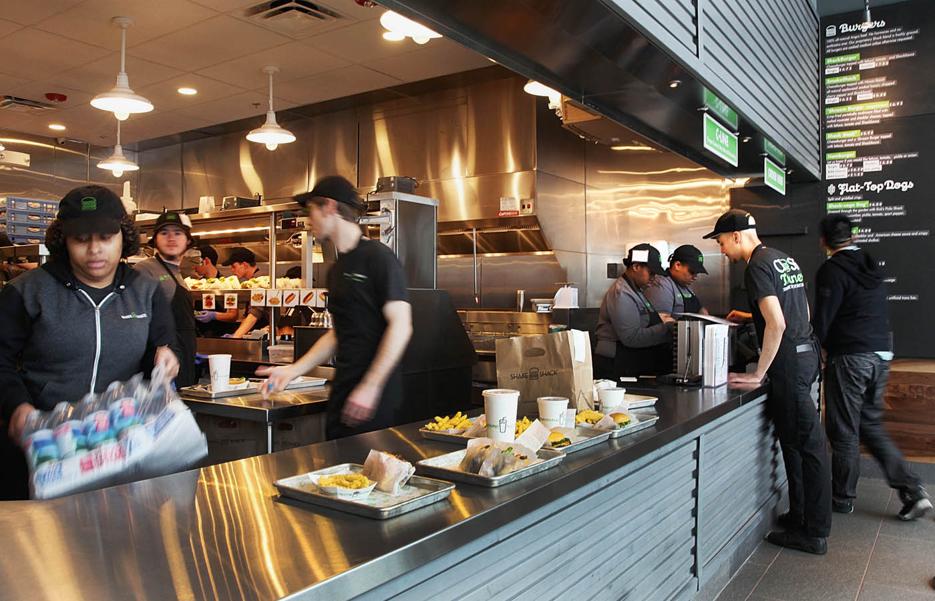
Today’s chains are sexy, fomenting buzz upon their opening — places like Shake Shack, Otto Pizza, and La Colombe coffee, which recently opened in Boston’s Leather District.
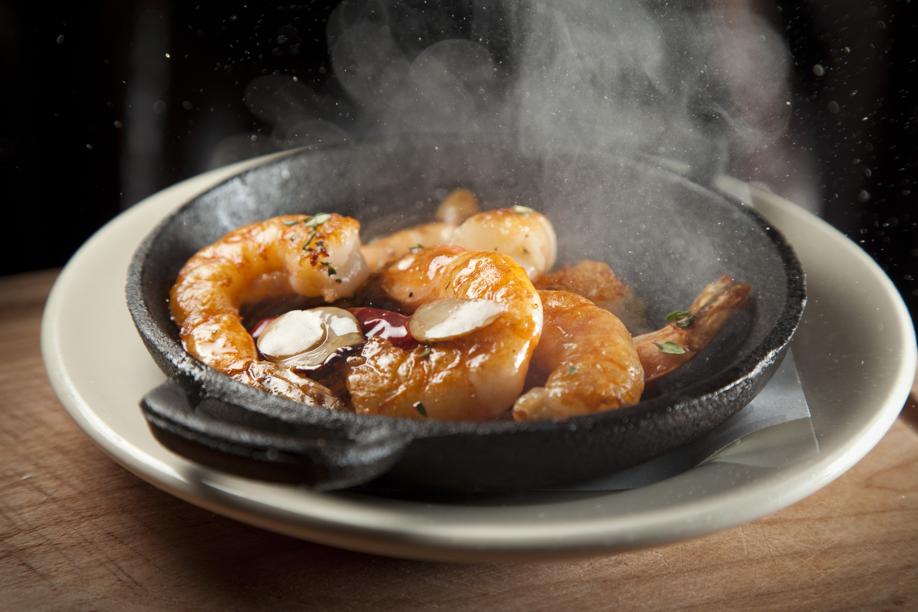
Then there are your hidden chains, masquerading as independent restaurants. On a recent visit to the South End’s Barcelona, which has 12 locations along the East Coast, one patron was heard whispering to her friend, “You know, this place is actually a chain.’’
“Snob,’’ her friend answered.
Chains seldom begin as such. After all, even McDonald’s started as a single restaurant in San Bernardino, Calif. But what happens when one independent operation becomes several? Does that a chain make?
Toscano’s in Beacon Hill is one of the city’s best Italian restaurants. With its second restaurant in Harvard Square, it certainly is not a chain.
Then there’s Stephanie’s on Newbury, Stephi’s on Tremont, and Stephi’s in Southie. Chain? Perhaps. Bland? Not at all.
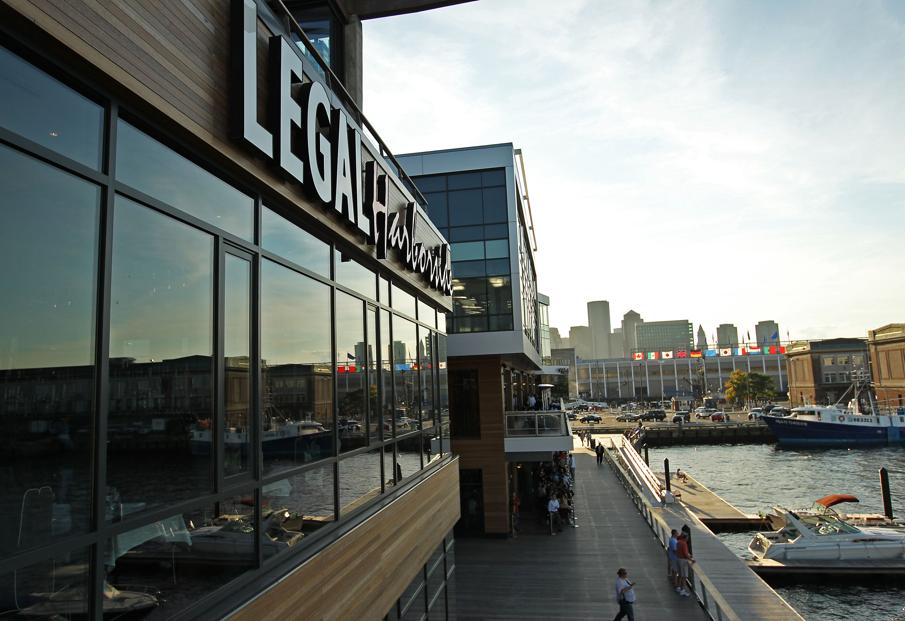
Even Boston’s best-known local chain, Legal Sea Foods, denies its chain existence, with owner Roger Berkowitz once telling a Globe reporter, “you can call me stupid, an egomaniac, or even [a bleeped out expletive], just don’t call me a chain.’’
Clearly, there are few defenders of the national chain. But one, Bryan Koop of Boston Properties, which owns the Prudential Center, credits the Cheesecake Factory for going where no one else wanted to go.
Independent restaurants wrongly “rejected the space as being on the edge of a very bad neighborhood,’’ he told me of the once-vacant Huntington location. “Thank God for Cheesecake Factory!’’
Food snobbery aside, the bigger problems with chains, particularly fast food concepts, are their low wages and their ability to undercut local competitors. The unfair manner in which too many restaurants treat their workers has been well documented by the Globe and others.
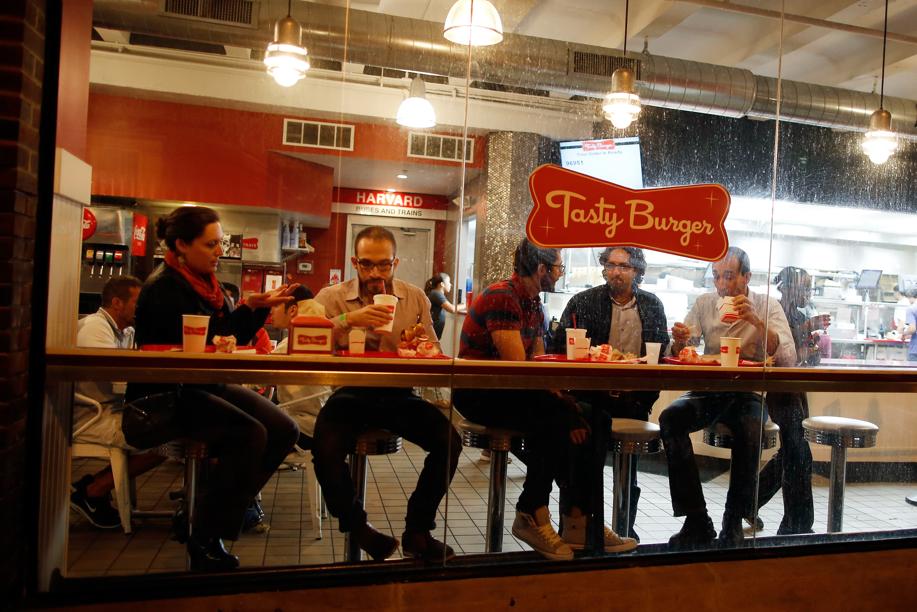
Thankfully, some are bucking the trend. Dave DuBois, who opened the first Tasty Burger in Boston in 2010, always planned on becoming a hamburger chain. However, unlike his competitors, he pays his workers an average of $12 an hour. (Disclosure: My law firm has represented Tasty Burger.)
As for undercutting local operators, chains can play unfair — Whole Foods should take note. In its South End store, a micro takeout restaurant called Fish Shack directly takes on a local independent operator, the Morse Fish Company, just blocks away. It also falls well short.
So no, not all chains are bad. For some comeback neighborhoods, a single chain restaurant might kick off the opening of numerous local businesses. In Mission Hill, for example, the arrival of a Friday’s concept led to the revitalization of its business district. Today, the neighborhood awaits the opening of a new gastropub.
But overall, our neighborhoods remain stronger, more distinctive, and, yes, less bland when they are home to a high-quality chef-owned restaurant — at least until it opens its next location.
Mike Ross, a Boston-based real estate attorney, writes regularly for the Globe. Follow him on Twitter @mikeforboston.

