


GOTSU, Japan — Before Atsumu Yoshioka, 81, decided to give up driving, there were signs it might be time.
During a visit to a shrine in rural Shimane prefecture in western Japan, Yoshioka, a retired furniture maker, forgot to set the parking brake, spooking his wife, Kazuko, when the car drifted backward.
Then one morning as he backed out of the driveway, he rammed into a large urn in front of their home. Haunted by television news reports of fatal accidents caused by older drivers, Yoshioka called it quits.
“Before I caused any serious accidents,’’ he said, “I decided to give up driving.’’
As Japan’s population ages, so do its drivers. Japan has the oldest population in the world, with nearly 28 percent of its residents above 65 years old. One in seven people are above 75. In the United States, by comparison, that figure is closer to one in 16.
According to data compiled by Japan’s national police agency, drivers between 16 and 24 are more likely to cause traffic accidents than any other age group. But last year, drivers above 75 caused twice as many fatal accidents per 100,000 drivers as those under that age.
Among drivers above 80 years old, the rate was three times as high as for drivers under that age. The news media regularly feature grisly reports of deaths caused by older drivers, some of whom are later discovered to have Alzheimer’s disease.
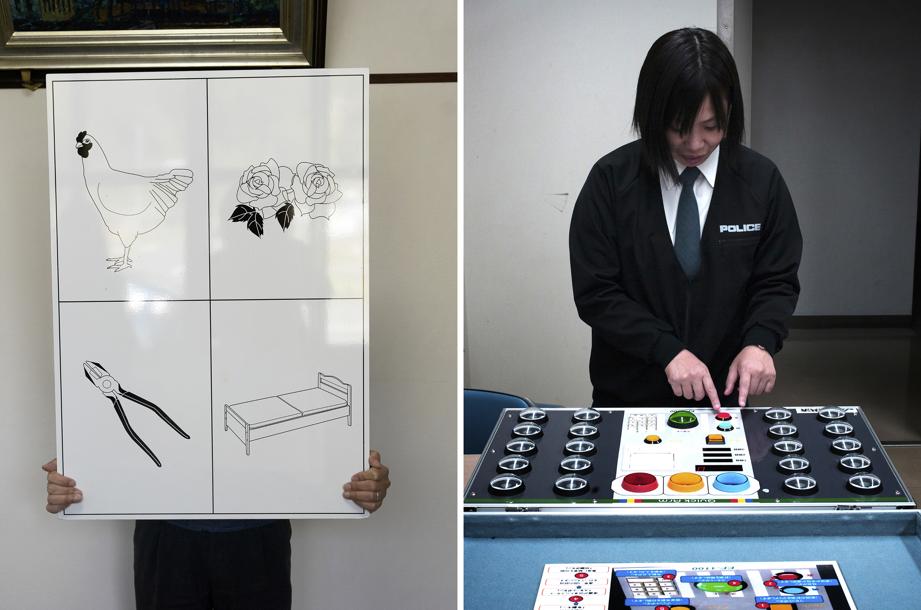
Since 2009, all drivers 75 and older must submit to a test of their cognitive functioning when they renew their licenses, typically once every three years. Under a new traffic law that took effect in March 2017, those who score poorly are sent to a doctor for examination, and if they are found to have dementia, police can revoke their licenses.
More than 33,000 drivers who took the cognitive test last year showed what police deemed to be signs of cognitive impairment and were ordered to see a doctor. The police revoked just over 1,350 licenses after doctors diagnosed dementia.
An additional 460,000 older drivers showed slight impairment of their cognitive functions, based on their performance on the test, but were allowed to keep their licenses if they took a three-hour traffic safety course.
Many more, for a variety of medical or psychological reasons, have voluntarily decided they are no longer safe to drive and have given up their licenses.
Police and local governments, along with some businesses, encourage older drivers to surrender their licenses by offering incentives like restaurant coupons or discounts on buses and taxi rides.
In the police station in the town of Gotsu, a poster showed an older man reclining on a porch surrounded by family members and the line: “Please consult with the station soon if you think something is wrong with your driving.’’
Over the last five years, the number of drivers above 65 who voluntarily gave up their licenses across Japan more than tripled, to nearly 405,000 last year.
Advocates for the aging say that in rural areas like Shimane, any measures urging the elderly to give up driving need to be balanced against the potential harm to their quality of life.
Unlike major urban areas like Tokyo or Kyoto, where public transit is plentiful and efficient, there are few options for getting around the countryside. The train line that connected Shimane’s towns to neighboring Hiroshima prefecture ceased operating in April.
And unlike in the past, adult children no longer typically live with — or even near — their parents, leaving them to go grocery shopping or visit the doctor on their own.
“A lot of drivers in their late 70s or 80s need to drive to conduct their daily lives,’’ said Masabumi Tokoro, a professor of psychology at Rissho University in Tokyo who has studied such drivers. “It’s very difficult for them to give up their driver’s licenses. This is becoming a social problem, especially in rural areas.’’
Those who favor imposing more restrictions on elderly drivers say the danger of accidents outweighs any concerns about lifestyle. What’s more, they say, the new traffic law focuses too narrowly on cognitive abilities, when so many other factors, including loss of vision or deteriorating reflexes and motor skills, could affect performance.
“Isn’t it necessary to introduce a system in which drivers are compelled to surrender their driver’s licenses in cases where they lack various abilities?’’ read a January editorial in the newspaper Sankei. “It’s too late to regret once an accident is caused.’’
As Japan’s low birthrate and resistance to immigration have contributed to a steady decline in the population, rural areas have experienced the most drastic shrinkages. With fewer customers, local businesses and services have shut down, forcing residents who remain to go farther for a pint of milk.

