


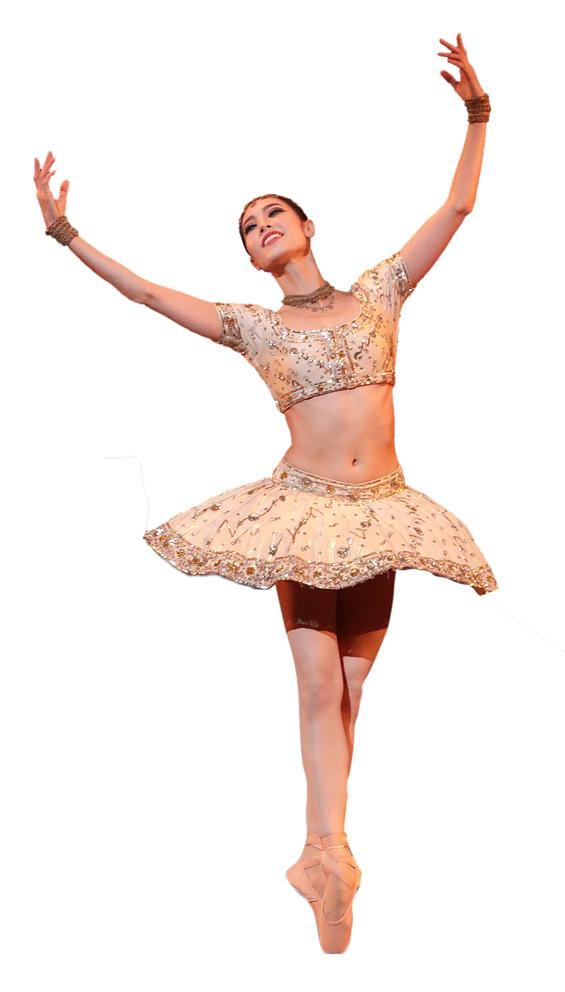
Dance in 2016 had, as usual, a bit of everything. Boston Ballet offered evening-length works — John Cranko’s “Onegin,’’ Mikko Nissinen’s “Swan Lake,’’ and Ivan Liška’s “Le Corsaire’’ — and shorter pieces as deliciously different as Léonide Massine’s cotton-candy “Gaîté Parisienne’’ and Karole Armitage’s Miles Davis-inspired “Bitches Brew.’’ We got stepdancing from Trinity Irish Dance Company and, celebrating its 20th anniversary, “Riverdance.’’ We got flamenco from Farruquito and Rocío Molina, Brazilian street dance from Companhia Urbana de Dança. Argentina was represented by Che Malambo and Estampas Porteñas, Puerto Rico by Yanira Castro’s a canary torsi, Cuba by Malpaso Dance Company and Boston’s own José Mateo Ballet Theatre. There were political statements from Trajal Harrell and Bill T. Jones. The Dance Complex and Institute of Contemporary Art showcased local choreographers. And Jacob’s Pillow, in “Monuments,’’ looked at the legacy of Pillow founder Ted Shawn.
One trend that emerged was the concept show. Companies like Alvin Ailey American Dance Theater, Hubbard Street Dance Chicago, Aspen Santa Fe Ballet, and Pacific Northwest Ballet have generally presented repertory programs of short works. Bill T. Jones/Arnie Zane Dance Company, on the other hand, has a history of long-form pieces, and much of what Boston saw in 2016 followed the Jones model. In “Deseos,’’ Estampas Porteñas told the story of a young girl who leaves her rural village for the bright lights of Buenos Aires. Harrell’s “Antigone Sr.’’ went toe to toe with Sophocles; Castro’s “Court/Garden’’ conjured the Versailles of 17th-century French “Sun King’’ Louis XIV. Raphael Xavier’s “Point of Interest’’ was an essay on the essence of breakdancing. And in “A Letter to My Nephew,’’ Jones asked questions both personal and political, including “Did you vote?’’
Which is not to say that the traditional repertory program is outmoded. Boston Ballet’s “Kaleidoscope’’ included Balanchine’s seldom seen “Kammermusik No. 2,’’ a late work set to Hindemith that built on “The Four Temperaments’’ and “Rubies.’’ Hubbard Street Dance Chicago gave us William Forsythe’s “N.N.N.N.,’’ a Rubik’s Cube comedy spotlighting the choreographer’s uncanny feel for the space between dancers, and Crystal Pite’s “Solo Echo,’’ which, drawing on Brahms’s cello sonatas, poet Mark Strand, and a backdrop of falling snow, painted an oddly uplifting portrait of love and death. The Ailey program included artistic director Robert Battle’s “Awakening,’’ which posited a chosen figure among what looked like inmates at an institution — but chosen for what? And the highlight of Malpaso’s performance was artistic director Osnel Delgado’s slyly titled “24 horas y un perro’’ (“24 Hours and a Dog’’), a day in Havana with yoga poses including both upward and downward dog.
It was, however, those concept programs that lit up 2016. They didn’t all work. Some went on too long. “A Letter to My Nephew’’ had powerful scenes of street battles and harried immigrants; what it lacked was editing. “Antigone Sr.,’’ for all that it purported to enfranchise the women of ancient Greece, was a runway show that said more about the House of Trajal than the House of Thebes. “Court/Garden,’’ after spirited Renaissance capering from dancers in helmeted bodysuits, devolved into an audience-participation show in which you got to mingle with the performers or make a paper-towel dress. Big Dance Theater’s 25th-anniversary project “Short Form’’ also invited viewers to the ICA stage, for hot dogs and beer; this “Intermission’’ was, alas, the best part of the night.
But some companies got it right. At Jacob’s Pillow, Philadelphia-based BalletX served up Matthew Neenan’s “Sunset 0639,’’ inspired by American pilot Edwin Musick’s doomed 1938 flight aboard the “Samoan Clipper’’ on Pan American’s first airmail trip from Hawaii to New Zealand. (BalletX also shone in an October repertory program at the ICA.) In “Ce qui le jour doit à la nuit’’ (“What the Day Owes the Night’’), Hervé Koubi reconnected with his Algerian roots in a kind of desert prayer for 12 male dancers who seemed to be improvising a complex counterpoint and were unfazed when the Sufi ambience gave way to the opening chorus from Bach’s “St. John Passion.’’ And the Jerusalem-based Vertigo Dance Company celebrated its 20th anniversary with “Vertigo 20,’’ a 60-minute masterpiece that recalled Pina Bausch in its emotion, its sweetness, and its sense of community. The finale found the dozen dancers swaying in a folk-dance circle while surrounded by balloons. These pieces were encouraging examples of how dance can tell an evening-length story without words or gimmicks.
Jeffrey Gantz can be reached at jeffreymgantz@gmail.com.

