


County, Brunswick bus systems to merge
Transit merger expected to reduce deficit next year
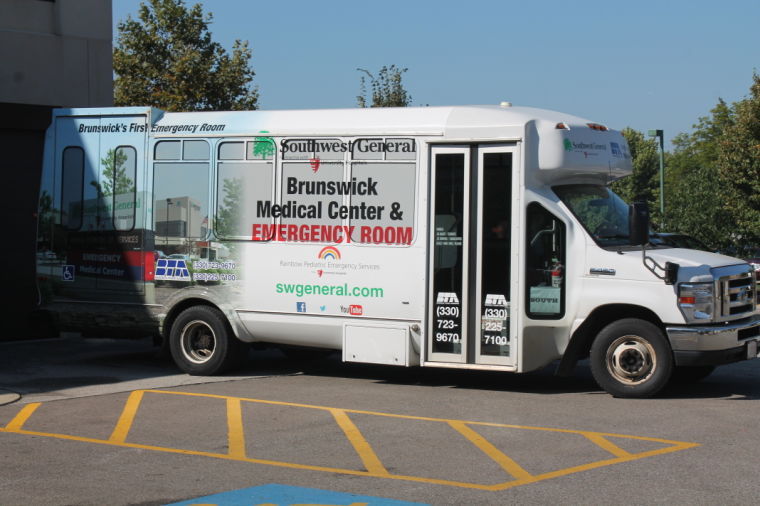
Brunswick has agreed to turn over complete control of its buses to Medina County Public Transit. File photo


MEDINA – County commissioners were expected to approve the long-awaited merger between Medina County Public Transit and Brunswick Transit Alternative this week.
Commissioners were scheduled to vote on the issue Dec. 28, just in time to put the agreement in place before the current operating agreement between the two bus services expires at the end of the year.
MCPT has been managing the daily operations of BTA for the past seven years through a management contract with the city. The merger agreement gives MCPT complete control of the Brunswick bus service and relieves the city of some administrative and maintenance functions.
The merger offers the county the prospects of attracting some additional funding to operate the two systems, although ownership of BTA hardly appears to be a money-making proposition for the county.
Terms of the merger were not immediately available but are believed to result in no immediate reduction of services in Brunswick. Fares on BTA buses will gradually rise from 50 cents to $2 to conform with MCPT fares elsewhere in the county, but subsidies are expected to pay for the fare increases for low income senior citizens.
MCPT Director Mike Salamone recommended commissioners approve the merger despite some grim financial projections for the two bus systems.
According to Salamone, MCPT is projected to face a $123,000 deficit in its operating budget next year. That deficit would grow to $295,000 if the merger did not take place and MCPT continued to manage BTA on the contract basis that has been in place since 2010.
The deficit in the MCPT budget could be even greater in 2018 without some cuts in service or the county finding some additional funding sources.
The funding problems could be even greater after 2018 since there is the potential to lose $320,000 of federal funds currently passed through the Greater Cleveland Regional Transit Authority to operate BTA. RTA has guaranteed the county that it will continue to provide that pass-through funding in 2017 and 2018, but would not commit to providing the $320,000 annual operating subsidy beyond 2018.
MCPT has already taken measures to reduce the 2017 deficit by cutting back bus service in Wadsworth. Starting in January, MCPT will operate just one bus on the Wadsworth route instead of the two it ran throughout 2016.
Salamone said the merger of the two bus systems provides some additional benefits to the county. Among them is about $24,000 a year from advertising now sold on two BTA buses.
In addition, combining the two bus systems will increase MCPT ridership numbers which should translate into additional state funding.
In addition, the merger comes with three new BTA buses, which along with four new buses being acquired by MCPT with grant funds will put seven practically new buses into the MCPT fleet. Salamone said those new buses should reduce maintenance costs next year by about 33 percent.
Salamone also said he will continue to look for additional funding sources to keep MCPT in service in coming years. Those who use the bus services do not have many other options. According to Salamone, 80 percent of MCPT riders do not have a working vehicle, 50 percent of them have less than $10,000 a year in income, 20 percent are elderly and 20 percent are disabled.
Commissioners were scheduled to vote on the issue Dec. 28, just in time to put the agreement in place before the current operating agreement between the two bus services expires at the end of the year.
MCPT has been managing the daily operations of BTA for the past seven years through a management contract with the city. The merger agreement gives MCPT complete control of the Brunswick bus service and relieves the city of some administrative and maintenance functions.
The merger offers the county the prospects of attracting some additional funding to operate the two systems, although ownership of BTA hardly appears to be a money-making proposition for the county.
Terms of the merger were not immediately available but are believed to result in no immediate reduction of services in Brunswick. Fares on BTA buses will gradually rise from 50 cents to $2 to conform with MCPT fares elsewhere in the county, but subsidies are expected to pay for the fare increases for low income senior citizens.
MCPT Director Mike Salamone recommended commissioners approve the merger despite some grim financial projections for the two bus systems.
According to Salamone, MCPT is projected to face a $123,000 deficit in its operating budget next year. That deficit would grow to $295,000 if the merger did not take place and MCPT continued to manage BTA on the contract basis that has been in place since 2010.
The deficit in the MCPT budget could be even greater in 2018 without some cuts in service or the county finding some additional funding sources.
The funding problems could be even greater after 2018 since there is the potential to lose $320,000 of federal funds currently passed through the Greater Cleveland Regional Transit Authority to operate BTA. RTA has guaranteed the county that it will continue to provide that pass-through funding in 2017 and 2018, but would not commit to providing the $320,000 annual operating subsidy beyond 2018.
MCPT has already taken measures to reduce the 2017 deficit by cutting back bus service in Wadsworth. Starting in January, MCPT will operate just one bus on the Wadsworth route instead of the two it ran throughout 2016.
Salamone said the merger of the two bus systems provides some additional benefits to the county. Among them is about $24,000 a year from advertising now sold on two BTA buses.
In addition, combining the two bus systems will increase MCPT ridership numbers which should translate into additional state funding.
In addition, the merger comes with three new BTA buses, which along with four new buses being acquired by MCPT with grant funds will put seven practically new buses into the MCPT fleet. Salamone said those new buses should reduce maintenance costs next year by about 33 percent.
Salamone also said he will continue to look for additional funding sources to keep MCPT in service in coming years. Those who use the bus services do not have many other options. According to Salamone, 80 percent of MCPT riders do not have a working vehicle, 50 percent of them have less than $10,000 a year in income, 20 percent are elderly and 20 percent are disabled.

