


City takes proactive measures for speeding
Yard signs, electronic speed signs, target police enforcement will be implemented
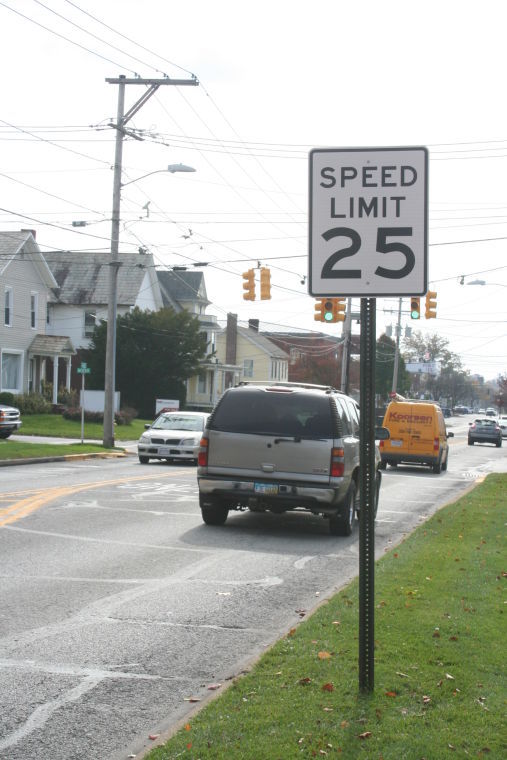
The city is taking a proactive approach to speeding. Photo by EMILY CANNING-DEAN


WADSWORTH – Just as it is in communities all across the state, speeding in residential areas has been an issue in certain neighborhoods.
But the city is taking action in an effort to keep its residential neighborhoods safe. Safety Director Matt Hiscock and public safety intern Nick Thomas recently filmed a video for WCTV highlighting some of the details of Wadsworth’s residential speed awareness program.
“We have tried a couple of different things to reduce speeding in the city and I’m not sure I can say all have been successful,” Hiscock said. “But it does seem that creating the speed awareness program has shown significant decreases in residential speeding. It seems to be very promising.”
Hiscock said the primary purpose of the program is to educate the public on the potential dangers of speeding such as an increase potential for damages and injuries. The purpose is also to engage the public to partner with the city to help reduce speeding in their neighborhoods.
“This is modeled after programs that have been used in other communities,” Hiscock said.
Hiscock said there are three main phases to the program. First is the yard sign phase. When the city hears from a group of residents on a street who claim that speeding has been a problem, the city enlists several property owners to allow signs in their front yards. The signs remind motorists of the speed limit and include facts about speeding and encouragement to slow down. These signs are left up for usually two to three weeks.
Phase 2 includes an electronic speed sign being mounted in the area.
“This sign first of all gives drivers real time awareness of how fast they are traveling,” Hiscock said. “But the even more resourceful use is the fact that the sign collects data on the volumes of traffic, the type of speeding going on. It can track the time of day the highest speeds are taking place. It is a great tool to gather data.”
The city eventually reads the data tracked by the electronic signs and then hands that information off to patrol officers to commence with phase 3. Officers use that information to determine when it is most likely motorists will be speeding in a specific area. The officers can then choose target enforcement for those areas at those times.
“Speeding can be a continuous problem for a lot of communities,” Hiscock said. “Our main goal is to reduce the number of people speeding.”
Hiscock said that residents who believe there is a problem with speeding motorists on their street should contact the city.
But the city is taking action in an effort to keep its residential neighborhoods safe. Safety Director Matt Hiscock and public safety intern Nick Thomas recently filmed a video for WCTV highlighting some of the details of Wadsworth’s residential speed awareness program.
“We have tried a couple of different things to reduce speeding in the city and I’m not sure I can say all have been successful,” Hiscock said. “But it does seem that creating the speed awareness program has shown significant decreases in residential speeding. It seems to be very promising.”
Hiscock said the primary purpose of the program is to educate the public on the potential dangers of speeding such as an increase potential for damages and injuries. The purpose is also to engage the public to partner with the city to help reduce speeding in their neighborhoods.
“This is modeled after programs that have been used in other communities,” Hiscock said.
Hiscock said there are three main phases to the program. First is the yard sign phase. When the city hears from a group of residents on a street who claim that speeding has been a problem, the city enlists several property owners to allow signs in their front yards. The signs remind motorists of the speed limit and include facts about speeding and encouragement to slow down. These signs are left up for usually two to three weeks.
Phase 2 includes an electronic speed sign being mounted in the area.
“This sign first of all gives drivers real time awareness of how fast they are traveling,” Hiscock said. “But the even more resourceful use is the fact that the sign collects data on the volumes of traffic, the type of speeding going on. It can track the time of day the highest speeds are taking place. It is a great tool to gather data.”
The city eventually reads the data tracked by the electronic signs and then hands that information off to patrol officers to commence with phase 3. Officers use that information to determine when it is most likely motorists will be speeding in a specific area. The officers can then choose target enforcement for those areas at those times.
“Speeding can be a continuous problem for a lot of communities,” Hiscock said. “Our main goal is to reduce the number of people speeding.”
Hiscock said that residents who believe there is a problem with speeding motorists on their street should contact the city.

