


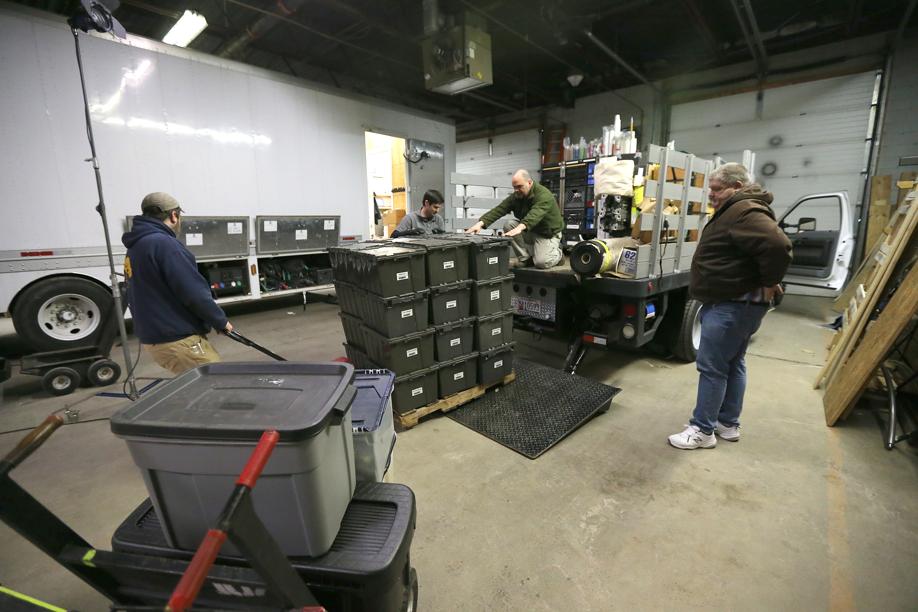
The state’s generous film-industry tax credits have survived another budget cycle on Beacon Hill.
When Senate leaders released their version of a roughly $39.5 billion budget on Tuesday, they didn’t include any language specifically addressing the film tax credits.
But there’s one big reason, and it has nothing to do with the Senate leadership’s position on the decade-old program, which provides tax credits valued at roughly 25 percent of expenses for eligible movies filmed in the state.
House leaders avoided including any measures that would increase revenue in their version of the budget, before sending the spending plan along to the Senate, with House Speaker Robert A. DeLeo saying raising new revenue should be a last resort.
As a result, the House budget is not considered to be a “money bill,’’ according to Pete Wilson, a spokesman for Senate President Stanley Rosenberg. Therefore, he said, the state Constitution prevents the Senate from raising or lowering revenue in its budget plan, including making any adjustments to the film tax credits.
Representative Angelo Scaccia, a Democrat from Hyde Park, had tried to get a cap on the film tax credit program included as an amendment to the House budget last month, but his efforts were rebuffed by House leaders.
Governor Charlie Baker, meanwhile, filed his own bill aimed at paring back the state’s incentives along with his state budget plan in January. That bill would limit the tax credits to $7 million per production, among other changes.
But Baker’s proposal remains stuck in the Legislature’s revenue committee, and it appears unlikely that House leaders will advance it any further. DeLeo and majority leader Ronald Mariano are outspoken supporters of the tax credits, saying they have been instrumental in supporting small businesses in the state that serve the film industry.
Baker had originally tried to eliminate the film tax credits entirely last year, arguing the money could be better spent by boosting the state’s earned income tax credit. The Legislature nixed that idea, although lawmakers did raise the earned income tax credit last summer — just not by as much as Baker wanted.
It’s hard to know exactly how much the state is spending this year on the film program: The state Department of Revenue’s most recent report on these tax credits came out last month, but the figures in that report are more than two years old. The agency reported that Massachusetts paid out an estimated $42 million for film tax credits in its 2014 fiscal year. The program also generated nearly $10 million in new state revenue in the 2013 calendar year, when 12 feature films were shot in the state and about 100 other projects took advantage of the credits.
Steve Crawford, spokesman for the Massachusetts Production Coalition, said his trade group isn’t ready to celebrate yet. The Senate still has to go through its amendment debate, he said, and lawmakers don’t stop meeting in formal sessions for the year until July 31.
“We’re taking a wait-and-see attitude,’’ Crawford said. “[But] this is good news for the hundreds of people who are currently working on movies in Massachusetts and the hundreds of others who are hoping for more film business to come to the state.’’
Jon Chesto can be reached at jon.chesto@globe.com. Follow him on Twitter @jonchesto.

