


Book Reviews
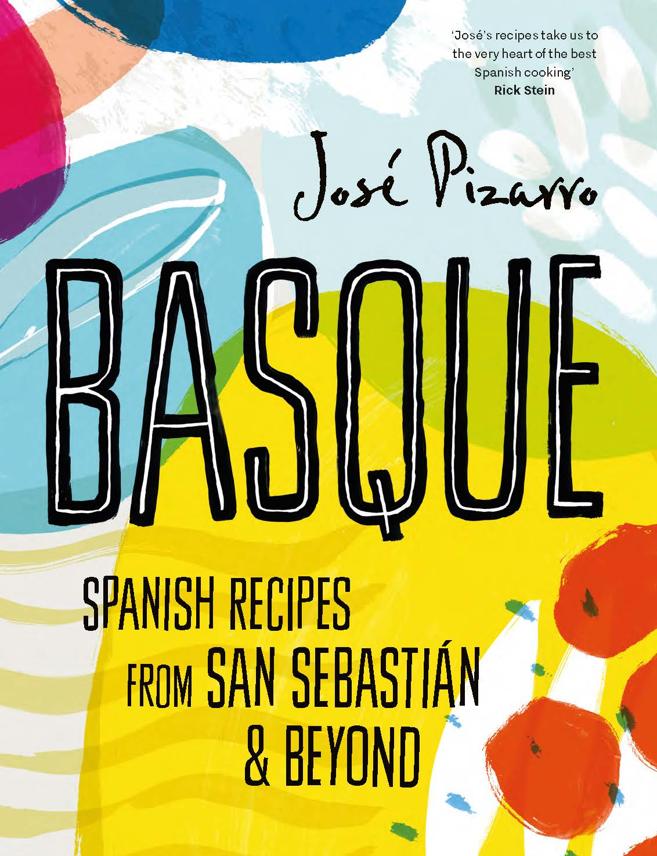
Basque: Spanish Recipes From San Sebastian & Beyond
By Jose Pizarro
Hardie Grant Books, 253 pp., $39.95
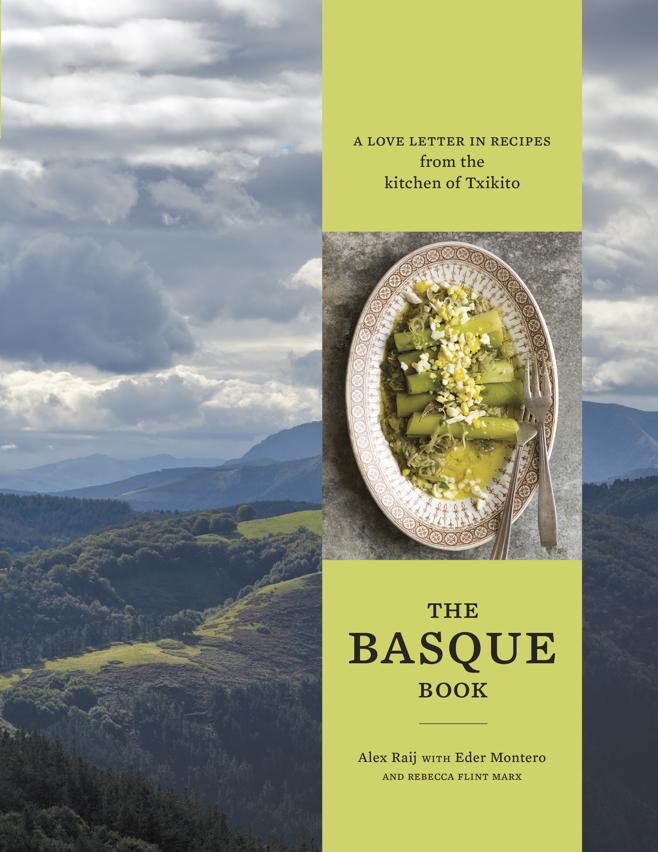
The Basque Book: A Love Letter in Recipes From the Kitchen of Txikito
By Alexandra Raij with Elder Montero and Rebecca Flint Marx. Ten Speed Press,
295 pp., $29.99
I bought a quart of olive oil and it went quickly: a half-cup in one bowl of homemade mayonnaise, a half-cup in another mayonnaise, three-quarters cup in the best tortilla espanola I’ve ever made (and that doesn’t include an additional half-cup of canola oil).
Basque chefs love oil, and if you want to cook like they do, you have to pour it into the food and not hold back. That will result in some extraordinary pintxos (pronounced PEEN-chos, the Basque word for tapas), and other more substantial dishes.
About that tortilla. It is from “The Basque Book,’’ by restaurateurs Alexandra Raij and Elder Montero, owners of three New York spots, including Txikito. The classic tortilla espanola is an egg cake, like frittata, always made with potatoes and offered at every tapas bar in the Basque region and throughout Spain. Here, you cook russets and an onion in olive and canola oil. Then, with fresh olive oil, 10 eggs, and the potato mixture, start to make the tortilla. You cook it briefly — the recipe says 2 minutes, which must be a typo because the top is a pool of eggs — then you flip it out and return it to the pan. You do this four times, adding oil and letting it brown all over. The finished tortilla is amazing. It’s very large and thick, not the least bit oily, slightly sweet from the onion, and toasty and eggy in the most appealing way.
A salad of new potatoes, green beans, three-minute eggs, and mayonnaise is so good that I make it again a few days later. Mayonesa ligera (thin mayonnaise) seems at first like it’s too much oil for the single yolk (a half-cup olive and one cup canola), but this is elixir and you’ll feel proud to have made your own. New potatoes are boiled, then flattened while hot, and layered with crisp green beans and eggs that have cooked in water for three minutes and are difficult to peel (I’ve had this problem for years and there’s no magic formula here). The whites are just tender, the yolks runny, and the salad is beautiful and heaped with wonderful textures. Everything in the dish is supposed to be warm; a kitchen staff would have been helpful.
The book offers an enticing cheese and mushroom pressed sandwich, spicy lamb meatballs, the classic Basque fisherman’s stew marmitako (here with tuna belly and 2¾ cups oil!), and creme fraiche flan. I always wanted to make gateau Basque, two rounds of dough sandwiching lemony pastry cream and plumped dried cherries, which I tackle. If I had followed the instructions to the letter about freezing and chilling all the components as recommended, I’d still be baking. I skipped many cooling steps and still produced a tall, creamy, tender cake. In the Basque region, this is a bakery confection — and should be. Many recipes in “The Basque Book’’ should be relegated to a professional kitchen.
In London restaurateur Jose Pizarro’s “Basque,’’ you’re faced with recipes in grams and ounces, ingredients you’re not getting at your local market — pig trotters, duck livers, beef cheeks, octopus — and some recipes most cooks in this country probably won’t like. This marmitako is made with fresh mackerel, a hard sell here.
But stay with Pizarro. Even if only for Russian salad with prawns. We’re not told how this dish got to the Basque region (it’s also served in other parts of Spain), but this fabulous version tosses potatoes, carrots, and peas with homemade mayonnaise; the salad is topped with shrimp and hard-cooked eggs.
Roasted onions stuffed with pine nuts, apricots, and garlic migas (fried breadcrumbs), ordinary enough ingredients, are delightful. And a stew of potatoes and Swiss chard simmered with a generous spoon of the traditional smoked paprika, pimenton, will become a new favorite.
The book is full of nice surprises. Little chocolate pots, nothing but dark chocolate melted and mixed with whole milk and heavy cream — which looked like they would never set, but did — are dreamy. The tops are sprinkled with a few drops of olive oil and flaky salt.
These chefs just keep pouring on that oil.
Basque: Spanish Recipes From San Sebastian & Beyond
By Jose Pizarro
Hardie Grant Books, 253 pp., $39.95
The Basque Book: A Love Letter in Recipes From the Kitchen of Txikito
By Alexandra Raij with Elder Montero and Rebecca Flint Marx
Ten Speed Press, 295 pp., $29.99
Sheryl Julian can be reached at sheryl.julian@globe.com. Follow her on Twitter @sheryljulian.

