


Realtors, landlords object to proposed rental permit requirements
Ordinance would require property owners to register with the city
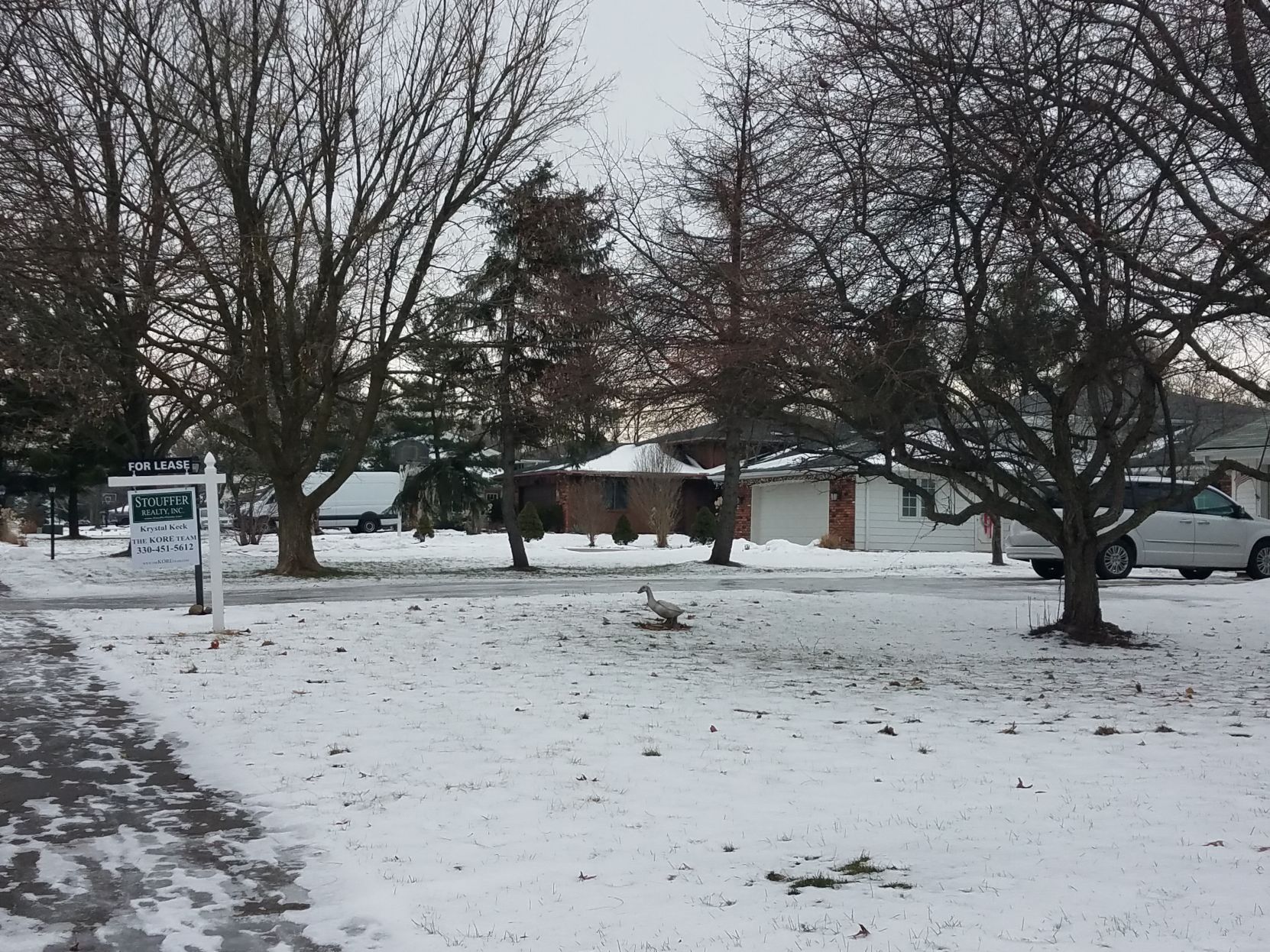
A proposed ordinance that would require property owners to register rental properties with the city is drawing backlash from community, forcing city officials to reconsider the legislation. Photo by MELISSA MARTIN


BRUNSWICK – A proposed ordinance that would require property owners to register rental properties with the city is drawing backlash from the community, forcing city officials to reconsider the legislation.
Several owners of area rental homes, as well as area real estate professionals, expressed their concerns over the legislation this month, arguing the stipulations contained within the ordinance are unfair to those who lease homes in the city.
“I think it puts the city at risk a bit,” said Richard Kassout, a representative of New Hope Realty. “I don’t think it’s good for the general real estate population.”
According to the legislation, the ordinance would require the owners of single- and two-family rental homes to apply for a renter’s permit. Apartments and condominiums, however, are excluded from the regulations required by the legislation.
The proposed legislation, which council read on the floor for the first time Nov. 28, acknowledges that there has been a general increase in single-family and two-family residential properties throughout the city. Accordingly, it notes that maintaining the safety and tranquility of residential neighborhoods, particularly when it comes to keeping the numbers of vehicles parked outside rental properties to a minimum, continues to be a priority in the city’s building department.
“It is with these concerns in mind that the city adopts these single-family and two-family residential rental property regulations in an effort to help ensure safe living conditions … and to avoid overcrowding in the residential zoning districts,” the legislation says.
The legislation requires property owners obtain rental permits from the city’s chief building official before renting or leasing a single family, two-family or single family attached dwelling. Those permits, he said, include contact information for both the owner of the property along with the names, ages and contact numbers for each tenant residing in the residence.
The rental permits, Fisher said, will be valid for two years from the date of inspection. Every time the tenants change, he said, the property owner will have 30 days to notify the building department of the changes.
According to Community and Economic Development Director Grant Aungst, the fee to register a single-family home would be $300; a two-family home (duplex in which both units are rented) $400; a two-family home (duplex with one unit rented) $300, and a rentable third-floor unit $100.
Kassout told City Council he believes the proposed fees are excessive, especially given the fact that most rental property owners use the rent to pay the mortgage on the homes.
“That would take a big chunk of money out of their pocket if that is how they make their living,” he said.
Law Director Kenneth Fisher said the city doesn’t intend to utilize the legislation as a way to penalize rental property owners. Instead, he said, the city is looking to maintain the “integrity and fabric of the residential character of (the city’s) residential communities.”
Like Kassout, Brunswick real estate broker Cindy Kintop said she finds the $200 penalty fee for not registering or updating a rental permit offensive, pointing out that renters would be assessed a monthly fee for every month they fail to register their property.
“My concern is that if the homeowner doesn’t realize and an entire year gets past him or her, that $200 a month (penalty) is an exorbitant fee,” she said.
Kintop said she also took offense to the inspections required as part of the application process.
“I’m looking at my investors and my clients and I can see where this is truly going to be a burden on them,” she said. “None of us as homeowners would like to have someone come in and inspect our homes every two years.”
Fisher said the inspection that would be conducted as part of the permit process would be limited to make sure that the requirements of the ordinance are fulfilled. He said the building department plans to inspect rental properties to determine if the building is large enough to accommodate the proposed number of tenants and regular occupants, with enough off-street parking and bedrooms.
Fisher said the permit will also make the owner aware he or she is responsible for both exterior and interior maintenance of the home.
In light of the complaints, council elected to table the legislation Dec. 19 to allow more time for discussion among council and those in the real estate community. Council is expected to resume discussions in January.
Several owners of area rental homes, as well as area real estate professionals, expressed their concerns over the legislation this month, arguing the stipulations contained within the ordinance are unfair to those who lease homes in the city.
“I think it puts the city at risk a bit,” said Richard Kassout, a representative of New Hope Realty. “I don’t think it’s good for the general real estate population.”
According to the legislation, the ordinance would require the owners of single- and two-family rental homes to apply for a renter’s permit. Apartments and condominiums, however, are excluded from the regulations required by the legislation.
The proposed legislation, which council read on the floor for the first time Nov. 28, acknowledges that there has been a general increase in single-family and two-family residential properties throughout the city. Accordingly, it notes that maintaining the safety and tranquility of residential neighborhoods, particularly when it comes to keeping the numbers of vehicles parked outside rental properties to a minimum, continues to be a priority in the city’s building department.
“It is with these concerns in mind that the city adopts these single-family and two-family residential rental property regulations in an effort to help ensure safe living conditions … and to avoid overcrowding in the residential zoning districts,” the legislation says.
The legislation requires property owners obtain rental permits from the city’s chief building official before renting or leasing a single family, two-family or single family attached dwelling. Those permits, he said, include contact information for both the owner of the property along with the names, ages and contact numbers for each tenant residing in the residence.
The rental permits, Fisher said, will be valid for two years from the date of inspection. Every time the tenants change, he said, the property owner will have 30 days to notify the building department of the changes.
According to Community and Economic Development Director Grant Aungst, the fee to register a single-family home would be $300; a two-family home (duplex in which both units are rented) $400; a two-family home (duplex with one unit rented) $300, and a rentable third-floor unit $100.
Kassout told City Council he believes the proposed fees are excessive, especially given the fact that most rental property owners use the rent to pay the mortgage on the homes.
“That would take a big chunk of money out of their pocket if that is how they make their living,” he said.
Law Director Kenneth Fisher said the city doesn’t intend to utilize the legislation as a way to penalize rental property owners. Instead, he said, the city is looking to maintain the “integrity and fabric of the residential character of (the city’s) residential communities.”
Like Kassout, Brunswick real estate broker Cindy Kintop said she finds the $200 penalty fee for not registering or updating a rental permit offensive, pointing out that renters would be assessed a monthly fee for every month they fail to register their property.
“My concern is that if the homeowner doesn’t realize and an entire year gets past him or her, that $200 a month (penalty) is an exorbitant fee,” she said.
Kintop said she also took offense to the inspections required as part of the application process.
“I’m looking at my investors and my clients and I can see where this is truly going to be a burden on them,” she said. “None of us as homeowners would like to have someone come in and inspect our homes every two years.”
Fisher said the inspection that would be conducted as part of the permit process would be limited to make sure that the requirements of the ordinance are fulfilled. He said the building department plans to inspect rental properties to determine if the building is large enough to accommodate the proposed number of tenants and regular occupants, with enough off-street parking and bedrooms.
Fisher said the permit will also make the owner aware he or she is responsible for both exterior and interior maintenance of the home.
In light of the complaints, council elected to table the legislation Dec. 19 to allow more time for discussion among council and those in the real estate community. Council is expected to resume discussions in January.

