


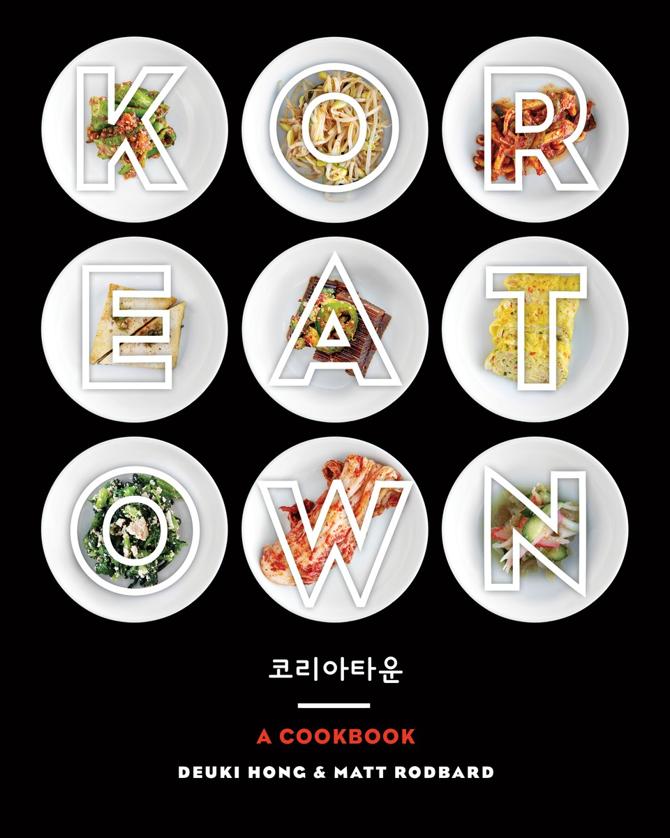
Korean flavors have grown popular with chefs of all kinds, with dishes such as Korean fried chicken, Korean barbecue tacos, and kimchi fried rice popping up everywhere. For their new book, “Koreatown,’’ New York-based chef Deuki Hong and food writer Matt Rodbard wanted to take a close look at the people, places, and cuisine of America’s Korean communities.
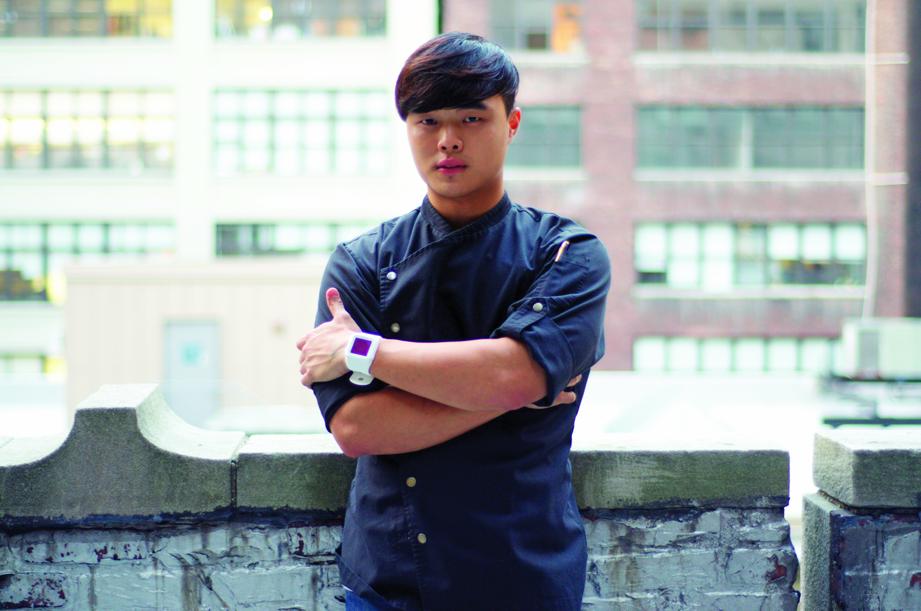
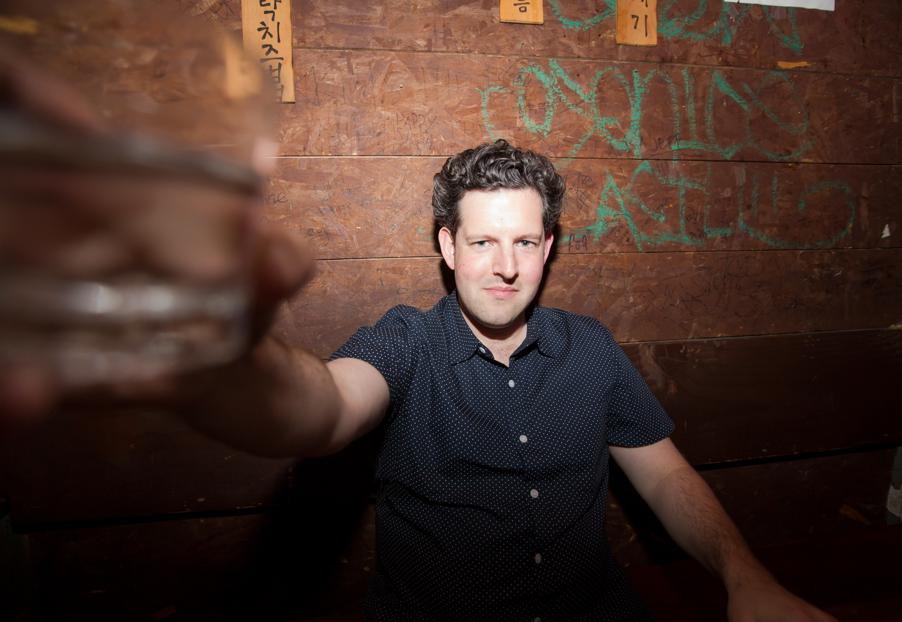
Both authors are well versed on the topic. Hong, 26, grew up in a Korean American household, studied at the Culinary Institute of America, and is chef at Kang Ho Dong Baekjeong, a barbecue restaurant in New York’s Koreatown. Rodbard, 35, had visited 75 Korean restaurants in New York to write a guidebook to the top places. But, over two years of traveling the country to research their topic, Hong and Rodbard say, they gained a whole new level of understanding. “You’re learning crazy amounts of stuff. You’re meeting people. You’re seeing what Korean food is like in America now,’’ Hong says. The book includes interviews with people the pair met along the way, as well more than 100 recipes, including both traditional Koreatown fare and dishes with Korean flavors and techniques created by chefs such as Sean Brock, Paul Qui, and Jamie Bissonnette.
Q. Why focus on Koreatowns rather than Korean cuisine more broadly?
Rodbard: I really think of this as an informal ethnography of Korean culture in America. We traveled a lot for this book. We went to Los Angeles five times. We went to San Francisco, Washington, D.C., Atlanta, Chicago. We really wanted to capture the spirit of Koreatowns not just with the food, but the people.
Hong: We ended up asking: What is Koreatown? We came up with the fact that it’s not a city or a place or a block, but a mind-set. In the middle of Minneapolis or somewhere else, two Korean stores next to each other are a Koreatown.
Q. What differences did you see as you traveled around?
Hong: Foodwise, there are fairly stark differences. In LA they can access a lot of ingredients. On the East Coast or in a place like Atlanta, they have a hard time getting some of that awesome stuff from Korea. They’re each so different.
Q. Beyond Korean barbecue, what dishes should people be exploring?
Rodbard: This time of year, it’s great to think about the soups and stews of Korea. It’s the largest chapter in our book. We go through a gamut, not just kimchi jigae (soft tofu soup), which is a very classic dish. We go to other dishes like seolleongtang, which is like a bone broth. I like gamjatang, which I think could be one of the breakout dishes of the next few years. It’s pork neck, potato, black pepper, and sesame seeds brought together in a pork stock. It’s a more earthy flavor profile, rather than the fire and funk of kimchi jigae.
Q. Are Korean ingredients difficult for home cooks to find?
Rodbard: This isn’t like a Vietnamese book where you’re thinking about exotic herbs that you need to buy. When you look at Korea, it’s a very cold place with a short growing season. They’re using a lot of root vegetable like cabbage. For the flavor base of these stews, soups, and marinades, you’re using gochujang and doenjang. Those are fermented bean pastes. You need to find those, of course. But they are available at most Asian markets and at Whole Foods and health food stores. Other than that, you have your basic Asian pantry: garlic, ginger, seaweed.
Q. Why do you think chefs are so drawn to the flavors of Koreatown?
Hong: This is what they eat after they end work. Koreatown is the only spot in their respective towns that’s open that late. This is something that was embedded and in their hearts long before Koreatown was hot. For me, as a Korean American, that’s a big source of pride.
Rodbard: It’s a very popular place for chefs because of the late hours, the alcohol, and the grilled meat. It fits really well with what chefs want after a long, hot shift. We think there will be more chefs who will be cooking traditional Korean dishes.
Interview has been edited and condensed. Michael Floreak can be reached at michaelfloreak@ gmail.com.

