


HEALTH CARE
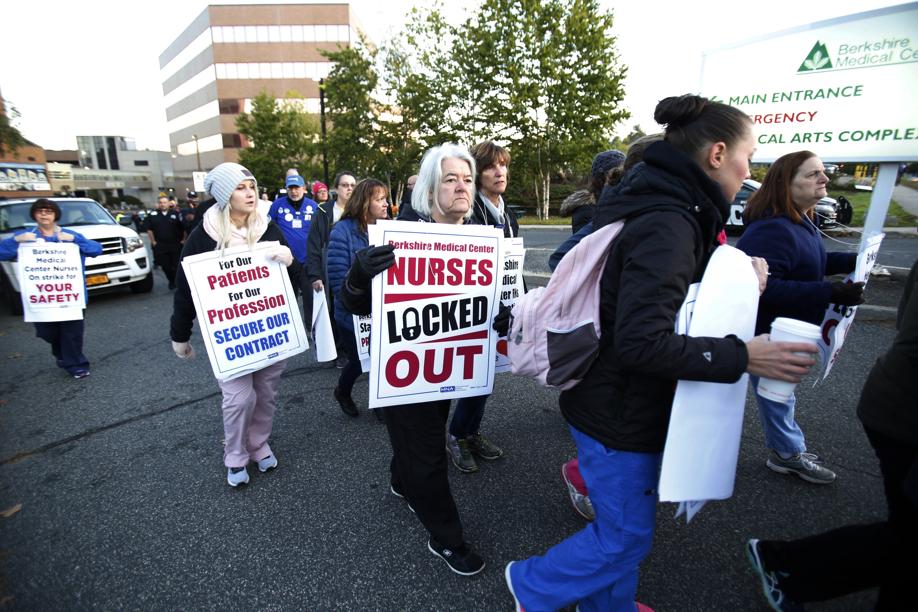
Nurses stage one-day strike at Berkshire Medical Center
Nearly 800 unionized nurses at Berkshire Medical Center in Pittsfield staged a one-day walkout Tuesday to protest what they call inadequate staffing, and were faced with a four-day lockout after management hired temporary replacement nurses. Berkshire Medical Center has not had a nurses strike since 1981. But this is the third nurses strike in Massachusetts this year. The walkout in Pittsfield follows a contentious strike at Boston’s Tufts Medical Center in July, and Baystate Franklin Medical Center in Greenfield in June. More than 200 admitted patients were at Berkshire Medical on Tuesday. Hospital officials said they were focused on patient care and were not canceling any appointments or surgeries. They have hired 247 replacement nurses from a national staffing company, US Nursing Corp. The strike is expected to cost Berkshire about $4 million. Hospital spokesman Michael Leary said there were no patient care issues after replacement nurses took over on Tuesday morning. The union is pushing a statewide ballot question to set nurse staffing standards. — PRIYANKA DAYAL MCCLUSKEY
HEALTH CARE
Lahey to lay off about 75 workers
Lahey Health System on Tuesday became the latest local hospital system to slash expenses by cutting jobs. Burlington-based Lahey said it is laying off about 75 people, or less than 1 percent of its workforce of 14,500, as part of an effort to close a budget gap. The cuts come as Lahey is pursuing a big merger with Beth Israel Deaconess Medical Center and several other hospitals. Lahey spokesman Chris Murphy said the layoffs, which will take effect later this fall, were driven by a need to “constantly look for opportunities to be more efficient.’’ “This has nothing to do with the planned affiliation,’’ he said. “It’s a challenging time for health care.’’ Most of the positions being eliminated are in administrative and management roles and do not involve workers in direct patient care, Murphy added. Employees losing their jobs will be invited to apply for other openings at Lahey, which runs hospitals in Burlington, Beverly, Gloucester, and Winchester and offers other services such as home care and behavioral health care. Lahey’s announcement follows moves by other Massachusetts hospitals to cut jobs. Brigham and Women’s Hospital in Boston offered buyouts to about 1,200 senior employees, while Southcoast Health System of New Bedford offered buyouts to 372 employees. Lahey lost $37.3 million on operations in the six-month period ending March 31. More recent figures were not immediately available, but Murphy said the system was expected to record an operating loss for the fiscal year that ended last Saturday. — PRIYANKA DAYAL MCCLUSKEY
GOVERNMENT
Five business groups file legal challenge to ballot question on tax on highest earners
Five powerful business groups on Tuesday filed a legal challenge with the state Supreme Judicial Court aimed at blocking a 2018 ballot question that would impose an added tax on the state’s highest earners. Under the union-backed ballot measure, Massachusetts residents would pay a 4 percentage point surcharge on earnings of more than $1 million a year, on top of the state’s personal income tax, currently 5.1 percent. The additional tax money — estimated at $2 billion annually — would be earmarked for spending on transportation and education. Business groups have emerged as leading opponents to the proposed surcharge, known as the Fair Share Amendment. They say it could chase away employers and undermine the progress toward making the state a more friendly place to do business. In the lawsuit, the groups focus on legal arguments that they believe show the ballot initiative is unconstitutional. First, the business groups say, the question improperly links unrelated subjects: a graduated income tax and spending on transportation and education. Second, they maintain that by dictating how extra tax revenue must be allocated, the initiative limits the Legislature’s ability to decide on spending, violating a state constitutional prohibition on making “specific appropriations’’ by initiative petition. Finally, the groups argue that initiative petitions should not be used to take taxation authority away from the Legislature. Chris Anderson, president of the Massachusetts High Technology Council, said he expects that the high court will hold oral arguments on the case by early next year, with a decision likely sometime in the spring. — JON CHESTO
FINANCIAL
State Street to pay $5m to settle wage discrimination case
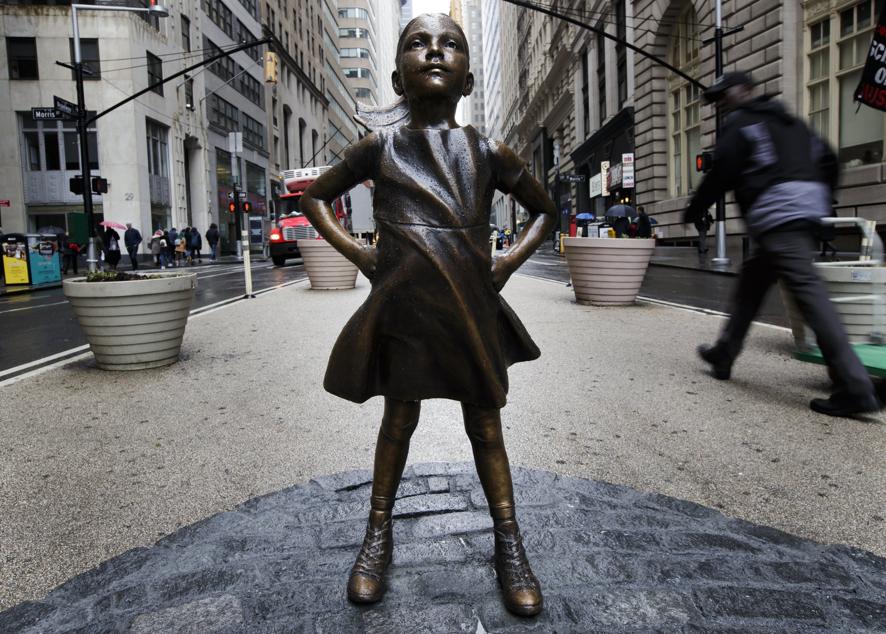
State Street Corp. has agreed to pay $5 million to resolve a federal investigation into whether it discriminated against female and black executives by paying them less than their colleagues. The settlement comes only months after the financial giant received plaudits for sponsoring the “Fearless Girl’’ statue near Wall Street in Manhattan as part of its effort to get more women placed on the boards of public companies. In March, an office within the Department of Labor found that State Street had discriminated against women at the senior vice president, managing director, and vice president levels by paying them less than men in similar positions. The agency also claims the company paid black employees less than similarly positioned white employees. The pay practices covered a two-year period and affected 305 female executives and 15 black vice presidents, the government said. They will receive a total of $4.5 million in back pay and nearly $508,000 in interest. On Thursday, State Street disputed the federal agency’s findings, but spokeswoman Julie Kane said the company decided to settle the case to bring “this six-year-old matter’’ to a resolution. Kane said the company “is committed to equal pay practices and evaluates on an ongoing basis our internal processes to be sure our compensation, hiring, and promotions programs are nondiscriminatory.’’ — JON CHESTO
ALCOHOLIC BEVERAGES
Judge upholds state’s ban on pay-to-play payments
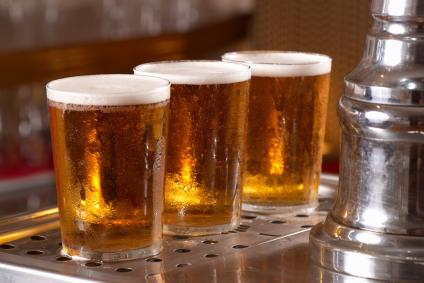
A Massachusetts judge upheld the state’s ban on so-called pay-to-play payments in the beer industry, rejecting the arguments of a craft beer distributor that had challenged the rule after getting slapped with a record fine for compensating bars to put its products on tap. The decision is a major boost to the Massachusetts Alcoholic Beverages Control Commission, or ABCC, which has had a mixed record in its three-year crackdown on illegal anti-competitive practices that pervade the state’s alcohol industry. It is also a setback for Anheuser-Busch; the beer conglomerate was not involved in the case but is facing similar charges for allegedly giving away nearly $1 million in refrigeration equipment to package stores and bars to push sales of Budweiser and other drinks while stifling those of other brewers. With the ruling, a number of potential legal avenues for escaping those charges have been closed off. The case decided on Monday revolved around Everett-based distributor Craft Brewers Guild. In 2015, state investigators acting on a tip found that it had paid at least $120,000 over two years to bars that put its brews on tap and froze out those sold by competing distributors. Invoices showed the distributor had disguised the payments using code phrases such as “menu programming’’ for fictitious services. The ABCC’s three commissioners later affirmed the findings and imposed a 90-day license suspension. Rather than shut down for several months, Craft Brewers Guild opted to pay a $2.6 million fine, the largest in the ABCC’s history. Craft Brewers Guild filed a lawsuit in March 2016, contesting the fine on technical grounds. In particular, the distributor argued that the regulation prohibiting pay-to-play was rendered invalid decades ago when the Legislature repealed a law that had banned most discounts on wholesale beer purchases by retailers. — DAN ADAMS

